Online Reporter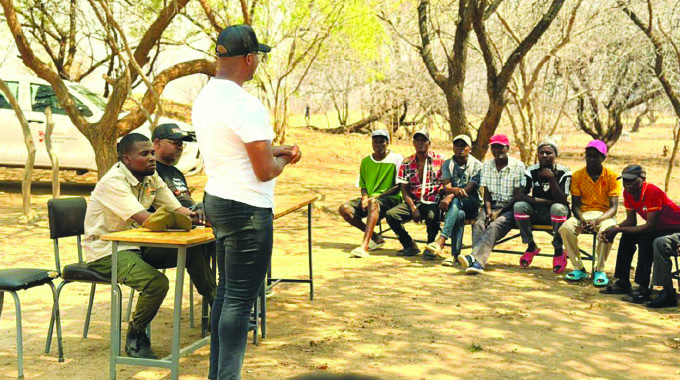
Dumisani Chihoto
A QUIET revolution is unfolding in the Zambezi Valley, where the rugged beauty of Matusadona National Park meets the enduring spirit of local rural communities. Through its community-based conservation initiatives, Wildlife Conservation Action (WCA) has been collaborating directly with farmers across Nyaminyami’s wards to address the persistent issue of Human-Wildlife Conflict (HWC).
The results, as highlighted in recent stakeholder meetings held throughout the district, have proven transformative. WCA’s approach is centred not just on protecting wildlife, but on empowering the local populace and fostering sustainable coexistence between them and the natural environment.
For years, farmers living adjacent to Matusadona National Park bore the brunt of wildlife incursions — lions and hyenas preying on livestock, elephants trampling crops, and communities left grappling with economic losses and emotional strain.
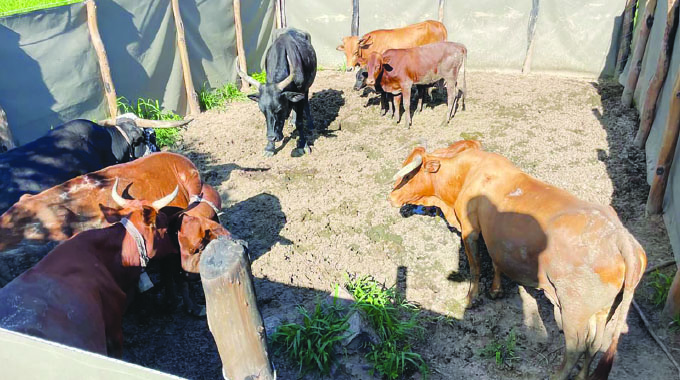
However, through a series of strategic interventions, WCA has introduced practical solutions that are reshaping the relationship between people and wildlife. Chief among these are predator-proof mobile bomas and raised livestock kraals, which have emerged as cornerstones of success.
Mobile bomas — circular, predator-proof livestock enclosures made from canvas or polyvinyl chloride (PVC) — have proven highly effective in deterring predators. Beyond protection, they offer an unexpected agricultural benefit: the collection of livestock manure within the enclosure has led to improved soil fertility, boosting crop yields and revitalising degraded fields.
Mr Simon Kazemba of Ward 9, under Chief Musambakaruna, testified to this dual impact.
“Before WCA came, I would lose cattle every season. But since installing a mobile boma, my livestock is safe. What’s more, the manure collected has helped me revive my fields — my maize yield has doubled.
It’s like the land is breathing again.”
Raised livestock kraals — elevated platforms designed to house goats and sheep — have also become a symbol of resilience. Canani Kajumbwe, a farmer from a neighbouring ward, shared his journey from loss to abundance.
“I lost nearly 40 goats to predators. Today, I have 80 goats. Raised kraals have changed everything. I sleep peacefully knowing my animals are safe.”
These structures not only prevent predation but also improve hygiene and reduce disease transmission among livestock, further enhancing productivity.
Wildlife Conservation Action’s efforts extend beyond physical infrastructure. Recognising the need for sustainable livelihoods and innovative conflict mitigation, the organisation has introduced beekeeping as a community enterprise. Elephants, known for their destructive crop raids, are naturally deterred by bees. By placing hives along field perimeters, farmers are not only protecting their crops but also harvesting honey for income.
“Beekeeping is more than honey. It’s a shield against crop destruction and a source of income. Communities are learning to live with wildlife, not against it,” said Farai Nhekairo, WCA’s Climate Smart and Livelihoods Officer.
Yet, amid these successes, one plea remains consistent across all wards — access to water. The call for boreholes, irrigation systems, and reliable water sources reverberates through every community meeting.
Farmers and elders alike have voiced the urgent need for water to sustain agriculture, livestock and daily life.
“Without water, all these gains are at risk. We need water to grow, to feed and to survive,” said one village elder.
Wildlife Conservation Action’s approach — blending indigenous knowledge, scientific expertise and community empowerment — is fast becoming a model for conservation across Zimbabwe. Their work in Nyaminyami District exemplifies how community-led conservation can restore harmony between humans and wildlife. As the sun sets over Lake Kariba and the hills of Matusadona, the voices of farmers echo with hope — not just for their herds and harvests, but for a future where coexistence is not a dream, but a reality.