mbulelo smpofu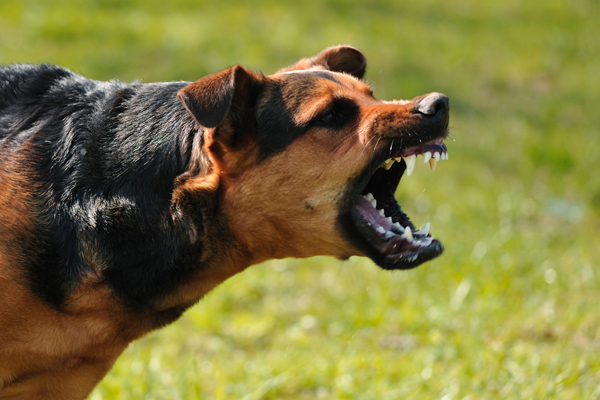
Dogs can bring companionship, enjoyment and plenty of energy into a household, but ownership also comes with responsibility. Part of that responsibility is understanding how dogs communicate and creating situations in which both animals and people can interact safely. Dog bites can have serious consequences, yet owners can take practical steps to reduce avoidable risks.
Responsible ownership begins with meeting a dog’s everyday needs. Suitable food, a secure lead, enrichment toys and other essentials can all contribute to a well-managed routine. Someone searching online for a pet shop near me may be looking for these basics and specific products for their dog.
Learn to recognise canine body language
Dogs cannot verbally tell people that they are frightened, uncomfortable or need more space. Instead, they communicate through posture, movement, facial expressions and behaviour.
Warning signs are not limited to growling or barking. A dog experiencing discomfort may turn its head away, repeatedly lick its lips, become unusually still, tuck its tail or attempt to leave. Behaviour varies between individual dogs, so owners should learn their own pet’s normal signals.
A growl should be taken seriously rather than treated simply as bad behaviour. It can communicate discomfort and provide an opportunity to increase distance before a situation escalates.
Understanding these signals helps owners recognise when an interaction should end rather than waiting for a more obvious reaction. The scale of the issue makes awareness particularly valuable. Reports about how dogs bite millions of people each year demonstrate why owners and non-owners alike can benefit from learning how to behave safely around dogs.
Make training part of everyday life
Consistent training can make daily situations easier to manage. Useful behaviours such as coming when called, walking calmly on a lead and responding to simple cues can give owners greater control in busy environments.
Reward-based methods can encourage desired behaviour while helping dogs understand what is expected. Training does not have to happen only during formal sessions. Short exercises can be incorporated into walks, feeding routines and play.
Socialisation is important too, particularly during a dog’s early development. However, good socialisation is not about forcing a dog to interact with as many people or animals as possible. Experiences should be controlled and appropriate, with attention paid to the dog’s comfort.
Owners experiencing behavioural difficulties should consider seeking help from a suitably qualified professional.
Supervise interactions between dogs and children
Children may unintentionally behave in ways that dogs find uncomfortable. Hugging tightly, climbing on a dog, disturbing it while sleeping or taking away food can create unnecessary risk.
Young children and dogs should therefore be actively supervised when together. Adults can teach children to interact calmly and respectfully, while dogs should have access to a quiet space where they can retreat without being followed.
Children should also learn not to approach unfamiliar dogs without permission from the owner. Even a friendly-looking animal may be nervous, injured or uncomfortable with strangers.
Give dogs appropriate exercise and stimulation
Dogs need suitable outlets for physical and mental activity. The amount and type required vary according to age, health, breed and temperament.
Regular walks, sniffing opportunities, appropriate play and enrichment activities can help create a balanced routine. Owners should also provide sufficient opportunities for rest, since constant activity and interaction are not appropriate for every dog.
Management remains essential outside the home. Leads, secure fencing and other appropriate measures can help prevent uncontrolled encounters with strangers or animals.
Safer interactions start with responsible owners
No single measure can guarantee that a dog will never bite. Animals can react unpredictably when frightened, injured, threatened or placed under extreme stress, and individual behaviour varies considerably.
Responsible owners can nevertheless reduce risk by combining good management with training, appropriate socialisation and careful observation. Regular veterinary care matters as well, because pain or illness can sometimes contribute to changes in behaviour.
Most importantly, owners should respect what their dogs communicate. Recognising discomfort early, providing space when needed and supervising potentially difficult situations can make everyday interactions safer.
A well-cared-for dog needs more than food and exercise. Understanding behaviour and taking responsibility for how a dog interacts with the world are essential parts of creating a safer environment for animals, owners and the wider community.



 Online Reporter