Online Reporter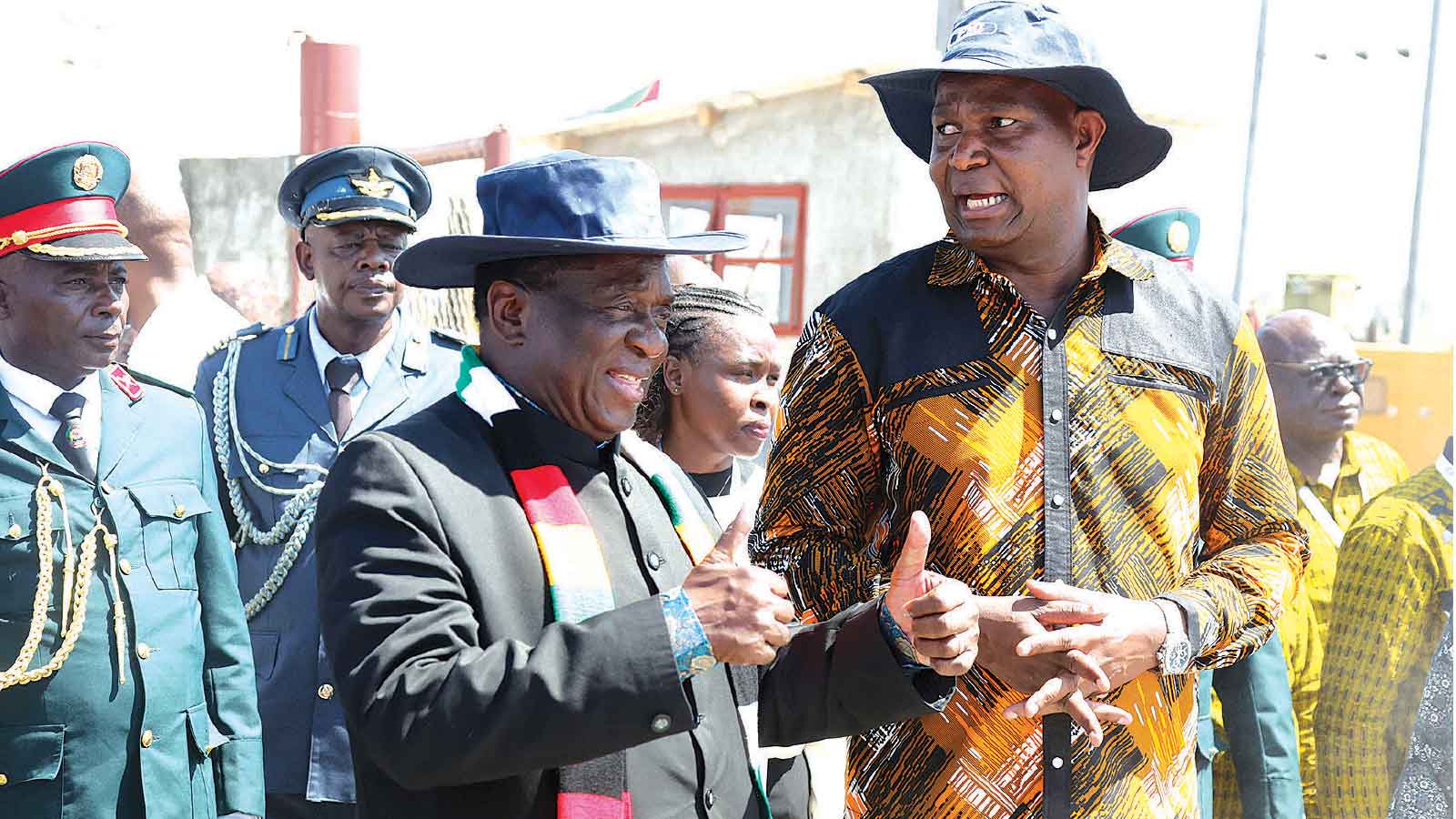
Zvamaida Murwira in NHAMATANDA, Mozambique
THE Beira-Feruka pipeline capacity expansion project, being undertaken jointly by Zimbabwe and Mozambique, will boost storage capacity and create a fuel buffer to cushion the Southern African Development Community region against geopolitical-induced fuel supply chain disruptions, Energy and Power Development Minister July Moyo has said.
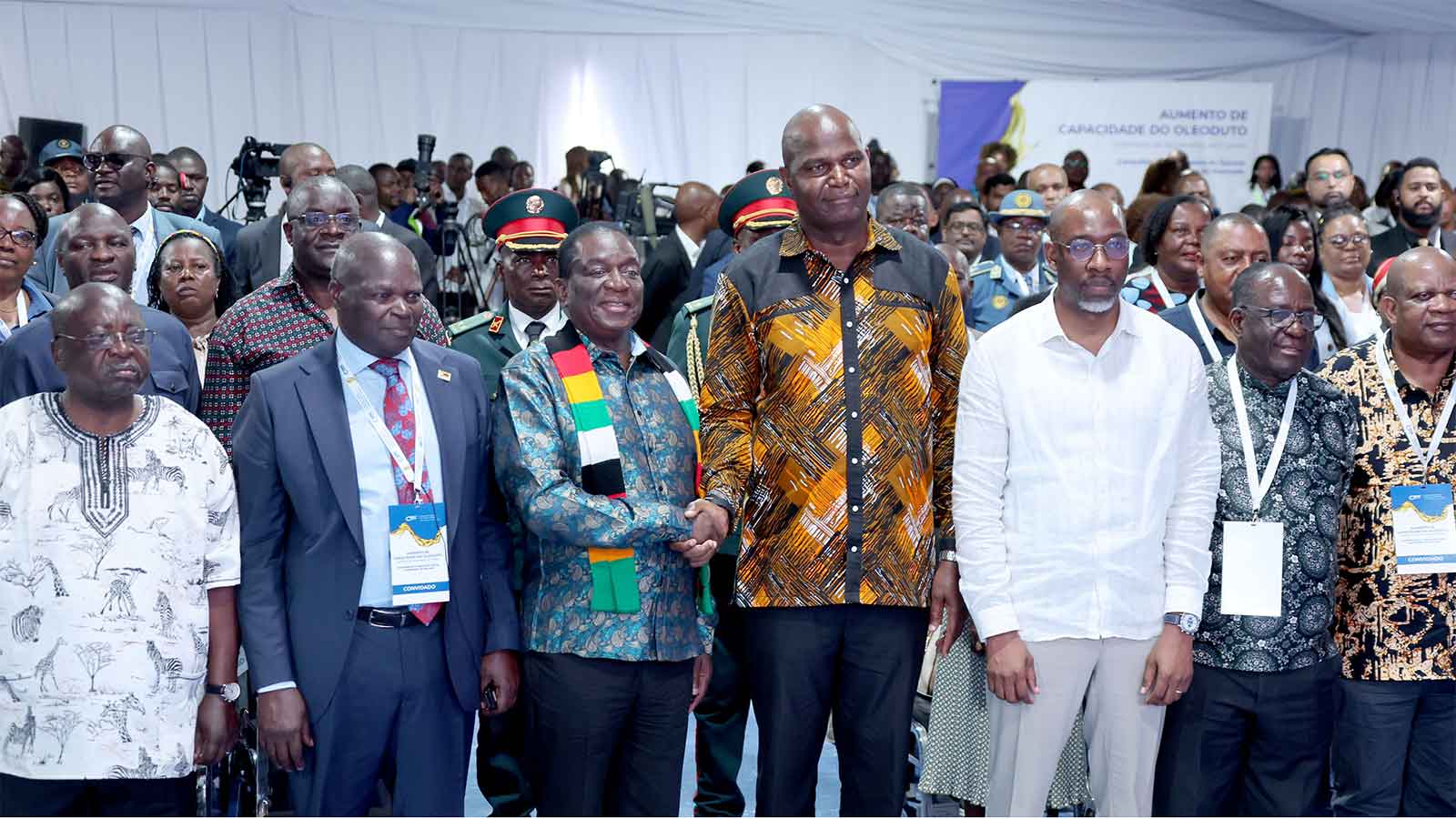
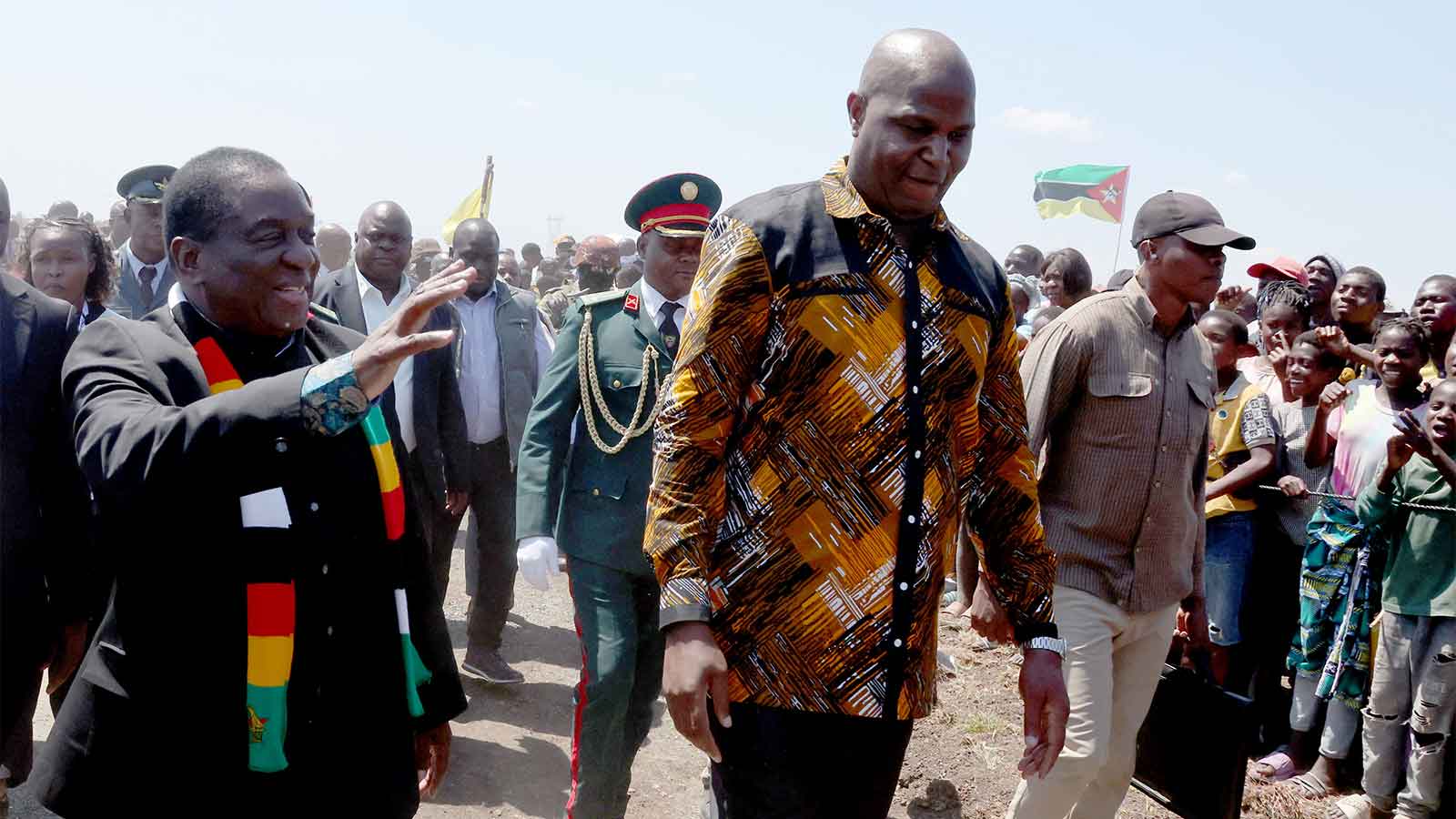
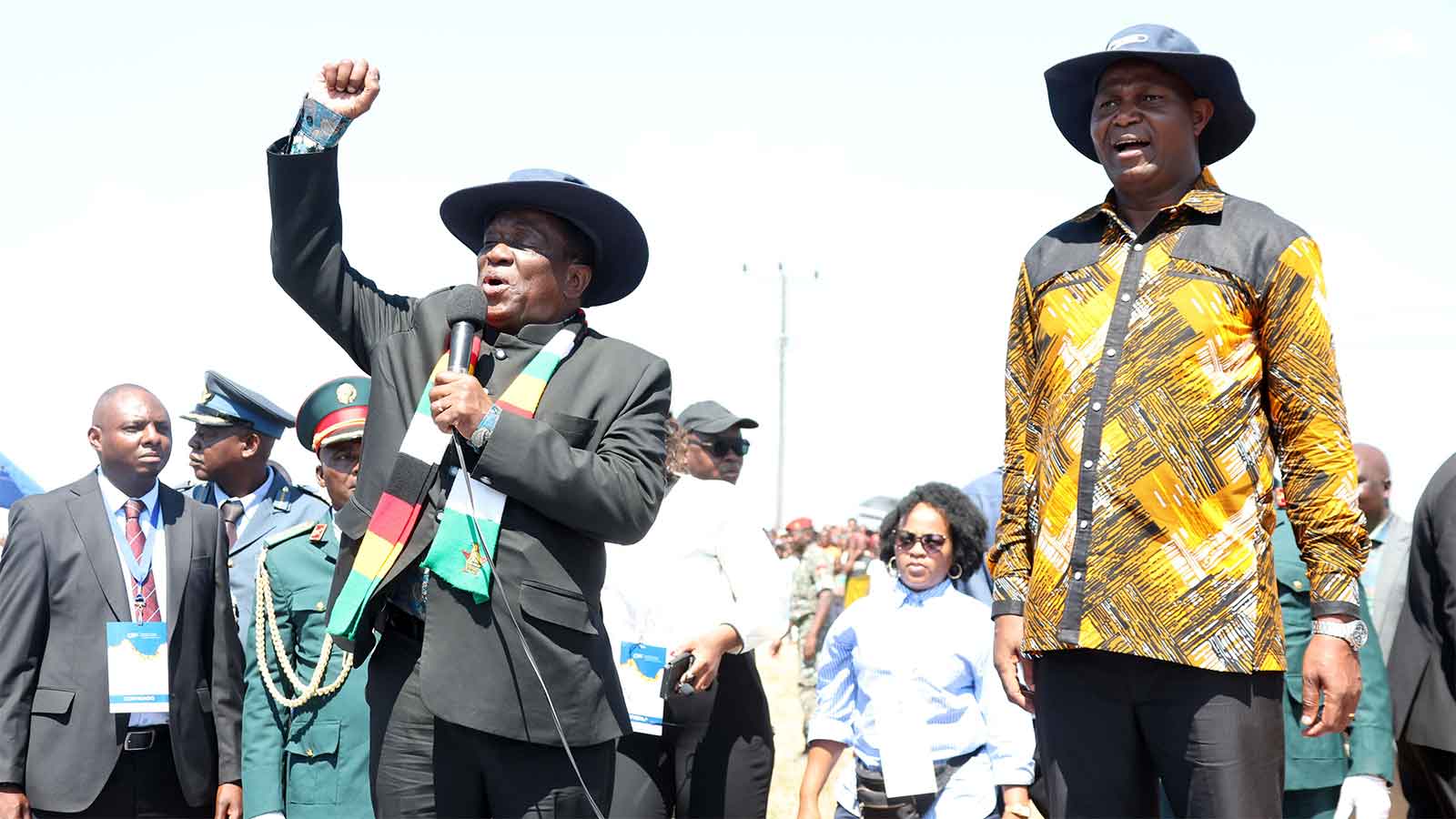
Speaking on the sidelines of a groundbreaking ceremony in Nhamatanda on Wednesday, where President Mnangagwa joined his Mozambican counterpart, President Daniel Chapo, in laying the first stone for the upgrade works, Minister Moyo said the bilateral synergy marked a crucial shift from mere cooperation to integrated regional infrastructure development.
The project will see pumping capacity rise from three million to five million cubic meters per year by the end of 2027.
Minister Moyo said by removing traditional road-based fuel transit challenges, the expanded pipeline would position Mozambique and Zimbabwe as the primary energy transit backbone for landlocked SADC economies.
“Our growing economy in Zimbabwe requires much more than what we are currently transporting to come into Zimbabwe. So we are upgrading this from 3 million to 5 million cubic meters, and this additional 2 million is significant because we have also been given a storage area,” said Minister Moyo.
“Yesterday, we were shown where we can build our tanks. So we will have tanks here in Beira, just as we have tanks in Zimbabwe, both at Feruka and in Harare.
“That type of planning gives us security of supply, so that if there are shocks like the shocks we are having because of the Strait of Hormuz, we can say we have fuel which is already in our tanks in Beira, and we have fuel that is in our tanks in Feruka and in Harare. But all that depends on pumping, which we are addressing. So there is a lot of development that is beneficial to Zimbabwe.”
In recent years, Zimbabwe and the SADC region experienced subdued fuel supply, which pushed up the pump price of petroleum products and led to a spiral in transport costs and other related services. Government had to introduce a cocktail of measures, including the removal of taxes, to cushion ordinary citizens.
Minister Moyo described the Beira-Feruka pipeline as critical to the provision of energy security.
“The Port of Beira is our lifeblood for energy, especially in the petroleum products area. This is where we transport over 90 percent of our fuel and most of that is coming through the pipeline,” he said.
While there was some use of trucks and rail in transporting fuel, Minister Moyo said pipeline service remained the best option.
“As a country, we discourage trucking, especially from Beira, because we have not yet exhausted the capacity of the pipeline. So one would ask, ‘If you have not exhausted, why are you upgrading?’ We have actually this month reached the absolute capacity that exists,” he said.
Minister Moyo said the expansion would go a long way in assisting other neighbouring countries such as Zambia, Malawi, Botswana and the Democratic Republic of Congo.
“Last week, most of the fuel that was pumped into Zimbabwe, 22 percent went into other countries. So there is also increased demand from Malawi, from Zambia, from DRC, and they are picking the fuel from our tanks in Zimbabwe. It has to be pumped, and not just for Zimbabwe, but for the entire land,” he said.
Minister Moyo added that plans are on course to have a pipeline extending to neighbouring countries.
The upgrade, when completed, will result in pumping capacity rising by 67 percent by the end of next year. The expansion will synchronise with the PetroZim Line to reinforce fuel supply and energy security across Mozambique.
Construction of two new pumping stations in Nhamatanda, Sofala province, and Messica in Manica province will increase the Beira-Feruka pipeline’s annual transport capacity, helping to meet rising demand for diesel, petrol and jet fuel across the region.
The 294-kilometre Beira-Feruka pipeline is a critical component of the Beira Corridor, connecting the Port of Beira with Zimbabwe and the wider Southern African hinterland.
The project also highlights the strong bilateral relationship between the two countries and their shared commitment to developing strategic regional energy infrastructure.
Established in 1982, the Companhia do Pipeline Moçambique-Zimbabwe operates under a public-private governance model, bringing together the Mozambican State and private investors.
The company operates 24 hours a day, 365 days a year, manned by a team of experts.
The expansion represents an investment in regional energy security, trade, logistics and economic growth, while further strengthening the strategic role of the Port of Beira and the Beira Corridor.