Sundaymail Editor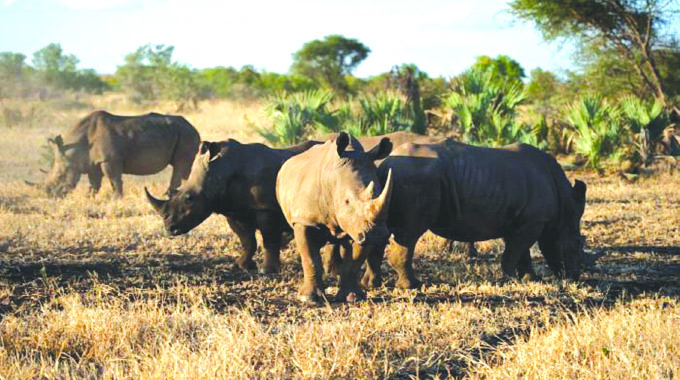
Of the many knock-on effects of the pandemic, one has been the compulsory deferral of university studies by thousands of young people.
Christopher Wilmot-Sitwell and Henrietta Loyd, of UK-based travel company Cazenove + Loyd, have responded to this phenomenon with a series of philanthropic opportunities for next-gen travellers keen to effect good change in the world while also seeing a bit of it.
The trips — more like internship placements, with just one or two places available and lasting from roughly three weeks to three months — centre, for now, around southern Africa and South America.
In Zambia’s South Luangwa and in Zimbabwe, C+L has partnered with Tusk Trust to give clients active placements in handpicked conservation projects — working (really working) alongside leading conservationists in wildlife management exercises and human-wildlife conflict-reduction initiatives.
In Peru, they have aligned with the Sacred Valley-based Sol Y Luna Foundation to put clients face-front in the Sol Y Luna school, where they can gain teaching and educational-administration experience.
A substantial donation to the visited project is part of the trip fee (nice feel good factor for the parents); the posting is made less-than-hardship with accommodation in comfortable, cool local lodges and haciendas . . .
African adventures with impact
Roar Africa’s Deborah Calmeyer has made her company’s name with wow-factor safaris and continental explorations that put changemakers into direct contact with the causes that most need support.
In in 2019, for example, she originated a women’s-empowerment retreat series that has helped move gender equity front and centre in the African conservation-travel discourse.
Calmeyer has just debuted another
first: Roar’s partnership with Proof of Impact, whose pioneering technology verifies
and quantifies conservation travel’s impact on the environment and local communities, from carbon offsets to forest reduction and beyond.
Via an interactive app, Roar clients can track the real-time benefits of their travels.
And they can visit the projects they are supporting, from the forests preserved or replanted by carbon credits, to the solar projects that have replaced coal use, to clean-water initiatives and infrastructure such as bridges. — Financial Times.



 Online Reporter