


 Online Reporter
IN Zimbabwe, a small business offers an important viable route to economic self-reliance.
One such opportunity lies in skincare — an industry that merges science, culture and vanity into a tangible product.
But what does it really cost to get started?
First, there is the chemistry.
Formulating lotions, oils or soaps begins with a basic understanding of emulsification and preservation — skills often gained through short courses.
Institutions like the Harare Institute of Technology and Harare Polytechnic offer introductory cosmetic formulation programmes, typically costing US$150 to US$300.
Alternatively, YouTube and WhatsApp groups, as well as workshops run by local formulators, provide budget-friendly entry points.
Then comes raw material sourcing.
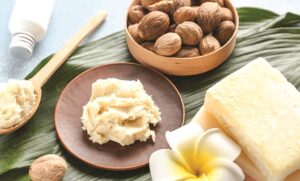
For natural-focused brands, key ingredients include shea butter (US$6 per kg), essential oils (US$3 to US$10 for 100ml), beeswax (US$5 to $8 per kg) and emulsifiers (US$10 to $15 per kg).
A basic inventory for small-batch production may cost US$300 to US$500.
Packaging is another high-ticket item.
With local customers drawn to sleek branding, sourcing suitable bottles and jars is both a cost and logistical challenge.
Local suppliers in Msasa or South Africa-based importers typically charge 40 US cents to US$1,50 per unit, depending on size and design.
A starting batch of 300 to 500 units could easily cost US$300 to US$700.
Add to that registration and compliance costs.
The Medicines Control Authority of Zimbabwe regulates cosmetic products. It requires product safety data, labelling compliance and premises inspection.
Formal product registration may cost US$150 to US$250 per item.
A registered business (US$30 to US$100) is a must if you want shelf space in supermarkets or pharmacies.
In total, a lean startup could operate on US$1 200 to US$2 000.
That covers training, ingredients, packaging, basic branding and small-scale compliance.
For many, production starts in
home kitchens, later expanding to rented workspaces (US$100 to US$250 per month).
The final hurdle? Distribution.
Without big marketing budgets, most entrepreneurs rely on social media, word of mouth and small pop-up events.
WhatsApp Business and Instagram remain key channels for building clientele.
For local youth — particularly women — the skincare industry presents more than creams and cleansers.
It is chemistry, creativity and commerce, bottled and sold in a country hungry for local innovation.
But scaling will require more than passion — it will take financing, regulation reform and market access beyond friends and family. — Compiled by Tawanda Musarurwa



 Bongani Ndlovu
 Online Reporter