admin
admin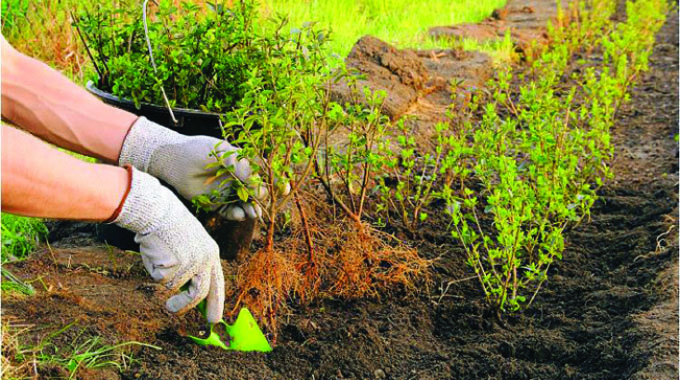
What is a garden without a hedge?
Almost like a summer without any sun!
Hedges provide a natural fence, offering privacy and protection against the elements, and giving birds a safe place to hide out between the leaves.
Not all hedges are created equal.
When deciding which one to plant in your garden, you need to ask yourself what’s important to you and when you want to plant your hedge.
Do you want a hedge that’s easy to maintain? Then you are best off choosing a non-deciduous (evergreen) variety like privet or yew.
Deciduous hedges lose their leaves when it gets cold and generally require more upkeep.
If you want a high hedge, your best bet is Thuja (Arborvitae) or cherry laurel.
Hornbeams also grow tall very quickly.
Or if you prefer a lower but denser hedge, box (Buxus) is just the thing.
Meanwhile, rhododendron might be right if you’re looking to add a splash of colour to your garden and you are not afraid of the extra work involved.
Depending on the type, the greenery will transform into a white, pink or lilac sea of flowers in the first rays of sunshine.
Planting a hedge is easier than you think. But to help it bloom and grow, you need to plant it at the right time of year – which depends on the type of plant you’ve chosen. In general, mild spring weather or the start of summer are best.
Hedges that are sensitive to the cold, such as cherry laurel or yew, should be planted in the spring.
This will give them until the winter to grow and allow them to survive the cold.
How to plant hedges
Young hedge plants are positioned in the soil, With the right preparation and care, your hedge will soon be thriving.
Step 1: Prepare the soil for planting
You can skip your arm workout today – digging up the soil for your hedge will be more than enough exertion!
The depth and breadth of the ditch you dig should be based on the roots of your plant, that is, it should be around 1,5 times bigger than the roots.
To ensure the hedge grows straight, put a piece of string around the area you want to dig up. To make your hedge as thick and dense as possible, it’s best to plant three to four plants per metre.
Step 2: Give your plants a new home
Once you’ve finished digging your ditch and have loosened up the earth, it’s time to put your plants in the soil. They will probably come in either burlap cloth (to protect the roots) or in a plastic container. If burlap cloth is wrapped around the roots, you can leave the plants in it when you insert them into the ditch. Then untie the cloth, fold down the sides and bury it in the soil. To prevent the root balls from falling apart, the plants should not be moved again.
Step 3: It’s spray time!
A new hedge is watered with a watering can. Water is the source of life – and that goes for hedges, too.
Once you have planted your hedge, you need to take good care of it. If you want a beautiful hedge, you need to be attentive. This means one thing above all: watering it. To begin with, every three to four days is a good rule of thumb. Over time, you can probably increase the periods between watering. Your plants should get 10 litres of water for every metre in height. Of course, the exact amount of water they need also depends on the soil and type of plant – but this rule will enable you to make a rough estimate. So, if your hedge plants are half a metre high, approx. five litres of water per plant should suffice. For older hedges, regular watering is no longer necessary because of their deep roots, and you should only need to water them during long dry spells. If you can get in the habit of watering your hedge in the morning, you’ll be doing both yourself and your plants a favour.
Step 4: Fertilise your hedge
You can help your hedge to grow by fertilising it in the spring.
In most cases, it’s enough to add a little mature compost at the foot of the plant. Simply sprinkle it on the soil and rake it a little. For deciduous hedges and those with rotting leaves, such as privet, you can also use the leftover foliage and branches from trimming as fertiliser. After trimming, simply rake a little foliage into the soil beneath the hedge.
Step 5: Trim your hedge like a pro
A hedge is a bit like human hair: to help it grow and look good, you need to cut it from time to time. Depending on the condition and age of your hedge, it may be a question of simple maintenance or shaping, or moderate to radical pruning. Whatever your aim, it’s easiest with a pair of electric hedgecutters. For each cutting technique you want to try, you should select the appropriate teeth spacing (the distance between the individual teeth on the cutter blade).– Bosch-DIY.com



 Online Reporter