Sundaymail Editor
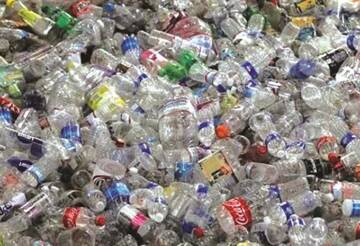
AS in many countries across the globe, plastic waste is piling up in Zimbabwe, sometimes overwhelming landfills.
Yet, for entrepreneurs, this growing environmental crisis presents a business opportunity: small-scale plastic recycling. Done right, it can turn discarded bottles and bags into usable products while generating income.
But what does it take to get started?
Startup costs
A small plastic recycling business requires capital for equipment, space, labour and licensing.
Here is a breakdown of the key expenses:
Shredder and granulator — These machines process plastic waste into smaller, reusable pieces.
A basic setup costs between US$3 000 and US$10 000, depending on size and capacity.
Extruder (optional but useful) — If producing pellets for resale, an extruder is needed.
Entry-level models start at US$5 000.
Collection and sorting — Bins, sacks and a small storage facility will be necessary, costing at least US$1 500.
Workforce — Hiring three to five workers for sorting and machine operation costs US$300 to US$600 per month in wages.
Electricity and water — Machinery needs a stable power supply. Depending on location, monthly electricity bills can range from US$200 to US$500.
If power cuts are frequent, a generator (US$1 500+) is essential.
Licensing and compliance — The Environmental Management Agency (EMA) requires permits, which cost about US$500.
With a steady supply of waste and a functioning processing line, a small recycler can generate
US$2 000 to US$5 000 per month in revenue.
Health and safety certifications add another US$300. A basic operation, with second-hand equipment, can start at US$7 000 to US$10 000.
A more advanced setup with an extruder and of larger capacity may exceed US$20 000.
Regulatory requirements
Zimbabwe’s recycling sector is regulated by EMA, local authorities and the Standards Association of Zimbabwe.
Key requirements include:
Environmental impact assessment — Mandatory for larger operations, costing around US$2 000.
Business registration — Registering as a private limited company or cooperative costs US$100 to US$200.
Health and safety compliance — Required for employee welfare, with inspection fees of around US$200.
Profit potential
Processed plastic sells for US$0,30 to US$0,70 per kilogramme.
With a steady supply of waste and a functioning processing line, a small recycler can generate US$2 000 to US$5 000 per month in revenue.
Zimbabwe’s plastic problem is significant, but so is the potential for solutions.
With the right planning, a small recycling business can be both profitable and impactful.



 Online Reporter