

 dyton mupawaenda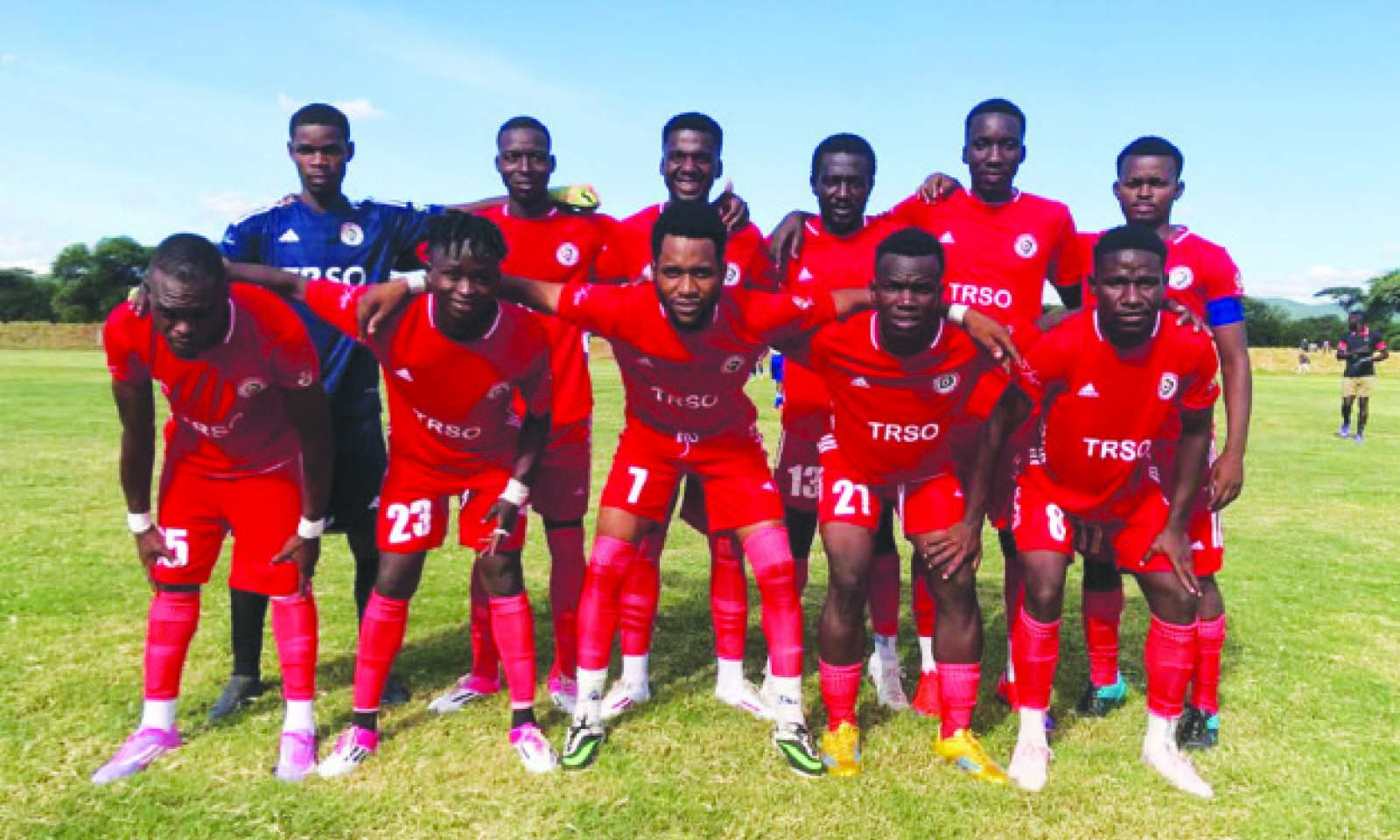
Tadious Manyepo recently in Chipinge
IN the quiet of a dusty Chipinge afternoon, a soft thud echoes across the dry earth, the sound of a ball meeting a barefoot strike.
It’s a rhythm that cuts through silence, through loss, through memory. And at the centre of it all is Methode Barantikje, a spirited 24-year-old whose journey from war-torn Burundi to the green pitches of the Zimbabwean lower leagues tells a story far greater than just football.
Back home in eastern Burundi, Barantikje was a boy with a dream. He clutched a plastic football like a talisman, mimicking the moves of Burundian great Juma Mossi.
He had even joined a semi-professional academy, his path seemingly charted toward stardom.
But then, one ordinary night turned into catastrophe.
“Everything changed so quickly,” he recalls, his voice laced with the echoes of trauma.
“Armed men attacked our village. It was destroyed in a matter of hours. We fled, my whole family, first the village, then the country.”
Thousands of kilometres later, the Barantikjes found a new beginning at Tongogara Refugee Settlement in Zimbabwe, home to over 16 000 displaced people from across Africa. The dream of professional football seemed like a distant relic of a happier past. But life, like sport, can offer unlikely second chances.
Now, Barantikje captains Tongogara United, a historic football team formed entirely by refugees, and the first of its kind in Africa to compete in a national league, the ZIFA Eastern Region Division One.
“Playing for Tongogara United has reignited something in me,” he says, eyes bright.
“I used to dabble in photography when I gave up on football, but now I can do both. I can dream again.”
The creation of Tongogara United was inspired by Zimbabwe’s bold commitment made at the 2019 Global Refugee Forum in Geneva, to include refugees and asylum seekers in national cultural and sports activities. In the dusty fields of Chipinge, that promise is now fully alive.
“This team is not just about football,” says Johanne Mhlanga, administrator of the Tongogara Refugee Settlement.
“It’s about dignity. It’s about showing that refugees are more than aid recipients they are capable, talented, and resilient.”
Mhlanga beams with pride when speaking about what the team represents.
“Zimbabwe’s refugee integration model is now being seen as a benchmark in Africa. While there are many refugee football teams on the continent, none have reached this competitive level. It’s a triumph of inclusion.”
Tshipamba Babadi, a midfield dynamo originally from the Democratic Republic of Congo, could have been lost to the game if not for this second chance.
“I was discovered by coach Lloyd Mutasa in 2017 when I was playing in a refugee gala,” Babadi says.
“He was coaching Dynamos then and called me to join. But I didn’t have the paperwork.”
The heartbreak of missing out on top-flight football was immense. Still, Babadi persisted, later featuring for Mutare City and then GreenFuel, helping them earn promotion to the Premier Soccer League.
“Now, I’m back where it started, but this time in a structured, competitive setup with people who understand my story. We want to take Tongogara United to the Premier League. That’s our dream.”
His father Alphonso watches from the sidelines at every home match played at Ratings Stadium in Middle Sabi, a proud tear never far from his eye.
“When we fled the DRC in 2008, I thought my son’s football dreams were over. But Zimbabwe has given us more than just shelter. It has given us purpose. This team has brought our community to life.”
Coach Valentine Mukwashi, a seasoned tactician with stints across Zimbabwean clubs, says leading Tongogara United has been his most profound coaching experience yet.
“This team is a cultural mosaic,” he says.
“We have players from Burundi, Rwanda, DRC, South Sudan, and local Zimbabwean communities. I’m learning new languages, new customs, new ways of thinking.”
In his dressing room, stories of flight and survival mix with tactics and strategy. And on the field, players express themselves with the universal language of football.
One of those players is Ray Gonora, from the local community bordering the settlement. For him, being part of Tongogara United is both a sporting and a social revolution.
“This club has broken down every wall,” he says. “We sing in Swahili, French, Shona, everyone is represented. Football has united the refugees and the host community like never before.”
Gonora isn’t exaggerating. On match days, Ratings Stadium becomes a tapestry of colours, languages, and chants. The crowd isn’t just watching football; they’re celebrating what it means to belong.
Remarkably, Tongogara United is largely self-sustaining, with financial backing from refugee businesspeople both within the settlement and in Zimbabwean cities, and even the diaspora.
Players also take part in income generating projects such as irrigation schemes and small enterprises, balancing training with work that supports their team and their families.
But the road is still steep.
“We’re doing the best with what we have,” admits Mhlanga.
“But resources are limited. We need sponsors, well-wishers, corporate partners, anyone who believes in what this team represents.”
He’s quick to clarify that supporting Tongogara United isn’t charity, it’s investment in an incredible story of resilience.
“When you back this team, you’re helping to build bridges, not walls. You’re saying to refugees: we see you. We believe in you.”
Tongogara United’s success has sparked renewed interest in sport across the settlement. Judokas and karatekas from the camp have also made national headlines, with some competing in prestigious tournaments like the Japanese Ambassador’s Cup.
Yet it’s the footballers who’ve become the standard-bearers of this extraordinary movement. Although legal restrictions prevent them from representing their countries of origin internationally unless they denounce their refugee status, few are concerned.
“This moment is more than enough,” Barantikje says.
“We may not have flags or anthems, but we have something stronger, the love of the game, the unity it brings, and the hope it plants.”
Indeed, in a time when the global refugee crisis often conjures images of despair, Tongogara United tells a different story.
A story of dusty pitches turned into stages of redemption. Of players without a country becoming heroes to thousands. Of football, simple, beautiful football, becoming a passport to dignity.


 Bongani Ndlovu
 Online Reporter