admin
admin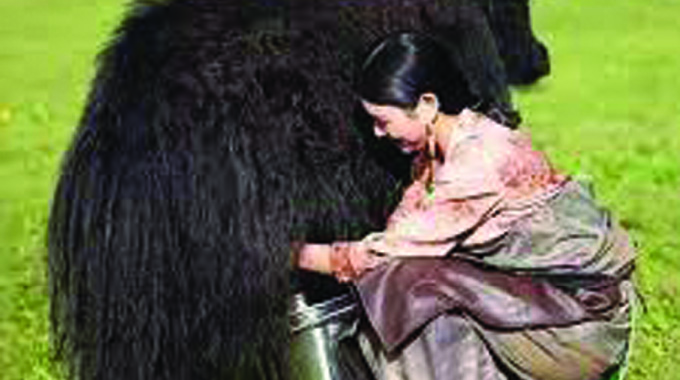
Ms G
Do you know how much a bottle of 210ml yak milk is? In northwest China’s Qinghai Province, it used to be no more than five yuan (70 US cents). Today, it can fetch 25 yuan (US$4), thanks to a scheme initiated by the local government to upgrade the value chain.
In Xinghai, a small town on pastureland, local herders have been raising yaks for years for its meat and milk. But the milk, for reasons of limited output and tough requirements in storage and transportation, was only for the consumption of the herding families themselves, leaving city dwellers in great jealousy.
The herders were suffering too, because they could not make enough money from their products and had to move into the cities for menial jobs.
The gap and potential was timely discovered by the local government. It leapt into action by establishing multiple milk collection centres across the town, paying for the equipment and staff salaries from a special fund for poverty reduction. This first step has greatly increased the sales of yak milk, bringing the annual sales revenue to nearly five million yuan (US$800 000).
The local government then brought in a private company under a “government-business-cooperative” tripartite model to enhance capacity in collection, storage, transportation and processing.
Keenly aware of the importance of building brand credibility from the very beginning, the various stakeholders agreed on using the best technologies and equipment available to ensure excellent and reliable quality.
For example, yak milk is only accepted by selected centres after checks by a modern machine that can detect and quantify 11 nutrients.
With good products and delivering capacity ready, the local government moved to establish partnerships with e-commerce platforms. This was supported by a programme of the central government to bring e-commerce services to rural areas, which identified Xinghai as demonstration project.
Under the programme, the logistical arm of the provincial daily newspaper provided services in logistics, training, standardisation, and marketing.
It helped the town build distribution centres at various levels, register trademarks, and design packaging. Drawing on its strength as a government-owned media entity, the company promoted Xinghai’s yak milk products to the e-commerce branches of media agencies across the country, found agents and dealers in faraway parts of the country, and brought the products to China’s leading e-commerce platforms.
To open up market access, local government officials personally joined online streaming sessions to introduce the products to viewers from across China; top social media influencers werealso enlisted to help with the bid.
A demo store was set up in the capital city of the province where customers could see for themselves how yak milk was sterilised and packaged and had a sip right afterwards. On display in the store were also other products from Xinghai, such as berries, mushroom, oilseeds, and medicinal herbs.
Thanks to this multi-pronged approach, Xinghai sold more than nine million RMB (nearly US$1,5 million) of agricultural and animal products in 2019.
Yak milk alone has raised annual incomes per person by 10 000 yuan on average (more than US$1 500). The story of Xinghai shows how natural resources can be translated into hard currency when government and the private sector think and act in unity.


 Online Reporter