Vusumuzi Dube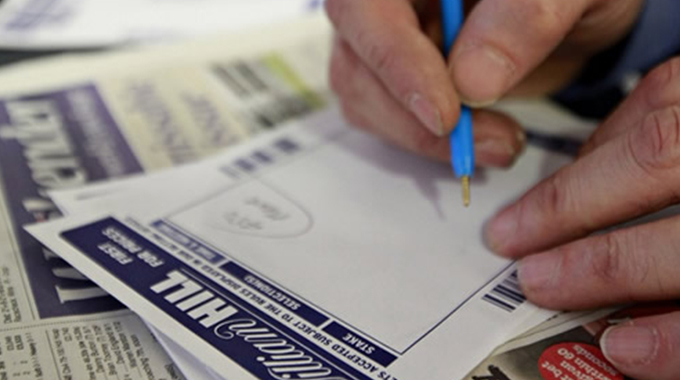
Zimbabwe’s gambling market has grown by some 8% to 10% per year over the past half a decade. Even with the country’s economic challenges, the business generates well over $150 million annually. However, that has not come without its controversies. Those have spurred the government to act, and in January 2026 its new gambling tax regime came into effect.
With operators and gamblers now getting used to the new rules, how have things changed so far? This article will look at exactly what the new laws mean, and how that has affected businesses and gamblers in the long and short term.
Increased Taxes for Players and Operators
The 2026 reforms have now been in effect for months, and the first receipts are in. This has seen a big rise in taxes across the gambling sector, on players and companies.
Gamblers will now pay 25% of their winnings as taxes. This is rare among global economies, who usually prefer to tax bookmakers over players. The tax on bookmakers will rise from 3% of gross revenue – which was low compared to global norms – to 20%.
These taxes will also apply to gamblers at and operators of casinos and lotteries. Both online and offline.
This kind of political move is hardly confined only to Zimbabwe though. Across the world, as the digital betting business grows, governments are turning to higher taxes and increased regulation.
This creates even more pressures on competitive, regionally regulated markets. Meaning players now often choose to get the latest options and news from places like Casinotimes.co.nz. This third party operation helps players in New Zealand compare online casino choices in one place, from bonuses to game selections or general user experience – as well as the latest market news. All so players can make informed choices.
Such services will be increasingly valuable in Zimbabwe, as operators adjust their offerings in light of the new taxes and law changes. In some cases, taxes on winnings and less competitive bonuses might even encourage players to underground bookmakers or offshore online casinos.
Government Says It Expects Continued Growth Anyway – Operators Not So Sure
The new changes not only add more taxes, but they have changed the way they’re required to be reported. Operators will now need to submit tax forms and payments monthly, to the Zimbabwe Revenue Authority (ZIMRA).
The government’s new TaRMS digital tax system is central to reporting and filing of taxes. While this system modernizes and centralizes government tax data, critics say it can squeeze informal and cash-based but tax paying businesses.
Officials have pointed out the betting industry’s solid growth over the past few years as evidence it can survive the massive tax hikes.
However, taxation of players’ winnings is more usually a policy move targeted at reducing gambling completely, rather than building a sustainable, long-term market that is fairer for everyone.
In South Africa, politicians have been open about the fact their recent tax hikes on the gambling sector could reduce player spend and hit sector revenues – and they don’t mind. Because, they believe gambling needs curbing for social rather than economic reasons. Meanwhile officials in Zimbabwe say they expect gambling and tax revenues to grow from these measures.
On the other hand, you have the small percentage of people (bettors and the companies) who do make significant income from sports betting. These people will be hit the most by the changes. Especially low stakes bettors who make consistent smaller wins.
Operators have also argued that increased taxes on operators will mean they tighten their bonuses, promotions and even general odds. This puts further pressure on winning bettors, and they could decide to move to riskier, unlicensed offshore operations. Which aren’t taxed at all.
What’s the Market Outlook?
In response to that last point, the government is ahead of the game and has already announced it is cracking down on unlicensed local gambling activity and offshore operators offering online gambling services in Zimbabwe.
The Lotteries and Gaming Board, the Office of the President and Cabinet, the Ministry of Home Affairs, and local police forces, including in Harare, have all recently started increasing compliance enforcement.
The Government says it sees gambling as an entertainment sector that can contribute to the economy, but needs careful management in the public’s best interests.
The idea is that a more structured and formal gambling sector will have more safeguards, protections and rules in place to protect consumers. If customers can consistently gamble what they can afford rather than the boom or bust of irresponsible betting, the business can thrive in the long term.
Conversely, the higher tax burden could reduce participation in the market leading to slower growth and investment, At worst it could, despite the government’s intentions to crack down the possibility, push customers to offshore or underground options that pay no tax at all.
The government expects millions in additional tax revenues from these measures. Whether that will play out in the long run will be determined when Q1 financial reports come in later this year.



 Online Reporter