Online Reporter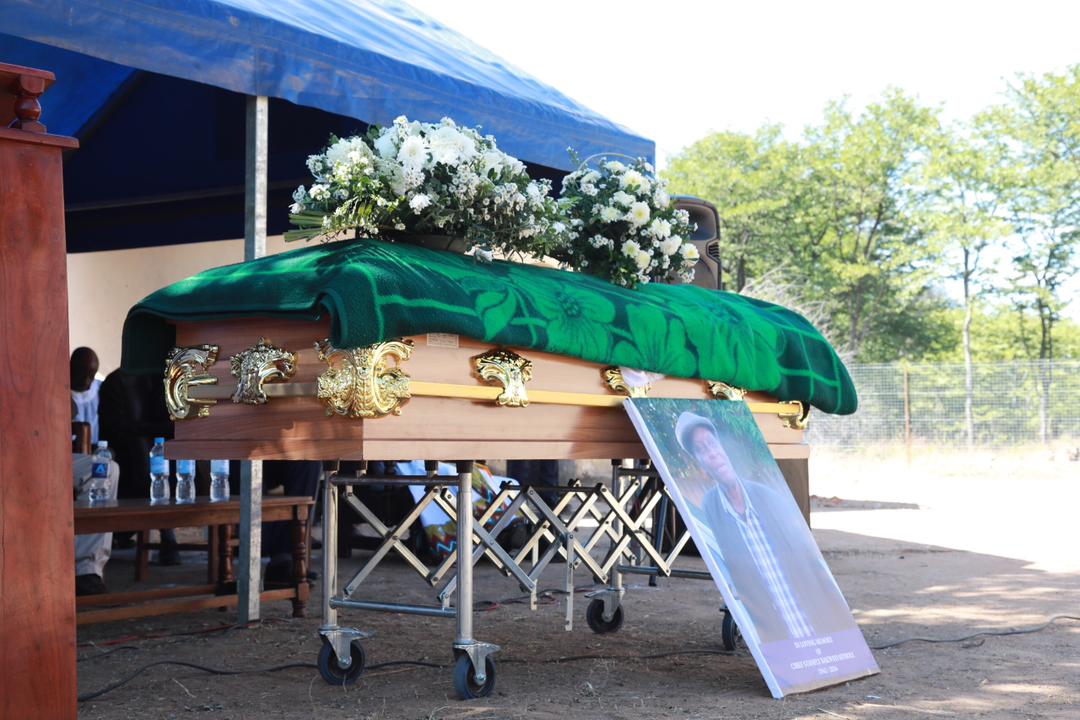
Judith Phiri , [email protected]
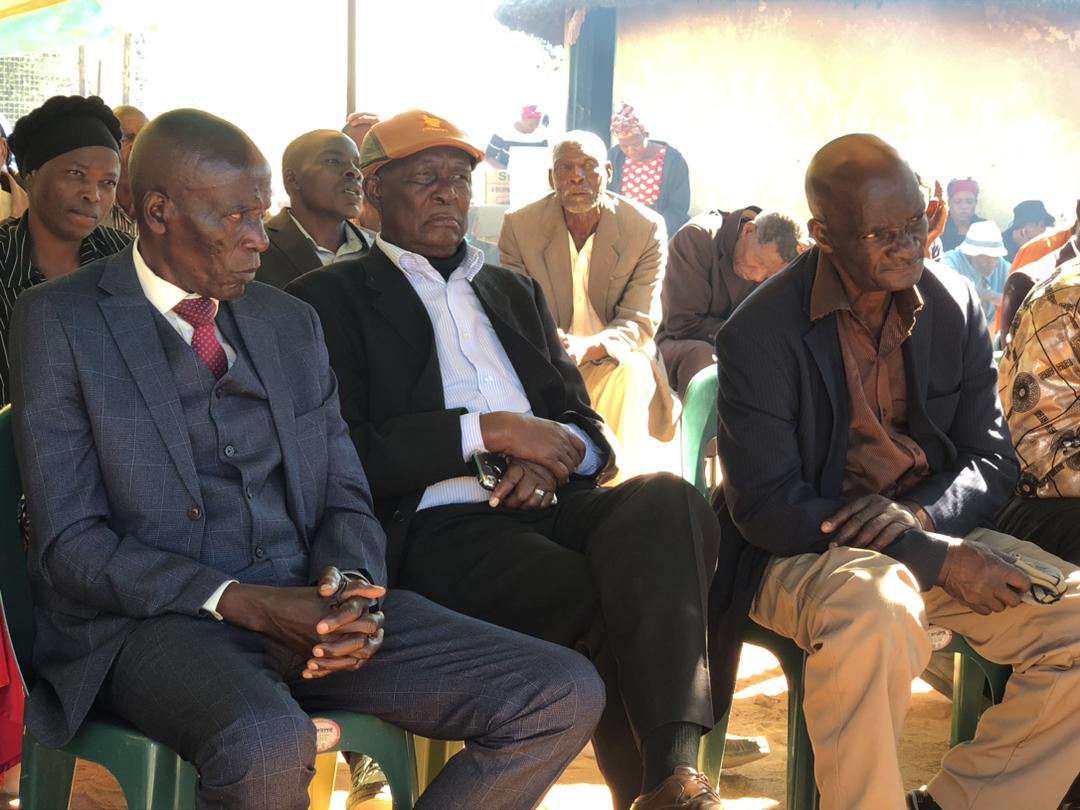
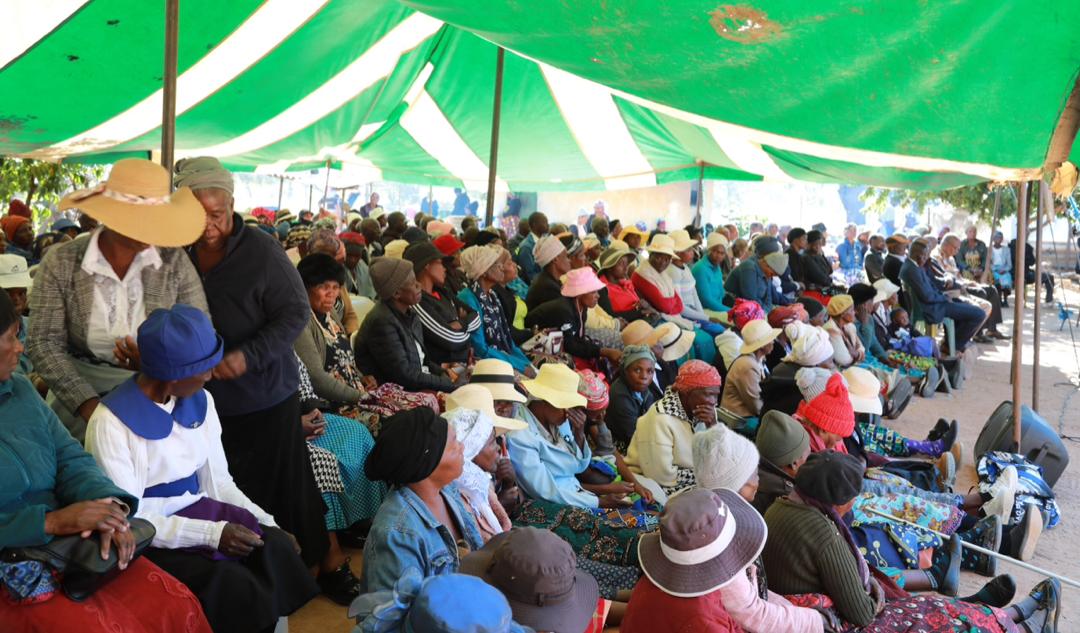
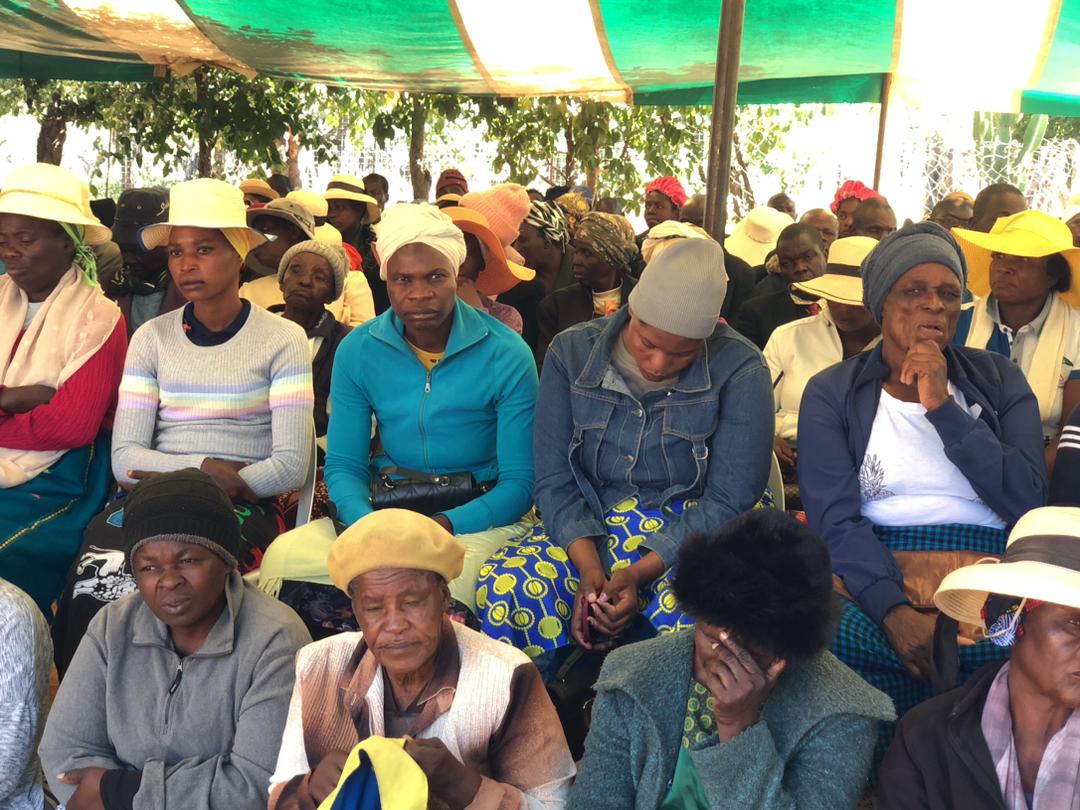
HUNDREDS of mourners yesterday gathered in Mtotobi Village, Kezi, Matobo District, to bid farewell to the late Chief Bakwayi, a respected traditional leader remembered for championing rural development, education and community welfare.
Born Stanley Bakwayi Sithole, the late chief died last week in Bulawayo following a short illness at the age of 84.
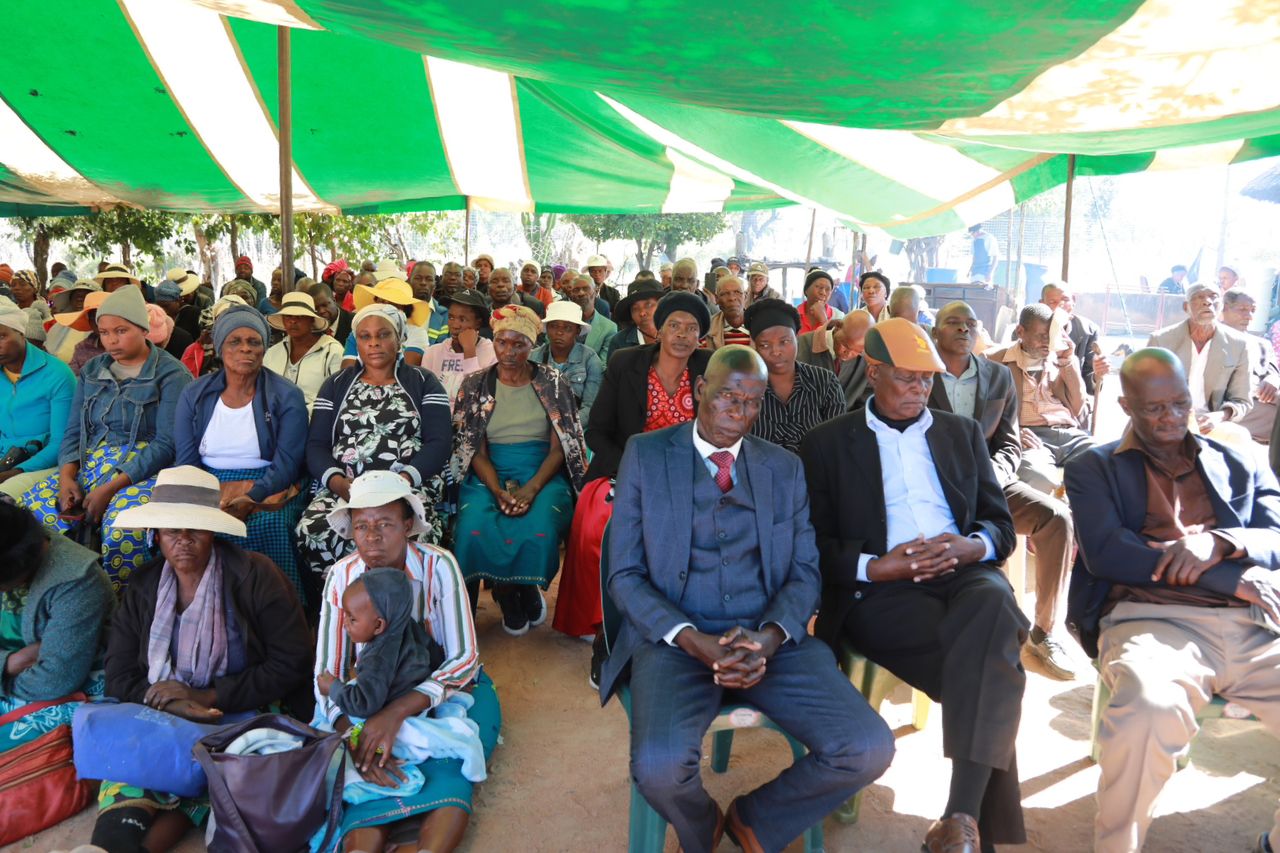
He was laid to rest at his rural home after serving as Chief Bakwayi for 18 years.
The late traditional leader is survived by wife, Martha, five children and seven grandchildren.
The funeral was presided over by Local Government and Public Works Minister Daniel Garwe, who was represented by his deputy, Cde Albert Mavunga.
In his speech, Minister Garwe described Chief Bakwayi as a humble yet visionary leader whose dedication to his people earned him widespread respect.
“Today, we gather here in solemn unity, burdened by grief yet strengthened by the enduring legacy of a respected traditional leader, an elder, a unifier and a devoted servant of the people, the late Chief Bakwayi,” he said.
“Our gathering is a moment of deep national reflection on the life of a man who dedicated himself wholeheartedly to the service of his community, the preservation of our culture and traditions, and the advancement of rural development in Matobo District and beyond.”
Minister Garwe said Zimbabwe had lost a custodian of culture, a voice of wisdom and a pillar of peace whose leadership positively impacted many lives.
He said Chief Bakwayi’s experiences as a young man working in Bulawayo helped shape his compassionate and people-centred style of leadership.
“Chief Bakwayi understood the value of labour, perseverance and responsibility. After completing his education, he moved to Bulawayo in search of employment opportunities,” he said.
“Through these experiences, he developed a deep appreciation of the struggles faced by ordinary working people, an understanding that shaped his compassionate and people-centred approach to leadership.”
Chief Bakwayi was officially installed on August 21, 2007 and went on to serve his community with distinction for nearly two decades.
“For nearly two decades, he stood as a symbol of stability, guidance and leadership within his community, earning the respect of Government, fellow traditional leaders and ordinary citizens alike,” said Minister Garwe.
He said the late chief fully appreciated the constitutional role of traditional leaders in governance and community development.
Minister Garwe said Chief Bakwayi’s leadership was rooted in humility, accountability and servant leadership, values that strengthened social cohesion and development within Matobo District.
“Under his stewardship, significant progress was realised in critical social sectors such as education, healthcare and community welfare. He strongly believed that education remains one of the most powerful tools for empowering future generations,” he said.
The late chief was credited for supporting institutions such as Donkwe Secondary School and Kezi Primary School, initiatives aimed at improving access to education in the district.
Minister Garwe said Chief Bakwayi was also passionate about child protection and preserving family values within communities.
“At a time when societies continue to face increasing social challenges, the late traditional leader remained vocal and proactive in promoting child protection programmes and supporting initiatives aimed at combating abuse, neglect and exploitation,” he said.
He urged other traditional leaders to continue promoting programmes such as Zunde RaMambo and Isiphala Senkosi, which serve as important social safety nets for vulnerable families facing food insecurity.
“These communal grain reserves embody the spirit of Ubuntu, solidarity and collective responsibility within our communities, while they are critical instruments for ensuring that no family suffers hunger during difficult seasons,” said Minister Garwe.
He reaffirmed Government’s commitment to working closely with traditional leaders in driving rural development and strengthening local governance structures.
“Government continues to recognise and appreciate the central role played by traditional leaders in promoting development, strengthening local governance and facilitating communication between communities.