Chronicle Editor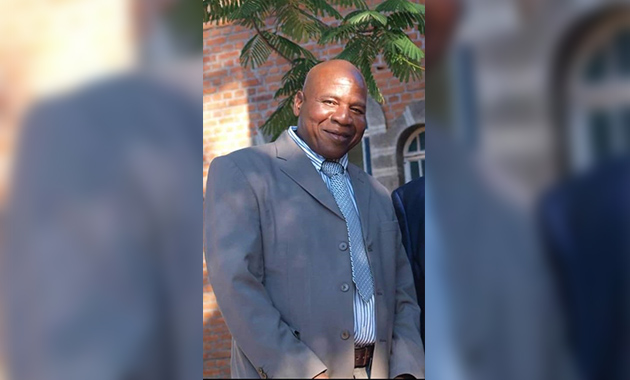
By Fairness Moyana in Hwange
HUNDREDS of mourners thronged the Kwidini family homestead in Lukosi area of Hwange to bid farewell to the late prominent businessman Sebastian Kwidini who died on Monday following an assault incident last month by a mental patient.
A somber atmosphere gripped the place amid calls for authorities and families to work together to address the increase in the number of mental illness patients roaming the streets.
The late businessman was attacked by known mental patient with a hardwood traditional chair as he sat in his butchery and left for dead before being rushed to Hwange Colliery Hospital.

Kwidini was later referred to Bulawayo for specialist attention due to the nature of head trauma he had suffered but succumbed to his injuries on Monday evening. He was 64.
Meanwhile Chronicle learnt that the attack on the late businessman by the same person was not the first as the same patient was once arrested for assault but later released after getting treatment at Ingutsheni Central Hospital in Bulawayo.
The incident has torched debate in the mining town of Hwange as residents now fear for their safety in the face of growing numbers of mental patients and strangers roaming the streets. Last year a mentally disturbed man from Dinde made headlines after killing and cooking his uncle’s body.
Mourners who spoke on the sidelines of the burial said they were worried about the increase in mentally disturbed people on the streets. Mr Lipani Sibanda called upon authorities to act swiftly by removing mentally disturbed people from the streets and placing them in the care of institutions such as Ingutsheni to avoid recurrence of violent crimes.

“There is a worrying trend of mentally disturbed people roaming the streets in Hwange, which needs to be addressed to avoid a similar occurrence as what befell Sebastian. Authorities should act to ensure the same incident doesn’t happen again,” said Mr Sibanda.
Another resident Mr Clifford Nyoni said the community was supposed to work together to ensure that mental patients received appropriate attention.
“Once someone is observed or diagnosed with a mental illness there should be means done by the community as a collective to assist in referring that individual to seek medical attention until treated,” he said.
“Unfortunately many cases are going unreported, which is a concern to the community. It may not be reported now but it has far fetching results. When things start to happen, there that’s when we realise but it will be too late.”
Mrs Gloria Thandi Dingani argued that the families of mental patients must play ball and ensure that there was effective monitoring and taking of medication to ensure they do not lapse.
“Often times we are trivial when approaching such issues where we give an account that a certain member was like that, which ends with no action being taken to assist the person to get treatment,” she said.
“This is one mindset that has led to the problem where fears of rituals cause people to be afraid to intervene and the problem goes unaddressed often leading to dire consequences like this.”
Zanu PF senior member in the district Cde Reeds Dube bemoaned the lack of knowledge amongst people, which was worsening the problem.
“Authorities should make sure that they look after those people. Government policy is very clear on what should be done but people on the ground who should implement lack commitment and that’s a big problem,” he said.
“If a mentally disturbed person gets hungry at times they tend to be very violent. So, it’s something to look into and make sure that it is corrected. There is also lack of knowledge on the issue as people normally take to the hospital a person suffering from malaria, Cholera or any other illness but when it comes to mentally disturbed people they don’t consider it as a disease or someone who should be taken to hospital. They just believe that he is mad and let him go around picking up food from dustbins, which is unfortunate.”
Cross Dete-based local businessman, Mr Jealous Siansole weighed in. “These people need care a place where they can be treated but the problem is that no action is being taken either by authorities or families to esnure that they are kept somewhere while receiving treatment,” he said. “Since this is a health problem we find that there is a challenge of medication in clinics or hospitals so the best would be to institutionalise them.

“Another problem is that when these people commit serious crimes they are let out into the society and action is taken when the person strikes again, something that could have been avoided in the first place.”
Change village headman, Mr Joseph Change, urged people to report such cases to health practitioners
“We need to report so that they can get treatment, we live with them but they are not getting treatment or monitoring their adherence to taking their medication. Once they default it becomes a big problem as it triggers behaviourial changes that result in crime,” he said.
“The community is aware that mental patients need to be taken to hospital for treatment unfortunately our clinics don’t have medication, which exacerbates the problem further.”
Chief Whange called for the resuscitation of recreational facilities to curb the increase in mental illness cases, which he argued were caused by alcohol and drug abuse amongst the youth largely due to boredom brought on by lack of employment.



 Online Reporter