Online Reporter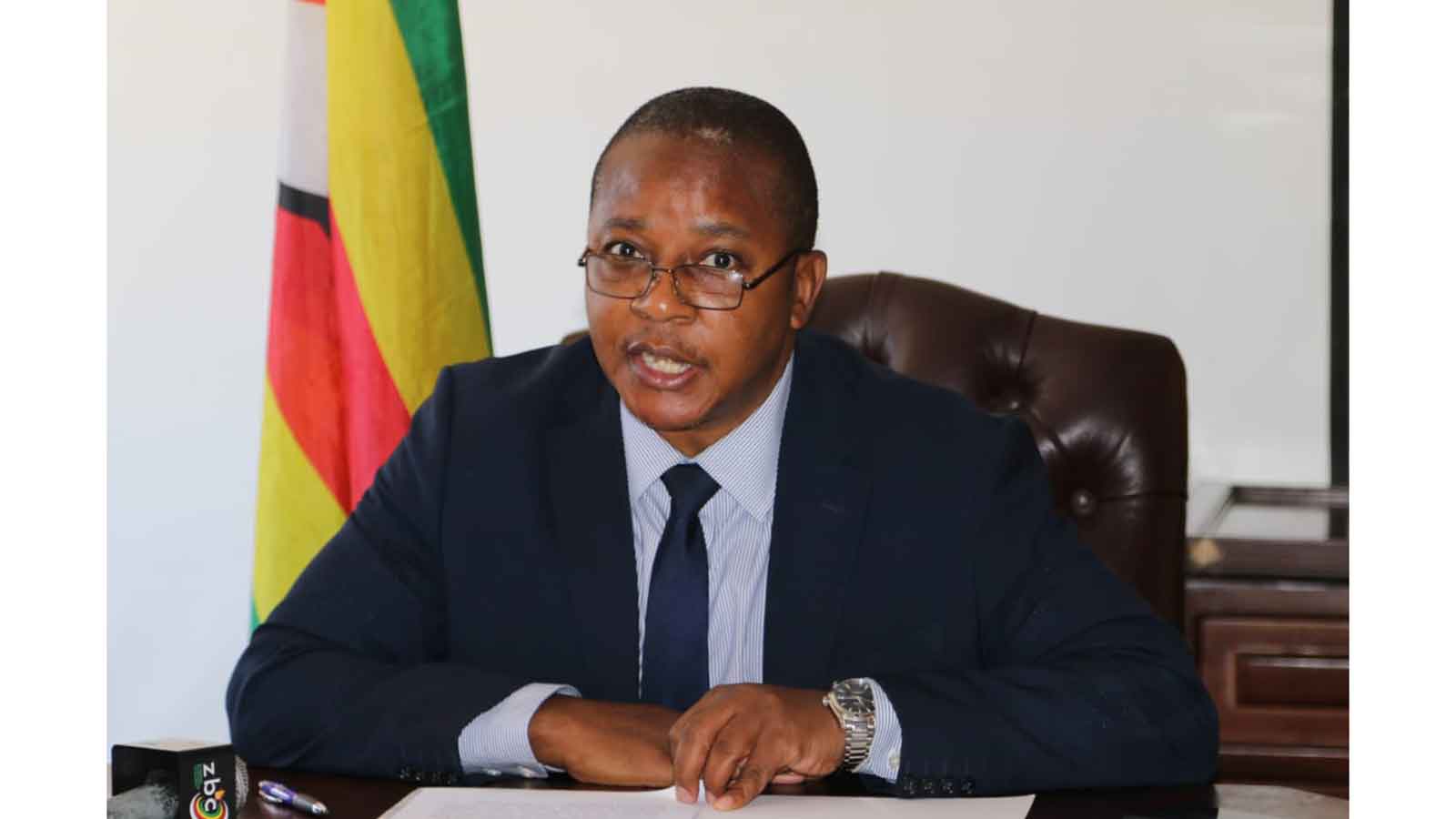
Stephen Mpofu, [email protected]
YES, as a nation, we have every right to pause and acknowledge the economic progress we have made over the 46 years since the rebirth of our country. That journey was not handed to us easily. It was forged through a bitter and painful armed struggle against colonial forces from distant lands, a struggle in which brave sons and daughters of this soil laid down their lives so that Zimbabwe could stand free. That history alone should remind us that any success we celebrate today has been hard-earned, and that it belongs first and foremost to the people of this nation.
For many years, however, Zimbabwe, like many other resource-rich countries across the African continent, has been caught in a pattern that benefited others far more than ourselves.
We exported raw minerals in their unprocessed form, allowing international buyers to take these resources, refine them and sell finished products at far greater value. Meanwhile, we were left with very little in return, receiving what could fairly be described as a fraction of the true worth of our natural wealth.
Now, there are clear signs that this long-standing pattern is beginning to change. The Government has announced plans to phase out the export of lithium concentrates by January 2027, a move that signals a major shift in how the country intends to manage its mineral resources.
By that time, all producers are expected to have put in place local processing facilities, ensuring that Zimbabwe exports higher-value products and earns the level of foreign currency that reflects the true value of its resources.
The Minister of Mines and Mining Development, Dr Polite Kambamura, has indicated that for now, export quotas are being issued to ensure that there are no disruptions while the necessary beneficiation capacity is being developed.
This careful approach suggests that the transition is being managed with both ambition and practicality in mind.
Zimbabwe is well positioned to benefit from such a shift. The country holds the largest lithium reserves in Africa and is ranked among the top globally, making the mineral a key pillar in its mining-led growth strategy.
At a time when the world is increasingly moving towards green energy, lithium has become a highly sought-after resource, especially for its role in battery manufacturing.
By prioritising the processing of lithium into higher-value forms such as carbonate and lithium hydroxide, Zimbabwe is stepping into a space that offers far greater economic returns.
There is also a broader sense that the country is steadily overcoming external pressures that have previously constrained economic growth. Zimbabwe’s resilience in the face of illegal Western economic sanctions continues to shape its determination to chart its own path, and this renewed focus on value addition could further strengthen its position in global trade.
Another encouraging development that deserves recognition is Zimbabwe’s successful bid to host the headquarters of the Intra-Africa Trade Fair (IATF) Company. As announced by Vice President Dr Kembo Mohadi, this achievement has the potential to significantly boost the country’s economic prospects, placing it at the centre of continental trade and investment.
This success did not come by chance. It reflects years of consistent effort, particularly the role played by Bulawayo as Zimbabwe’s industrial hub. Since Independence, the city has hosted the Zimbabwe International Trade Fair (ZITF), drawing companies from across the world. These gatherings have created opportunities for networking, trade and investment, reinforcing Zimbabwe’s position as an important meeting point for business within Africa.
In many ways, these developments mark a turning point. They suggest a country that is beginning to move with greater purpose, seeking not only to participate in global markets but to do so on terms that offer real benefit to its people.
As Zimbabwe moves forward, it remains important to approach the future with both confidence and humility. There is value in recognising progress, but also in understanding that there is still work to be done. Placing these ambitions in God’s hands, as a nation, reflects a belief that obstacles can be overcome and that the journey ahead, while challenging, is one worth pursuing.
With steady focus, unity and commitment, Zimbabwe can continue to move forward — not backwards — building an economy that truly serves its people and contributes meaningfully to the prosperity of the continent as a whole.