admin
admin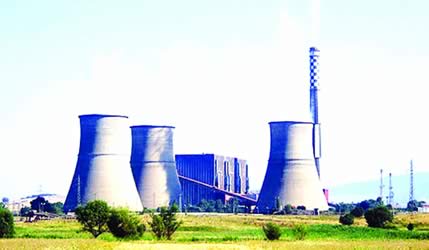
from China, namely SinoHydro and China National Machinery Corporation.
Zimbabwe Power Company managing director Mr Noah Gwariro said the SPB would soon be entering the final round of bidding.
“SinoHydro has tendered its bid price to US$1,17 billion, while its competitor has placed its bid at US$1,38 billion,” he said. “The winning bidder will be announced in January 2013, and they will move on to negotiate the contract within the first quarter of next year.”
Expansion of Hwange Power Station is expected to add 600 megawatts onto the national grid, which will reduce power shortages that have been gripping the country. SinoHydro was also awarded the tender for the Kariba South expansion project expected to add 300MW.
Tendered at US$368 million, the project is expected to take off early next year and be completed within four years.
The SPB had cancelled the tender saying the firm had failed to meet tender requirements, but Sino-Hydro protested the decision as they had signed a Memorandum of Understanding with the Finance Ministry.
Zimbabwe is facing crippling power shortages and is at present only able to generate about 1 200MW against national demand for power of about 2 200MW at peak periods. The power deficit has spawned frequent power cuts to industry, commerce and domestic users.
It has become a major obstacle to the ongoing economic recovery. Analysts blame the power deficits on lack of investment into the sector since attaining independence from Britain in 1980.
Zimbabwe is now planning to raise power output to 10 000 megawatts in line with the National Energy Policy. The new energy policy calls for capacity expansion of 800MW at the Batoka Gorge hydropower power station by 2020, 300MW at the Kariba South hydroelectric power station by 2016.
Zimbabwe Energy Regulatory Authority has since licensed various large electricity generation projects, investing in 11 new projects with a combined capacity of about 5 400MW and valued at US$10 billion.
Last week, Finance Minister Tendai Biti said growth in electricity is estimated at a mere 0,3 percent in 2012 against 7,8 percent in 2011, reflecting operational inefficiencies associated with and frequent breakdowns affecting all the thermal power stations. He said this year’s capacity generation averaged 1 010MW against a target of 1 085MW.
In 2013, the growth rate is anticipated to marginally improve to 1,9 percent due to re-powering of Bulawayo and Harare Power Stations and the rehabilitation of Hwange Power Units to guarantee average generation capacity of 430MW.
Minister Biti noted that in the medium term, electricity supply would require private sector participation and investment supported by demand side management measures which include installation of prepaid meters to enhance revenue collection, necessary for guaranteeing working capital requirements. — Business Reporter/New Ziana.



 Online Reporter