Online Reporter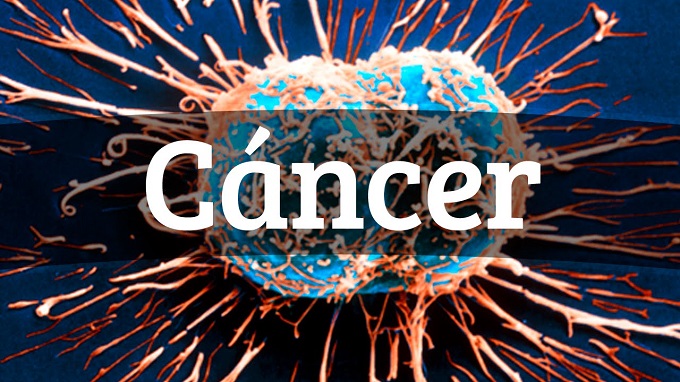
Rutendo Mapfumo in Hwange
Lack of skilled personnel and essential diagnostic equipment in Hwange District has contributed to the low levels of reported cancer cases from the area, a senior health official has said.
This has resulted in misleadingly low reported cancer cases, according to Hwange District Medical Officer Dr Fungai Musunami. She appealed to authorities to urgently address the problem so that accurate information on cancer cases in the district is available.
Recently, over 400 villagers in Chibhala received free medical services, including cancer screening, underscoring the importance of grassroots efforts in improving healthcare access.
In an interview, Dr Musunami pointed out that the major gaps in cancer management was lack of diagnostic equipment and trained health workers.
“We lack the necessary equipment to diagnose cancer and consequently, our reported numbers may seem low which is misleading,” she said.
The district is also facing a critical shortage of skilled health workers thereby further complicating cancer management.
“There are significant gaps in health worker capacity and knowledge in diagnosing and managing cancers. While we have a specialist for gynaecological cancers, we do not have qualified health workers for other types of cancers,” said Dr Musunami.
A recent Southern African study revealed that various patient-level factors, including financial constraints and missed appointments, contribute to diagnostic delays. Misdiagnoses such as mistaking rectal bleeding for haemorrhoids, further exacerbate the issue.
Centralised cancer services in Harare and Bulawayo result in most rural patients facing extra expenses as they have to travel long distances for treatment. Frequent equipment break-downs due to power outages disrupt cancer care continuity.
Despite these challenges, efforts are underway to enhance cancer care in Hwange. Plans for a regional oncology centre of excellence aim to provide accessible screening, detection, and treatment services closer to patients. This initiative seeks to alleviate pressure on centralised facilities and improve regional access to cancer care.
Community-based initiatives, such as free medical screenings and awareness campaigns, are also being implemented to promote early detection. The lack of diagnostic equipment and skilled personnel in Hwange District highlights the urgent need for targeted interventions.
Addressing these challenges requires a multifaceted approach, including investment in healthcare infrastructure, training health workers and community initiatives to enhance early detection and awareness. By tackling these issues, Zimbabwe can work towards equitable access to cancer care for all its citizens. —New Ziana