Chronicle Editor
Leonorah Ncube in Victoria Falls
THE Hwange Local Board (HLB) has raised concerns over ongoing delays in the incorporation of several local authorities within the coal mining town, a move that the local authority believes will help boost revenue inflows and streamline governance.
HLB has reported revenue losses due to a fragmented urban governance structure, where it oversees 15 councillors whose wards lie administratively outside its jurisdiction in concession areas.
The disjointed setup, according to HLB, hinders effective governance and revenue collection, with the board only managing five wards namely Baobab, Chibondo, Empumalanga, and the industrial areas, including camps for the Zimbabwe National Army, Zimbabwe Prison and Correctional Services, and part of the Zimbabwe Republic Police.
The remaining 10 wards, represented by 14 councillors including those elected on proportional representation fall within concession areas under the management of Hwange Colliery Company Limited (HCCL), Zimbabwe Power Company (ZPC), and National Railways of Zimbabwe (NRZ).
While some of these wards are under Hwange Rural District Council, the councillors are elected under the HLB, creating administrative inconsistencies and confusion.
Despite these challenges, HLB currently handles allowances and benefits for all 20 councillors, although only six of them are legally within the council’s remit.
HCCL oversees eight wards, while ZPC and NRZ each manage one.
Since the early 1990s, HLB has been pushing for incorporation and town status.
The Government set up commissions of inquiry in 2015 and 2022, both of which recommended that the council be incorporated.
Following the 2015 inquiry, HLB and HCCL reached an agreement that some of HCCL’s staff would be transferred to HLB upon incorporation.
A recent visit by a Ministry of Local Government and Public Works delegation to Hwange reaffirmed the need for urgent action. HLB management has called for swift Government intervention, saying incorporation would allow the council to collect revenue from concession area wards and retain license fees, in addition to granting it full town status.
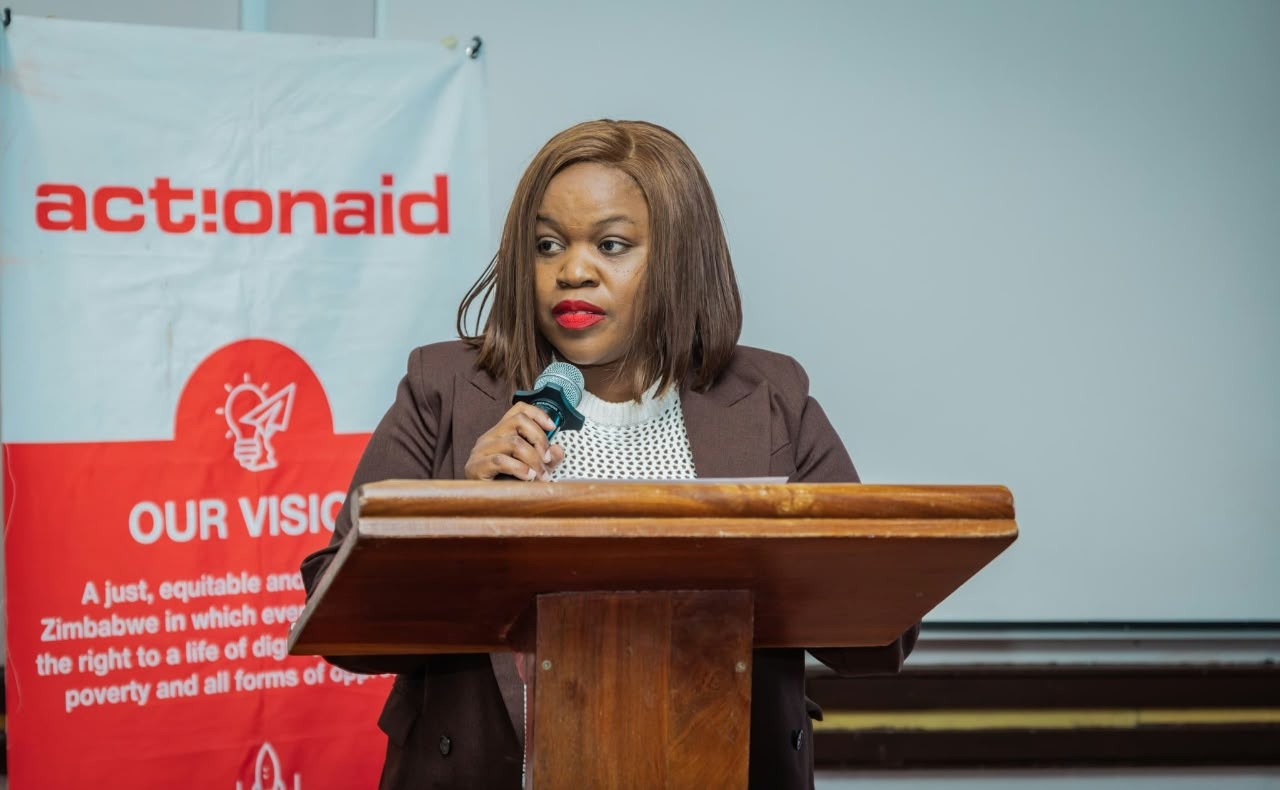
Speaking during an interactive meeting with the Minister of Local Government, Daniel Garwe in Victoria Falls, HLB engineer Ndabezinhle Thwala expressed the local authority’s eagerness to see the issue resolved.
“The issue of incorporation has been hanging for too long, and we urge that it be concluded,” he said.
Eng Thwala also pointed to the challenge of low bill payments by residents, which further exacerbates the council’s financial struggles.
“As we prepare for 2025, we need to improve revenue collection through extensive stakeholder engagement. Residents are not paying their bills, and we are considering legal action against defaulters,” he said.
Eng Thwala said last year, HLB’s budget was US$7,5 million, but only US$3,7 million (49%) was collected.
He said HLB is also working on strengthening its governance systems, including recruiting key personnel in line with good corporate governance practices.
The council recently completed its valuation roll, which came into effect in January 2025. It has also set up a spatial planning department and employed a substantive finance director.
Furthermore, HLB is focused on resolving water and sewer reticulation issues, with the Zimbabwe National Water Authority (Zinwa) responsible for bulk water distribution.
Eng Thwala said the cash-strapped HLB is seeking about US$500 million for the resuscitation of its main sewer treatment plant while working on alternative solar power after Zesa installed a prepaid meter at the power station, making it difficult for the local authority to meet the costs.
Hwange, a major coal mining hub, is home to industry giants such as Hwange Colliery and the Hwange Thermal Power Station, making its development crucial to both the local and national economies.


 Online Reporter