Online Reporter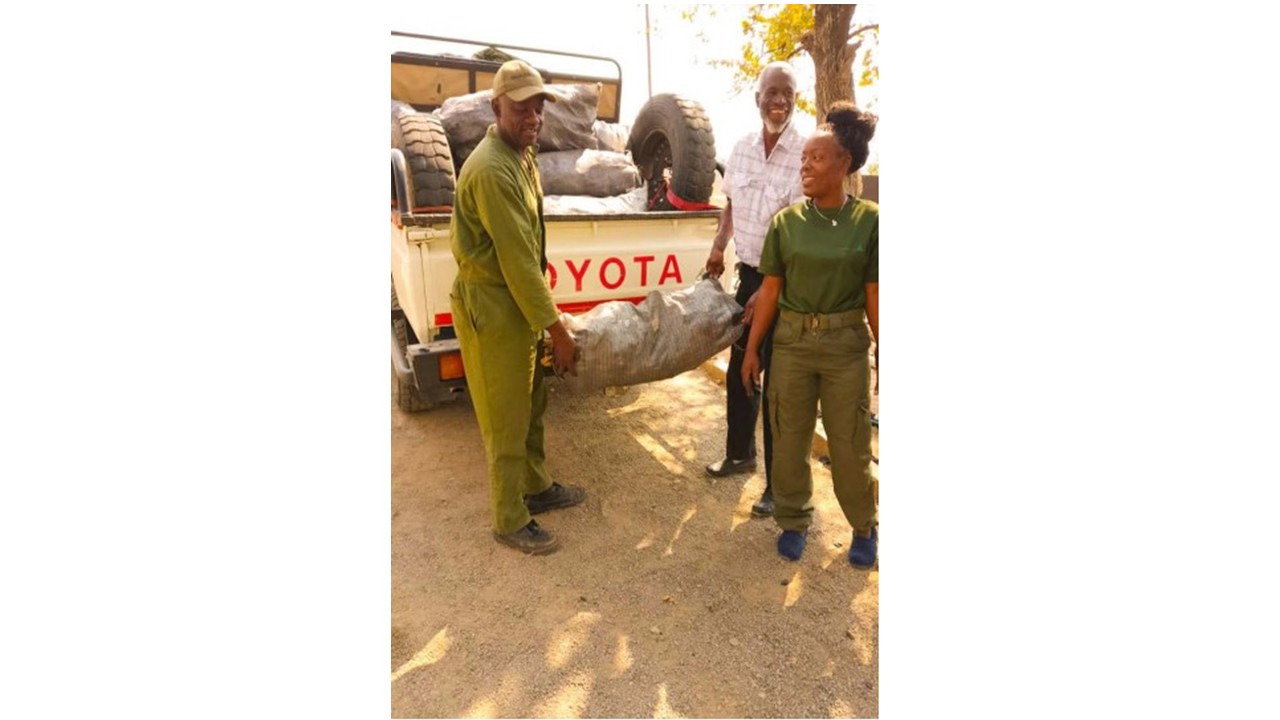
Judith Phiri, [email protected]
THE Hwange Local Board (HLB) will this year impose penalties on unscrupulous individuals found in possession of charcoal as part of efforts to curb its illegal production and the rampant deforestation ravaging the District.
HLB Corporate Communications Officer, Mr Dumisani Nsingo said the growing number of people trading in charcoal within the local authority’s area of jurisdiction had prompted Council to introduce penalties as part of efforts to join key national stakeholders in promoting environmental stewardship and protection initiatives.

“We introduced penalties for the illegal possession of charcoal after noting that the practice had become rampant, particularly in Empumalanga high-density suburb. A significant number of people are now involved in the production and sale of charcoal. Our intervention complements ongoing efforts by the Environmental Management Agency and the Forestry Commission to curb deforestation and protect the environment,” he said.
He said the penalty has been incorporated into the proposed 2026 budget and with effect from 1 January 2026, anyone found in possession of charcoal without the requisite documentation will be liable to a US$30 fine, while the consignment will be confiscated.
Mr Nsingo said a joint operation by HLB Police and the Forestry Commission at a residence in Empumalanga suburb led to the discovery of 900 kilogrammes of illegally produced charcoal, underscoring growing concerns over rampant deforestation in the district.
“Acting on a tip-off, the enforcement teams raided the property and confiscated the contraband, which is believed to have been sourced from unregulated cutting of indigenous trees,” he added.
“Officials from both institutions said the operation marked the beginning of intensified efforts to curb environmental crimes, warning that those involved in the illicit charcoal trade would face arrest, heavy fines and forfeiture of their produce.”
He said HLB and Forestry Commission have since vowed to sustain joint patrols and community awareness campaigns to protect the area’s fragile ecosystems and promote responsible use of forest resources.
Mr Nsingo said the indigenous Mopane tree was under siege from villagers and some errant urban residents who cut it down and burn it to extract charcoal for sale to dealers who have swarmed the district.
“Mopane, a hardwood, is termite-resistant and preferred for building houses, fences and railway sleepers. The tree is also becoming popular as a heavy and decorative wood used in furniture beyond Africa.”