Online Reporter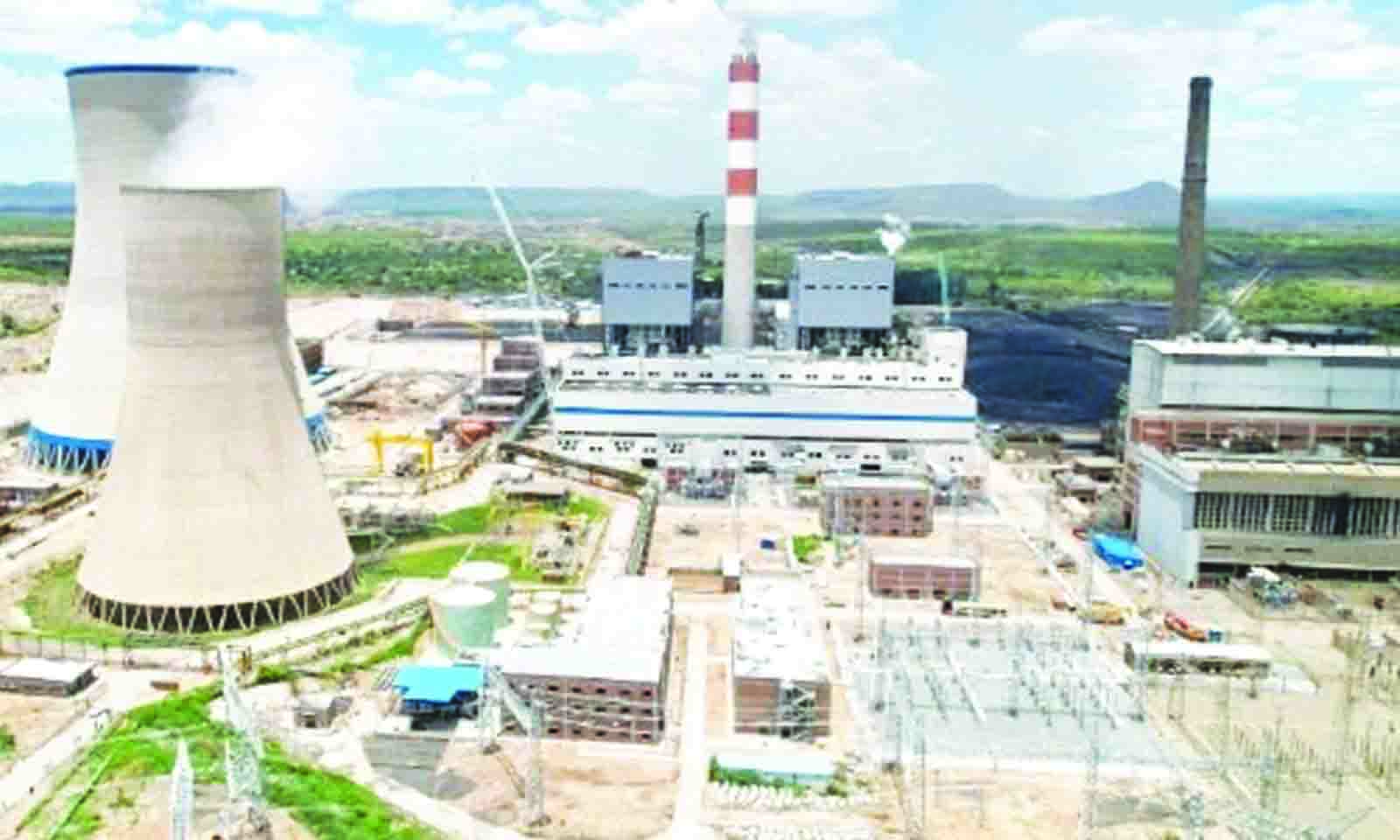
Rutendo Nyeve recently in HWANGE
THE mining town of Hwange is experiencing a dramatic renaissance, emerging as a powerhouse of national growth and a shining example of the Second Republic’s development-focused policies.
Established over a century ago on the rich coal seams of Matabeleland North to make sure that the fast developing rail network could get local fuel, Hwange’s very existence was synonymous with the Hwange Colliery Company.
For decades, the town hummed with activity, its fortunes inextricably linked to the coal extracted from the mines, powering the nation’s industries and homes. However, the turn of the millennium brought severe challenges.
The crippling impact of illegal sanctions, coupled with internal economic headwinds and the end of steam rail saw the once-mighty Hwange Colliery Company crumble despite having the giant power station in the town as its number one customer.
Other ancillary businesses followed, impeding development, crippling socio-economic sectors, and pushing livelihoods to the brink. The town, for a time, seemed to be fading into a ghost of its former self.
But today, that narrative has been decisively overturned.
Since the coming in of the Second Republic, Hwange is witnessing an unprecedented surge in economic activity, driven by significant and strategic investments in the mining and energy sectors. The evidence of this rebirth is visible everywhere.
The air is filled with the sounds of construction, not just of new mines, but of new homes, new shops and new infrastructure. This transformation has not gone unnoticed at the highest levels of Government.
During a recent tour of the town, the Minister of Mines and Mining Development, Winston Chitando, bore witness to the remarkable turnaround.
“There is no doubt that the town has been brought back to life. The town is abuzz with economic activity, which has been spurred by the expansion of the Hwange Thermal Power Station and the opening up of several coal mines, among other investments,” he noted.
“The expansion of the thermal power station and the opening of the new mines have seen a number of employees being accommodated within the town, thereby increasing the demand for housing and other social amenities,” said Minister Chitando.
His observations are quantified by the Hwange Local Board, which is at the forefront of managing this rapid urban growth. According to the Hwange Local Board, the driving forces are clear: the expansion of the Hwange Thermal Power Station, the establishment of two new small private power stations and the opening of several coal mining companies.
These projects have collectively increased employment to approximately 80 percent of the active adult population, triggering a construction boom that is reshaping the town’s skyline and suburbs.
Hwange Local Board Town Secretary, Mr Ndumiso Mdlalose, in a detailed response, confirmed the direct correlation between this industrial investment and urban development.
“The growing population and the corresponding increase in connections to Council infrastructure have placed immense pressure on the existing sewer and water systems,” said Mr Mdlalose, highlighting the challenges of success.
“Some sections of the sewer network are frequently experiencing blockages as the current lines can no longer handle the increased load.”
Despite these pressures, the Council is pushing ahead on maintenance and development. Through its own financial resources, it is conducting regular maintenance and progressively replacing smaller pipes with larger ones to improve capacity.
The most visible indicator of Hwange’s transformation is the housing explosion.
Power generation giants, Zesa’s Zimbabwe Power Company and the private Hwange Electricity Supply Company (HESCO), have become major players in urban development.
“They have spearheaded projects leading to 680 new properties, which are now contributing to council revenue. Recent completions include 49 occupied houses at Baobab Hill, with 537 more properties underway at Empumalanga.
“Notably, 300 of these are for ZPC employees being relocated from Ingagula due to air pollution concerns,” said Mr Mdlalose.
“The private sector is also all-in. Financial institutions like FBC Building Society are servicing 764 housing stands and a high-rise flat stand. Furthermore, the Ministry of Housing and Social Amenities is leading the servicing of over 2 000 stands at Empumalanga West.
“These projects position Hwange Local Board as a key contributor to the Government’s National Development Strategy 1 (NDS1) goal of delivering one million housing units by 2025,” he added.
The residential housing boom has spurred demand for commercial and institutional stands, with retail construction skyrocketing.
The revitalisation of Hwange Colliery Company itself has further stimulated property investments. The population surge has necessitated parallel development in social amenities.
“The council has identified three sites for new schools and has begun constructing a new primary school at Dynamic Village,” he said.
Partnerships, like the one with South Mining that delivered a state-of-the-art library, are proving crucial. However, the path to progress is not without its hurdles.
Mr Mdlalose said there was continued significant financial constraint.
“Despite robust investment activity, council’s revenue collection remains constrained, hovering just above 30 percent due to delay in payment of rates. As of September 30, council is owed over US$6 million,” he revealed.
This debt, with residents and ZPC owing the most, has hindered critical projects like sewer installation and the completion of the council’s boardroom, affecting service delivery and statutory obligations.
To address infrastructure deficits, the council is prioritising the rehabilitation of the Empumalanga Waste Water Treatment Plant, non-functional for nearly 20 years, and is seeking partners for this and other projects like the Nengasha Stadium.
Despite the challenges, the overarching story of Hwange is one of resilience and renewal. From a town buckling under economic pressure to a vibrant, growing urban economy, Hwange’s revival stands as a powerful testament to the transformative impact of the Second Republic’s investment-driven recovery model, breathing new life into Zimbabwe’s historic coal capital.