Online Reporter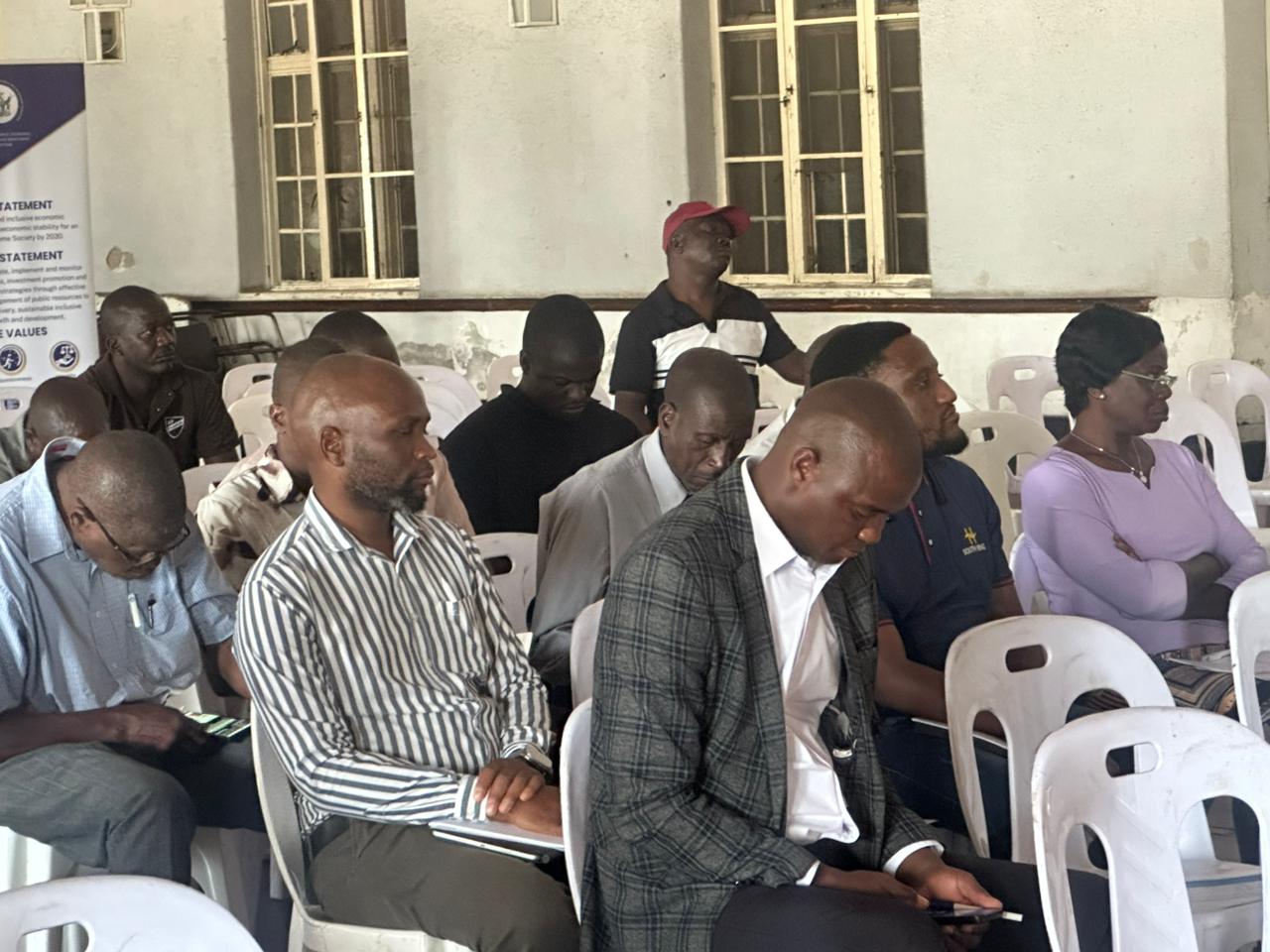
Fairness Moyana in Hwange
HWANGE residents and local authority officials have called for urgent Government intervention to address the district’s deteriorating water infrastructure, warning that inadequate funding and delays in the disbursement of devolution funds are hampering service delivery.
The concerns were raised during a National Budget Education Campaign held in Hwange on Monday, where Treasury and Parliament officials fielded questions on funding for local authorities, infrastructure development and other key priorities.
Hwange Local Board chief executive officer Mr Ndumiso Mdlalose said the national and local government budgeting processes needed to be better aligned to ensure councils had adequate resources to provide essential services.
He said most Government programmes were implemented through local authorities, yet councils were frequently expected to deliver services without sufficient financial backing.
“Our appeal to local authorities is that there be a careful assessment of the synchronisation processes between the local government budget processes and the national budget,” said Mr Mdlalose.
He said improved alignment would ensure the financial requirements needed to achieve minimum service delivery standards were adequately reflected in the national budget.
Funding concerns were particularly evident in the water sector, with stakeholders warning that Hwange’s ageing infrastructure was no longer capable of meeting the district’s growing needs.
Mr Malvern Daka said the district was facing severe water challenges and questioned the slow pace of major water infrastructure projects.
“Hwange District in general is facing water challenges. Our water infrastructure is obsolete. So, we need to plan ahead, we need to re-strategise so that we meet Vision 2030,” he said.
The concerns come at a time when demand for water continues to increase due to population growth and expanding industrial activity. Stakeholders said long-term planning and investment in water infrastructure were crucial if national development targets were to be achieved.
Another major issue raised during the meeting was the delayed release of devolution funds, which local authorities said were vital for financing capital projects.
One participant said the district’s three local authorities had gone for about three years without receiving devolution funds despite the constitutional requirement for resources to be devolved to local authorities.
The absence of the funds, he said, had constrained councils’ ability to implement capital projects and maintain balanced budgets.
A Treasury representative acknowledged that Government had, in many instances, fallen short of the constitutional requirement to allocate five percent of national revenue towards devolution.
“Admittedly, in most cases, the Treasury has not been meeting the five percent,” he said.
He attributed some of the delays to administrative processes, saying local authorities were required to complete and submit the necessary documentation before funds could be released.
A Parliament representative said legislators had consistently pushed for compliance with the constitutional requirement to allocate five percent of Government resources to devolution. However, he said the key challenge remained ensuring that the funds reached the intended beneficiaries.
The meeting also brought renewed scrutiny to delays in the implementation of major national infrastructure projects.
Mr Patrick Utete questioned why projects that had been approved and allocated funding were remaining incomplete for years.
He cited the rehabilitation of the Bulawayo-Victoria Falls Road, saying the project had initially been expected to take about 10 months, yet contractors had reportedly been off-site since December or early January.
Mr Utete called for funds to be ring-fenced in the 2026 National Budget to ensure the project was completed.
Responding to the concerns, Treasury said delays affecting some national projects were largely a result of limited resources, noting that budget allocations ultimately depended on actual revenue collections.
“The national cake is limited to such an extent that we will not be able to complete all the projects that we would have budgeted for,” the official said.
However, he maintained that the Bulawayo-Victoria Falls Road remained one of Government’s priority projects under the 2026 Budget.
Participants also called for greater preparedness for climate-related shocks such as droughts and El Niño-induced weather events, arguing that recurring disasters should be fully incorporated into national planning frameworks.
Treasury said Government was strengthening its response through early warning systems, irrigation development and the Agriculture Response Preparedness Framework.
The meeting further highlighted the need to support local production, with participants noting that Hwange consumes significant quantities of chicken, beef and vegetables produced outside the district.
They argued that deliberate Government policies were needed to stimulate local industries, create employment opportunities and ensure revenue generated within Hwange circulates in the local economy.
Stakeholders also said Hwange, as one of the country’s key energy-producing districts, should derive greater benefits from its contribution to national power generation, particularly given the environmental pressures associated with energy production.
The National Budget Education Campaign continues in Lupane today before concluding its Matabeleland North leg in Bubi District on September 4.