Chronicle Editor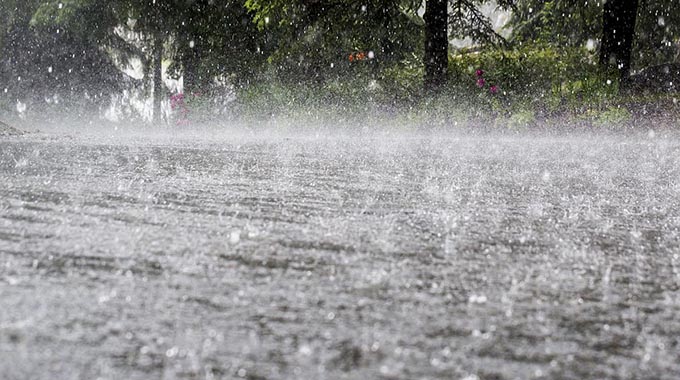
Leonard Ncube, [email protected]
VILLAGERS in Ndumichenga under Chief Nekatambe area of Hwange district in Matabeleland North are appealing to Government and other well-wishers to chip in and assist in rehabilitating a dam that burst in 2019 and they are now facing serious water problems.
The dam, with a holding capacity of about 40 000 cubic metres, was constructed by members of the local community in 2014.
The water body became a source of water for both villagers and livestock. The dam also provided water for an irrigation project that supported 40 families.
“The farming project is in line with Government’s plan to have irrigation projects in every district to enhance food security which is key to the attainment of an upper-middle-income society,” he said.
The villagers helplessly watched as the dam wall burst following heavy rains in 2019. They are now struggling to rehabilitate it, and therefore appealing for help from well-wishers.
In an interview, Ward 11 councillor Joshua Tshuma said: “We used to have Ndumichenga irrigation scheme which supported 40 families, and the project has since collapsed.”
Full article on www.chronicle.co.zw
“It took the whole year to construct the dam which became a source of water for domestic use, irrigation and for livestock. The water would last until the next rainy season.”
Zambezi Gas Coal Mine drilled a borehole for the community, which is, however, failing to provide enough water for both villagers and domestic animals.
Each member of the irrigation scheme had 10 beds and they produced vegetables, tomatoes, onions, beans, and maize for commercial and domestic consumption.
Clr Tshuma said through the project, they were able to generate income for their families and take their children to school.
“We are appealing for assistance in the form of an excavator,” he said.
Hwange district is a semi-arid area that falls under agro-ecological regions four and five characterised by low rainfall.
Soils are predominantly the Kalahari sands. The farming system in Hwange is semi-extensive mixed farming involving small stock and cattle production as well as growing rain-fed crops — maize, sorghum, pearl millet, groundnuts, and cowpea among others.


 Online Reporter