admin
admin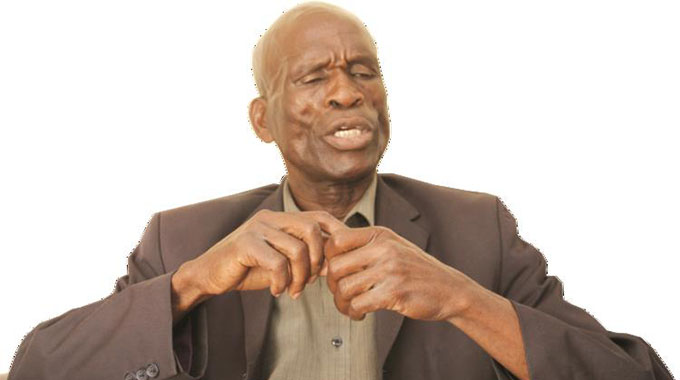
CHRONICLES From the 2nd Chimurenga
Cde George Shumba, whose nom de guerre was Cde Farai Tafirenyika, continues to tell our Deputy News Editor Levi Mukarati how he joined other comrades in the quest to liberate Zimbabwe. He narrates how he encountered traumatising episodes in the treatment of ‘‘rebels’’ at Chifombo after the Nhari-Badza rebellion.
Q: Apart from the seminary closing, what action did the administrators take against your action to strike?
A: Let me give a clear picture of how the events unfolded. At the seminary, we had people from Manicaland Diocese, which included Mashonaland East. There were others from Gweru Diocese, Chinhoyi, Harare, Bulawayo and Hwange dioceses.
At that time, I was the most senior from the Manicaland and Mashonaland East Diocese. We converged as leaders from the various dioceses to deliberate on what course of action to take in order to defend Mukwawapasi.
We felt what had happened was no longer in order for such an institution.
We decided to break from lessons for the whole week, but that action attracted serious harassment from Rhodesian police officers who threatened us with arrests and tried to give a political spin to our actions.
I was tasked, together with father Muzungu, to try and get our story published in The Rhodesia Herald.
But the story came out on page three, at a bottom corner with a spin favouring the action to dismiss Mukwawapasi.
When it was discovered that we had sought the publication of our story, we were dismissed from the seminary. That was in October 1974.
Every student was dismissed. We were over 100 and it took two buses to ferry and drop us at the Roman Catholic Cathedral along Fourth Street in Harare.
We also suspected there were some characters among us, like Mhosva, Alois Mugova, Augustine Chizikano and Mutuke, who were siding with the administrators at the seminary.
These, I am confident, were to return to the seminary.
Q: From Chishawasha Seminary to Cathedral, what happened next?
A: Ndopandakazoona kuti hapana yekutamba. Ini naMutseyami and Tsingano takanga tagara tichiwirirana and we all had come through from St Charles Lwanga.
I went kumusha kwaMutseyami kuChipinge. Tsingano takatozomuona tabva kumusha tambopinda maMutare, we didn’t know that he was from Mozambique, Manica Province.
Tsingano’s elder brother was working at the railway station in Mutare.
That is when we planned to cross into Mozambique to join the liberation struggle.
Tsingano didn’t say goodbye to his brother or even carry anything.
During those days, Zanu was very popular, that is why we decided to go to Mozambique. It was towards the end of 1974.
We knew kuti Frelimo yakanga yatora kuMozambique and was accommodating Zanu recruits.
It was during the transition period to that country’s official independence in June 1975.
We sneaked into Mozambique through the border at night, on the side of the railway tracks. We did not face any problems.
We then passed through Manica and reached Chimoio. Tsingano was older than us and was familiar with the terrain.
Q: Your crossing sounds easy, was it possible to go to Mozambique without the comrades who would have recruited you?
A: It was not easy but it was possible. There was a period between 1972 and 1974 when there was an influx of recruits into Mozambique.
At that time, kune vanhu vaingoenda and there were those who were recruited. I will explain later how those who came by themselves were to face problems.
When we got to Chimoio, we were intercepted by Frelimo soldiers who were in the company of Portuguese soldiers. They detained us at a military camp where we were interrogated.
At that camp, we also met some people who had been captured and labelled sell-outs, maCapricorns or vatengesi. Ava ndovamwe vevakazobuda vakunzi Renamo in Mozambique.
We were moved to another camp in Mozambique and this time we were no longer being treated as detained persons. We were welcomed by Zihovha and Kanyawo of Frelimo.
They are the ones who took us back to Chimoio and from there, things started to move faster.
We were there for three days before we were moved to Tete. We now had characters like Chimonyo and Stanford Shamu or Solo Maimbodeyi.
Solo Maimbodeyi was leader of a group which had been mobilised by his brother, Webster, from Mbare in Salisbury.
He was together with now Prisons (and Correctional Services) Commissioner General Paradzai Zimondi, Mako Vheremu and a lady who was a sister to Vheremu. With them, we stayed at Bataliao Base in Tete.
When we got to Tete, we met a Zanla comrade, I think his name was Cde Tsatsa. He was from Matabeleland. Apparently we didn’t know there was turmoil in Zanu at that time. It was during the period of the Badza-Nhari rebellion.
From Tete we moved to Malawi. Takapinda nepa Zobwe, Blantyre, Limbe, Zomba, Lilongwe, Mchinji and then Zambia-Mozambique border, Chifombo.
Q: How big was the group and what mode of transport were you using?
A: At that time we were almost 400 and we had been given some trucks by Frelimo. After a few days at Chifombo, a big group was taken by the trucks to Lusaka.
I remained at Chifombo and immediately was to go kuMaterial kunaZambezi.
Paifambwa and the journey took us four and half days takatakura zvombo zvataizopa vakomana kufront.
Q: What do you mean by ‘material’?
A: We were tasked to carry war weapons for the comrades who were operating in Mukumbura area. We would not get to Mukumbura, but left the weapons and other war supplies along Zambezi River near the border with Mozambique, KumaPapaya Base.
The area had paw paws, hence the name. What was heavy to carry was makasha. This was a box that contained up to 2 000 bullets, depending on the type. The box was heavy. Taibereka makasha se satchel and waisvuuka kumusana. We would also carry shells dzema RPG2 and RPG7, land mines or ma mortar 82 mm.
Q: Back to your arrival at Chifombo, How were you welcomed?
A: We arrived at Chifombo around December. Takasvikirana ne chaos of the Nhari-Badza rebellion.
The situation was not good nekuti waiona munhu ari kurohwa zvakasimba and some of the injuries inflicted through the torture waiona akubuda honye. That was not a nice picture.
There was a team called Gukurahundi, which was assembled nana Cde Tongo specifically to crush followers of Nhari and Badza.
I remember there was one Cde Munetsi who was a commander of the group yairova vanhu. He had just came from training in Tanzania.
Cdes Tongogara, Robson Manyika, Cletus Chigove and Chitepo came to address us and they held a meeting of the high command.
But it was clear Cde Chitepo was not free during that time. He looked troubled by what was happening. I later learnt that Cde Chitepo was seen nana Tongo and Manyika as willing to address the issues that had been raised by the Nhari and Badza team.
Zanu national political commissar John Mataure had been arrested in Lusaka after a foiled attempt to ambush Tongogara, he was to come to Chifombo.
At one time around January 1975 I was even selected to guard Mataure while he was confined to a small hut.
I looked over him for three nights. I was new and could not understand what was going on.
I remember trying to ask Mataure why he was being held captive, but he wouldn’t open up.
As we discussed, he showed a keen interest in knowing that I was just coming from home.
He wanted to find out if their political messages were being understood by the masses.
Q: You were selected to guard Cde Mataure, had you received any training?
A: I had not undergone serious training, but we had been equipped with knowledge of how to handle a gun.
Remember, we were taking material to the front and during morning exercises we were given basic training on how to handle the gun or use the grenades in case we encountered the enemy.
We were taken through the exercises by Cde Manyika and at times by Cde Tongogara.
Q: We hear at Chifombo the ‘rebels’ were dealt with ruthlessly, what was your experience with these comrades who had mutinied?
A: I had met mumwe mukomana ainzi Godfrey at the end of December 1974. He had come from Zambia and had been in the publicity department.
I stayed with him. Godfrey did not like Tongogara and he had clashed with the leader in Lusaka. Godfrey had told Cde Tongo that he was uneducated. That is why he was sent to Chifombo.
Godfrey joined us in taking material to the front.
Then one day, after coming from Zambezi where we had left war material, it was late January 1975.
I was surprised to see that there were so many people who were detained at Chifombo for following Nhari and Badza.
On the day, Cde Tongo and Manyika ordered kuti, “Vanhu ngavachibuda”. Chifombo yakanga iri musango vanhu vaibva from various directions ndokuitwa parade. They were more than 15, including some females.
Godfrey’s name was also called out to join them ndokubva vasungwa netambo. I remember very well the rope was white.
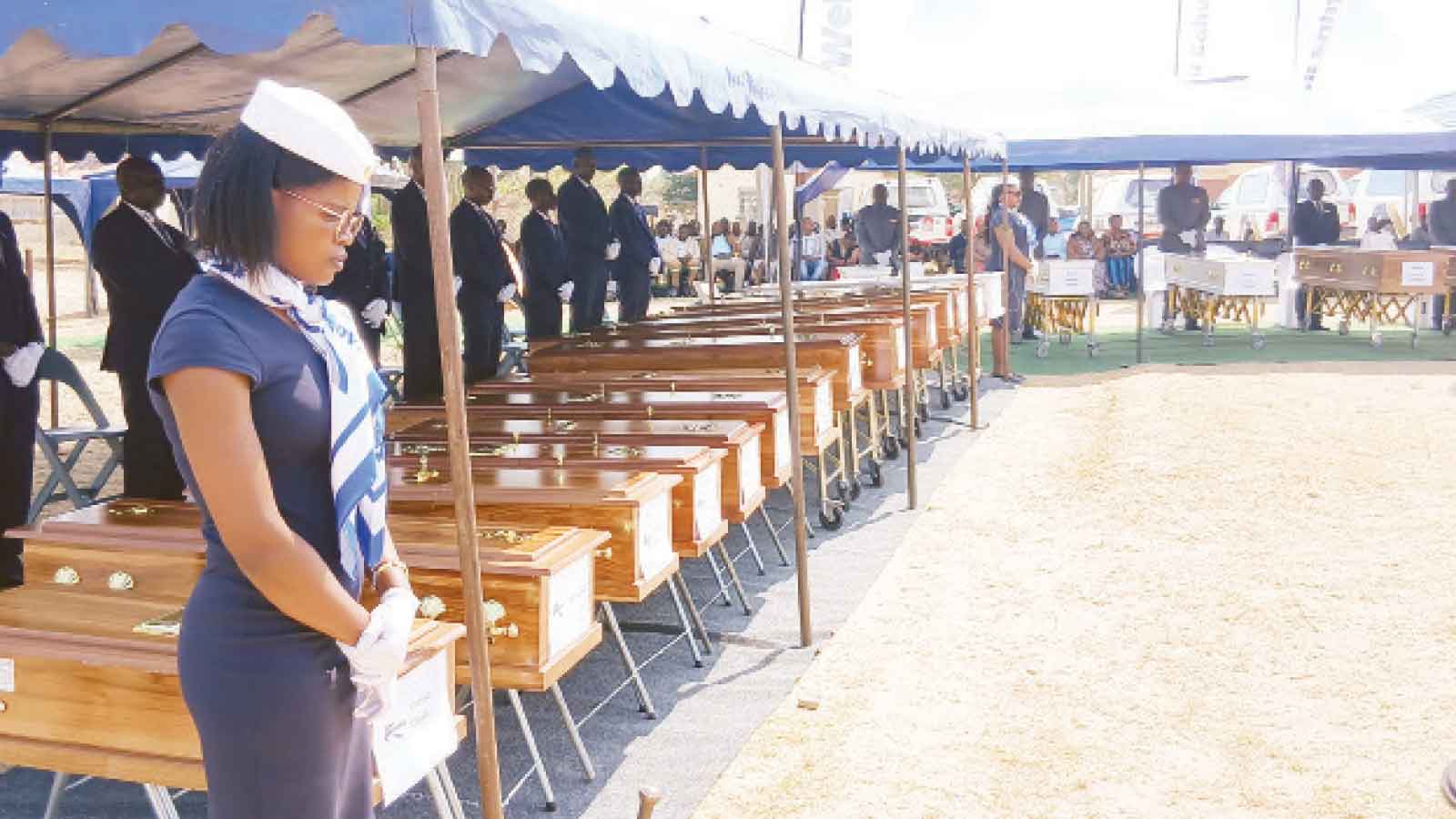
You could sense that the situation was tense, vachibva ipapo vakabva vamachiswa vachidzikwa navo kuzasi musango ndokunouraiwa ikoko.
Q: You speak of the killings with ease, did you just say the people were killed? Why were they killed and how?
A: Vakanga vari vekwaNhari. The atmosphere was bad. It was in the afternoon around 1pm.
Mataure was also there among the group that was killed. It was a nasty experience and I don’t like it.
What I am sure of is that they were not shot because I didn’t hear any gun sounds.
It was just a matter of concluding kuti pamwe vanzi cherai makomba ndokufutsirwa vari vapenyu or they were hanged.
But hanging, ne situation yataiva nayo, could have been difficult because that process needs a lot of time and preparation. I strongly believe kuti vakafutsirwa vari vapenyu.
Why I say so is because we had heard cases of people being buried alive. Such treatment was rife during the war, especially on those suspected to have sold out.
Kana neni ndakanga ndave ne confusion because I had never seen such traumatising events.
Q: Sorry to cut you short comrade, but who really carried out these executions and what happened to the bodies?
A: Like I said, I was still new at the camp, but the people I remember were Cde Munetsi and Ndoda.
Ndoda, after independence, akanga akunzi Mutandadzi and he was shot dead at his farm in Mashonaland Central Province, I’m told, after a disagreement with another farmer.
Ndoda aitozvuzvurudza vanhu and you could see his intention was to instil fear in us.
Aiita semunhu agarwa nemwaya, punching and kicking the ‘rebels’ as he forced them deep into the bush.
Nemaitiro ake, I should be forgiven for confidently saying he participated in the killings.
As of the bodies, we don’t know nekuti hakuna munhu aizoendako kwakanga kwaurairwa vanhu. Besides, zvaityisa kuda kuita such investigations because you risked being suspected of harbouring other motives.
When I got to Chifombo, I got into a crossfire. It was the Détente period after the Nhari-Badza rebellion.
The number of recruits was growing at a fast rate.
With more people coming, there was hunger, shortages of places to sleep and general hygiene issues.
We were resorting to begging food from the villagers in Mozambique. But they ended up shunning us because they would be terrorised by the whites for supporting us.
In the midst of these problems, there was the terror and fear of infiltration by disgruntled fighters coming from the front.
To make matters worse, the vetting system became compromised as people were coming to the camps on their own.
The war had thickened and there were cases, like myself, of people who had gone to Mozambique unaccompanied.
Vanhu vaipandukirana and suspected each other of being infiltrators.
Waiti ukaita munyama wekunzi uri infiltrator that is the end of you.
Vanhu vairohwa zvakasimba, vamwe vaiuraiwa paChifombo during this period as the leaders tried to manage the discontent that had arisen among the fighters.
These are some of the things that are not being said today and we appear to always want to sanitise what was going on during the war.
There was also a situation where those who came through the Botswana-Zambia route were taken to be Zapu.
Those days, Zipra’s war strategy was more conventional; they would attack in Rhodesia and retreat to regroup in Zambia.
Zanla forces were more into ambushes and they would not retreat.
As such, the recruits who were suspected to be Zapu were again tortured and said to be infiltrators. It was just bad or it had turned tribal.
Munhu asina mhosva airohwa kusvika abvuma zvaasingazive achifunga kuti anoregererwa.
But that was not to be, the beatings would even increase uchinzi chera kakomba usvipire mate kuti handichatengesa futi.
That is why even today you see some war veterans who appear to be mad or insane.
It is war trauma. Unfortunately, as a country, we failed to rehabilitate comrades and no one cares about us anymore.
It is more of kungoti handiti the generation is now old, let us leave them to die and that will be a closed chapter.
I remember Webster Shamu was at one time suspected, but akazoponeswa nemamwe macomrades.
We have seen the unseen on this earth. If what I am saying could be seen by people who were not there, I am telling you, we will all understand that the war time was not an easy period.
That is still disturbing our heads up to now.
To be continued next week.



 Online Reporter