Online Reporter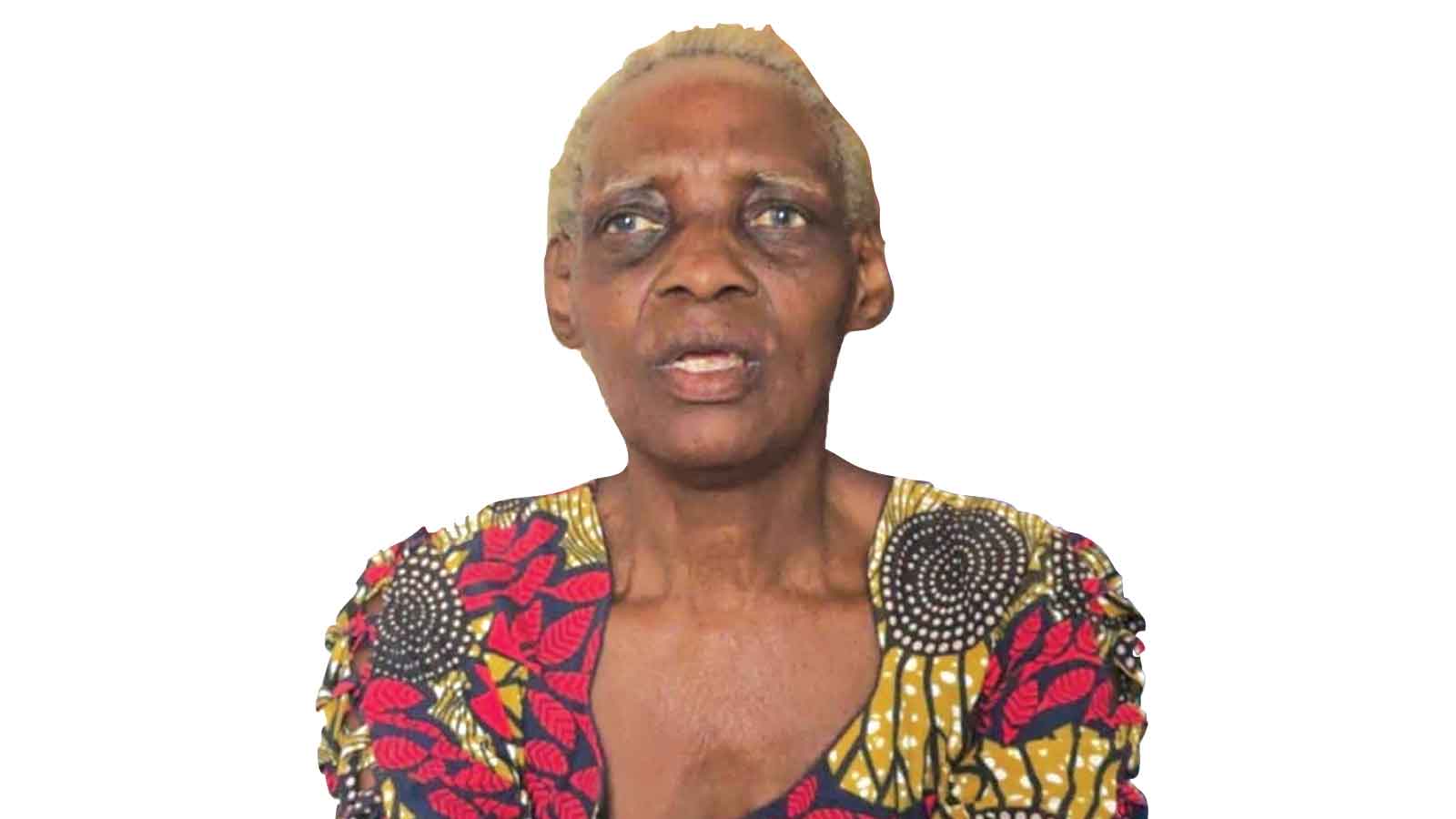
In the last instalment, CDE NANCY MUSIYIWA, also known by her Chimurenga name Cde Muchaneta Mabhunu, described to Zimpapers Politics Hub’s KUDA BWITITI the chilling execution of Sabhuku Chakoma. The village head had attempted to assassinate a group of freedom fighters by offering them poisoned cigarettes in Mt Darwin. This week, she continues recounting the gruelling journey she and 29 other recruits undertook from Mt Darwin to Zambia, guided by experienced freedom fighters.
**************
Q: After the incident involving Sabhuku Chakoma, you mentioned moving to the Mapata area in Mt Darwin. What happened when you arrived there?
A: Mapata is a mountainous region. As we navigated the rugged terrain, we realised that Rhodesian spotter planes were tracking our movements. Climbing those mountains was exhausting. At one point, the fatigue was so overwhelming that many recruits considered giving up and returning home.
However, the trained comrades steadfastly encouraged us to press on. Because the enemy planes were visible overhead, we were given strict tactical instructions to walk separately, scattered and spaced out, so we would not present an easy target for detection.
After trekking for some time, the comrades directed us to a place known as Base Ramukoma. Upon arrival, we were warmly received. The mujibhas and chimbwidos were highly organised. It was evident they had received proper orientation on how to care for freedom fighters and new recruits. They had prepared a massive drum of sadza and food, enough to feed every single one of us, and had even slaughtered a cow in our honour.
At Base Ramukoma, we finally had a moment to rest. I used this to learn more about weaponry and asked one of the comrades to teach me how to fire a gun. However, just as the sadza was about to be served, our sanctuary was shattered. We were ambushed by enemy forces. In an instant, the mujibhas and chimbwidos scattered, fleeing in all directions to avoid the crossfire.
Q: How did you and the group react to this ambush?
A: The seasoned comrades, including Cdes Abel Mabhunu, Machakaire, Mugwagwa, James Bond and Patrick Mupunzarima, immediately shouted for us to take cover. By this time, our group had swelled in numbers. We were joined by other trained cadres, such as Cdes Shumba, Ernest Kadungure and Josiah Ziso, along with their own recruits.
All the recruits dived for cover while the comrades drew their weapons and returned fire with lethal precision. I vividly recall seeing one Rhodesian soldier, who had the audacity to stand right next to the large drum where the sadza was being prepared, get shot. The impact was so severe that he fell backwards, pulling the heavy drum down with him.
After a brief but intense exchange of gunfire, the comrades issued a command to run east. We took off in that direction, with the comrades running behind us, periodically stopping to lay down . . . hold the enemy at bay.
Q: Did the enemy soldiers continue to pursue you?
A: Yes, they did. They used spotter planes to track us, forcing us to use the dense tree cover to hide whenever we needed to catch our breath. But we successfully eluded them. That is how we cleared the Mapata area and continued our trek towards the Mavuradona mountains.
While on the move, Cde Ziso and others took the opportunity to leave us and recruit a group of young women from St Albert’s Mission, whose heroic history is well-known today. We were scheduled to link up with this group of girls later in Mavuradonha. We walked for hours on end. The journey was gruesome, and we later learned with heavy hearts that some of the St Albert’s girls perished along the way, while others were forced to turn back to the school. Miraculously, our core group of 29 recruits — 17 boys and 12 girls — remained entirely intact as not a single one of us died.
We eventually reached a base called Kapiriviri, near Mukumbura, where we stopped for a meal.
After eating, we pushed forward towards the Mukumbura River. We were now dangerously close to the Mozambique border, and the comrades advised extreme caution, as the war in Mozambique, where Frelimo was fiercely fighting the Portuguese colonial forces, was raging nearby. Just before we crossed into Mozambique, we encountered traditional spirit mediums, who provided us with vital spiritual guidance and protection for the journey ahead.
Q: How did you manage to cross into Mozambique?
A: It was the trained comrades who led the way, helping us cross the border undetected. I firmly believe the spiritual guidance we received also worked in our favour. However, upon crossing into Mozambique, we arrived at a homestead that bore the horrific scars of war. The houses had been burnt to the ground and a number of people had been killed. In a deeply disturbing sight, we saw a large drum where the bodies of the victims had been thrown after being boiled.
In that devastated area, we met a Mozambican woman, Cde Sevedzai. She would later become the wife of the late national hero and liberation icon, Cde Josiah Tungamirai.
Q: Which part of Mozambique was this and how did you proceed from Mozambique to Zambia?
A: This was in Tete province, around September or October of 1972. From Mozambique, we crossed the waters of the Zambezi in traditional wooden boats that we called zvimwadiya. Finally, we arrived at Chifombo Base in Zambia. The base was strategically located in the border region between Mozambique and Zambia, within Chief Mwajavantu’s zone in the Eastern province of Zambia.
We were received exceptionally well. By this time, the base was teeming with activity, and we were joined by many other recruits, including some of the girls from St Albert’s who had completed their logistical duties. Our numbers had swelled to about 700 recruits.
It was here that we were addressed by the Chief of Defence at Chifombo, Cde Josiah Tongogara. He introduced us to the Dare ReChimurenga (High Command) and we met the ZANU chairperson, Cde Herbert Chitepo, alongside other prominent leaders such as William Ndangana, John Mataure and Kumbirai Kangai. We received comprehensive orientation, and those who wished to undergo military training were asked to raise their hands.
Q: What were the activities that you undertook at Chifombo Base?
A: We first arrived at Chifombo around November in 1972 and settled in until January. From January onwards, we began our training. We received basic military instruction and some of the comrades who completed their training were immediately deployed to the frontlines. If they were injured in battle, they would return to Chifombo for medical treatment.
Beyond military training, Chifombo was also a centre of learning. Comrades received primary and secondary education from dedicated teachers. Some of the most famous educators at Chifombo were Cde Sheba Tavarwisa and Cde Tendi.
Q: What training did you specialise in at Chifombo?
A: Because of my young age — I was only 16 at the time — the leadership decided that I should not receive training specialising in combat alone.
They recognised that I was intelligent and had the capacity to learn multiple skills, so they decided to mould me into an all-rounder. Consequently, I received specialised training in security, intelligence and medicine.
It was at Chifombo, upon completion of this rigorous training, that I was officially given my Chimurenga name Cde Muchaneta Mabhunu. The name was bestowed upon me by Cde Abel Mabhunu, one of the comrades who had originally recruited me into the struggle.
Following my training, the leadership decided that I would be deployed to Lusaka, where the main ZANU administrative office was located.
Other female comrades in my group who were deployed to Lusaka, and whose names quickly come to mind, include Cdes Revai, Theresa Mbune, Wadzanai Magorira, Handirote, Letwin Smiling, Rudo, Maggie and Tendi, among others. Some of the girls who had been recruited from St Albert’s were also posted to Zambia.
It was in Zambia that I was given the profound responsibility of working directly with the ZANU chairperson, Cde Herbert Chitepo.
Next week, Cde Musiyiwa tells us about her time in Lusaka, how she earned the role of working alongside Cde Chitepo and the pivotal issues she handled at the helm of the liberation movement’s administrative headquarters.