admin
admin
Golden Sibanda Senior Property Reporter
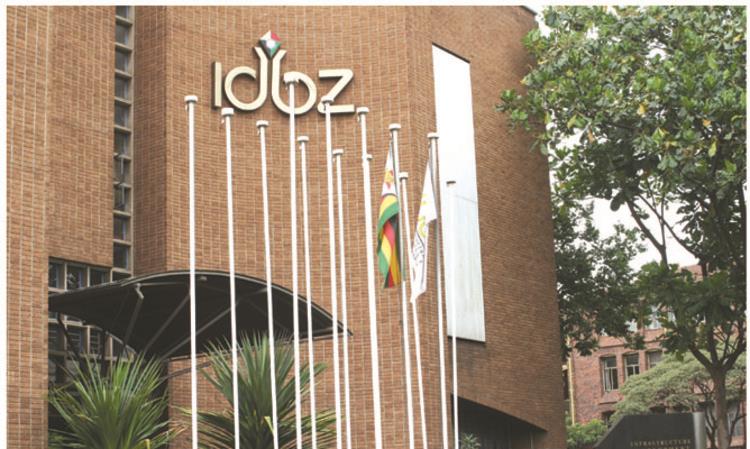
The Infrastructure Development Bank of Zimbabwe says it has completed the development of stands under the $6,7 million Clipsham Views project in Masvingo, where all the stands have since been sold out.
Marketing and public relations executive Priscilla Zvobgo, said recently that Clipsham Views had been completed and IDBZ was now focusing on developing residential stands in other projects across the country. Clipsham Views, the newest and most exciting housing development in Masvingo with beautiful scenic views and unique landscape, targeted developing 704 low density residential stands, 26 service industrial stands, 24 institutional stands and 16 commercial stands.
The residential stands range in size from 1 390 square meters to 2 500 square meters and were being sold at $13 per square meter, with an initial sign-on deposit of 10 percent of total selling price and balance payable over 10 years at an interest rate of 12 percent per annum on the balance.
“We recently concluded a project in Masvingo, Clipsham Views housing, the project is sold out. But we do have projects here in Harare, we have Sumben housing project in Mt Pleasant, we also got a project which we concluded in Marimba, and we also have other housing projects we are working on in Kariba, Bulawayo, Kwekwe and all over the country,” Mrs Zvobgo.
She said IDBZ was currently involved in a number of infrastructure development projects, but because it could not provide solutions to all of the country’s infrastructure challenges, it chose to focus on major areas requiring urgent attention. As such, the State-owned infrastructure development bank picked on energy and power development, water and sanitation, housing, transport and information communication technology (ICTs).
IDBZ, as a development finance institution, focuses on its core mandate of technical capacity in project preparation and packaging, contract negotiation and implementation as well resource mobilisation. Housing is a major problem in Zimbabwe with official estimates indicating that the country has a national housing backlog of 1,25 million on the official housing waiting list.
Most city dwellers live in rented houses and apartments or undesignated areas without basic infrastructure, which exposes them to the risk of diseases such as cholera.
Studies show that challenges to delivery of housing in Zimbabwe entail the difficult process of getting access to land for stand development, high cost of mortgage finance and onerous terms and conditions for home seekers. The difficult state of the economy has also not helped the situation with low disposable incomes and high levels of unemployment making it difficult for home seekers to qualify for housing schemes, which specify high income levels for applicants, which excludes the majority.
Government has, however, responded by offering incentives to financiers in an effort to encourage investment in housing development. There also is legislation compelling institutions that provide readily available source of funding, such as pensions funds, to invest a specific amount of their funds in infrastructure.



 Online Reporter