Online Reporter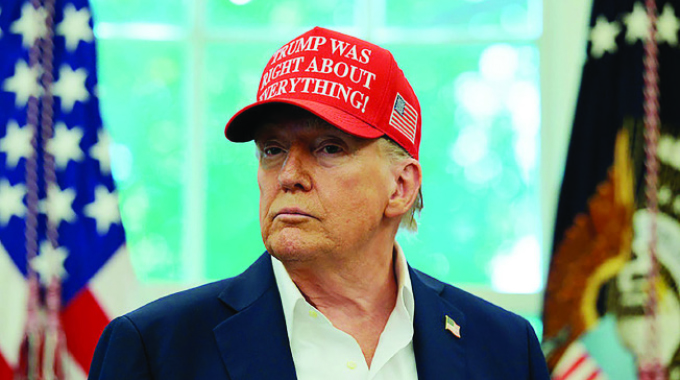
President Donald Trump has warned of disaster if the Supreme Court overturns his signature tariffs.
For starters, it would unleash a bureaucratic nightmare involving reams of refund paper checks. Should Trump’s country-based tariffs be deemed illegal, the US could owe the bulk of the US$165 billion in customs duties collected so far this fiscal year back to companies that paid them.
But they won’t have an easy time getting their money back; refunds are typically issued slowly with paper checks, and while the administration could streamline the process to repay the funds en masse, experts fear that’s unlikely.
Trump has coveted the revenue from tariffs, saying they have made the country “very rich again.” The president and his allies have floated using the money to carry out policy objectives, including paying down the national debt, funding aid for beleaguered farmers, and perhaps even cutting so-called rebate checks for Americans.
That means Trump likely won’t part with the funds easily if the tariffs are struck down, and the administration is expected to move quickly to reimpose levies using other legal authorities if that happens. The Supreme Court is expected to hear arguments in November in the case.
“Customs isn’t just going to hand importers a bunch of money,” said Lynlee Brown, global trade partner at EY.
The suspense over whether — and how — refunds might be issued marks the latest example of uncertainty that has gripped companies and financial markets since Trump launched his tariff regime.
Some importers are writing off the possibility of ever getting their money back if the court rules in their favor.
“I have zero faith we’d ever get anything. Just zero,” said Harley Sitner, owner of Peace Vans, a classic camper van repair and restoration shop based in Seattle. For Sitner, the unpredictability of Trump’s trade war is worse than paying the duties, which he considers a “sunk cost.” After receiving a string of surprise tariff bills totaling anywhere from US$221 to US$17 000, sometimes months after the goods were received, Sitner recently stopped bringing in overseas inventory. — Bloomberg