admin
admin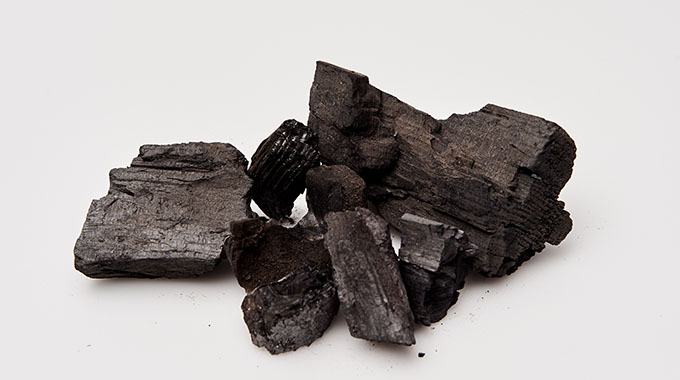
Nqobile Tshili, Bulawayo Bureau
BUBI District in Matabeleland North has become a hotspot for serious hardwood deforestation as communities in resettlement areas are cutting down protected mopane trees to produce charcoal.
The rogue community members are said to be working in cahoots with buyers from Bulawayo who bring trucks to buy the charcoal for resale mainly in that city.
Since January, 10 buyers of charcoal have been arrested in Bubi while in the process of transporting charcoal with the latest arrests last Thursday.
The country’s energy gap has been blamed for fuelling charcoal production as more can be sold in winter when there is increased load shedding due to electricity deficit.
The mopane tree is protected under Statutory Instrument 116 of 2012 and experts have raised concern over charcoal producers targeting the tree with because of its dense wood.
Agencies including Bubi Rural District Council, Forestry Commission, Environmental Management Agency and police are working on the ground to bring the perpetrators to book.
Bubi RDC Environmental Committee chairperson Councillor Ignatius Khabo said the local authority was concerned with the level of deforestation.
“We are recording serious destruction of the environment due to communities that are involved in charcoal making. One of the worst affected areas is Goodwood village in Ward 6 where communities are cutting down big mopane trees to produce charcoal,” he said.
“Since January, working with the police and Forestry Commission, we have arrested 10 people who bring large trucks to buy charcoal from here,” said Cllr Khabo.
“From the first group we confiscated 33 bags while from the second group we confiscated 220 and on Thursday last week we impounded a truck with 90 bags.”
Communities were fuelling environmental destruction as they invited buyers to come and collect charcoal.
Cllr Khabo said the prevailing drought had worsened the destruction as some people sought new sources of income.
“We were aware that charcoal making was happening, but not at the scale that we are witnessing now. We are concerned that if this is not addressed in the next few years, those communities will experience desertification,” said Cllr Khabo.
“Some of the people who come to buy charcoal in bulk are bringing maize in exchange for the charcoal. Big mopane trees are just cut down and the fines seem not to be effective. Some of the people who have been arrested in the past continue to commit the crime as if nothing has happened before.”
Cllr Khabo said the council incurred a lot of expenses, especially as they raid the charcoal transporters who at the end are fined just US$30.
Bulawayo and Matabeleland North Forestry Commission chief forester Mr Armstrong Tembo said the cutting down of trees for charcoal making has become an issue of concern in Bubi district.
“Bubi District used to be a very quiet place in terms of cutting down of trees but lately it is becoming a kingpin district in poaching of trees for the purposes of making charcoal,” he said.
“We are experiencing massive cutting down of trees, especially in areas sharing the border with Nkayi, which have a lot of Mopane trees. Our teams, together with EMA, are on the ground to try and arrest some of the culprits but it is difficult to remove them as the fines are not deterrent enough.
“That is why you see some of the fined individuals continue to be involved in the illicit trade despite having been arrested before,” said Mr Tembo.
He said the highest fine that an individual can get is between US$200 and US$300 and some of the suspects cover the fine through the value of the charcoal.
Mr Tembo said a bag of charcoal sells for US$10 and the charcoal traders are ready to take the risks fully knowing that the fines are low enough to be covered by the sales.
“Let’s say someone is found carrying 300 bags of charcoal and the cost of each bag is US$10, they know that they will cover the cost of the fine through the profits that they will generate,” he said.
“Due to the energy gap in the country there is already a ready market for the charcoal and that is one of the challenges in dealing with this problem.
“With the current drought the crime may even worsen as people seek alternative ways to make a living and the environment is always an easy option,” said Mr Tembo.



 Online Reporter