Online Reporter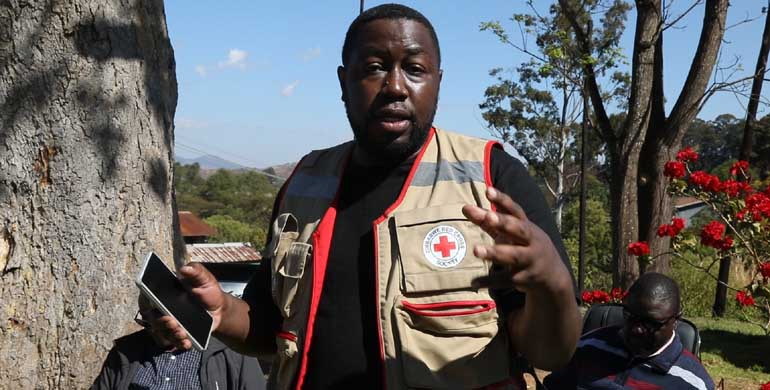
Lovemore Kadzura
Post Reporter
THE cholera outbreak initially detected in Penhalonga has intensified into a provincial health emergency, with officials linking its spread to illegal mining activities, open defecation, unsafe food vending, contaminated water sources, and cross-border movements.
One death has been recorded so far.
Health authorities confirmed yesterday (Thursday) that the outbreak has extended beyond Penhalonga into other districts of Manicaland.
A fatal case in Chipinge has been traced to cross-border transmission from Mozambique, while five confirmed cases and 19 suspected cases are under investigation.
Cholera thrives in environments marked by poor sanitation and inadequate waste management. Transmission accelerates where clean water is scarce, food is prepared under unhygienic conditions, and settlements are overcrowded. Damaged water infrastructure and limited access to ablution facilities further heighten risk, particularly during the rainy season when faecal matter contaminates water supplies.
Manicaland public health authorities raised the alarm amid fears that poor sanitation in the densely populated mining area could accelerate transmission if no urgent interventions are made.
Investigations also revealed that Redwing Mine water pipes are repeatedly vandalised by illegal miners siphoning water for their operations, while Mutare City Council has allegedly rationed supply to Penhalonga over payment disputes with Mutasa Rural District Council, leaving thousands of people at risk.
Food vendors operating in squalid conditions further compound the risk, with faecal contamination identified as a primary transmission route.
Health officials warned that densely settled mining settlements and cross-border movement with Mozambique heighten the provincial outbreak’s potential, while immediate provision of safe water, sanitation facilities, and enforcement against illegal mining are now deemed critical to halt the spread.
Speaking at the hastily convened Mutasa District Civil Protection Committee meeting yesterday, Mutasa District Medical Officer, Dr Arthur Kapfunde, said the cases will continue to rise if no urgent measures are taken.
“Of the 24 reported cases in Manicaland, Mutasa District is contributing half of them, and all are being reported from an area called Sinamone in Penhalonga. As we moved around, we discovered that there is a lot of open defecation, there is no water, and there is widespread unregulated vending. The food is being prepared and consumed where open defecation is taking place.
“Cholera thrives under those scenarios. The cases have spread out of Penhalonga because the sick are seeking treatment in Mutare spreading the disease during their travel. We have set up a 24-hour cholera Treatment Centre at Redwing Mine Clinic so that the affected people are treated locally. We need to engage artisanal miners to curb the spread of the disease. We also need safe supply of water in the area. There is also a lot of unregulated waste dumping in the area and there is need of a proper dumpsite. If we manage to do that we will able to defeat disease outbreak,” he said.
Zimbabwe Miners Federation representative, Mr Lameck Mushayamhara said the Government should compel miners to set up standard ablution facilities at their operations.
“There is no adequate ablution facilities for the thousands of people living in this area. There must be strict enforcement when it comes to open defecation. Those collecting revenue from the artisanal miners should also provide water points close to where mining activities are happening,” he said.
Namib Mine (Redwing) official, Mr Goodlife Chavanga said population density in Penhalonga has sharply increased, putting pressure on ablution facilities, while water infrastructure has been damaged by illegal mining activities, leaving hundreds relying on unsafe sources.
“We used to have a water reticulation system that supplied three villages, but it was damaged by illegal miners. Population has also risen and demand for water and toilets has increased sharply,” he said.
Mutasa District Development Coordinator, Mr Lloyd Kasima called for a multi-stakeholder approach and miners’ cooperation to overcome the outbreak.
“We appeal for all the miners and every resident of Penhalonga to cooperate with health officials so that we defeat cholera. If there is resistance, people can be removed from this area, and we do not want to reach that stage,” he warned.