Online Reporter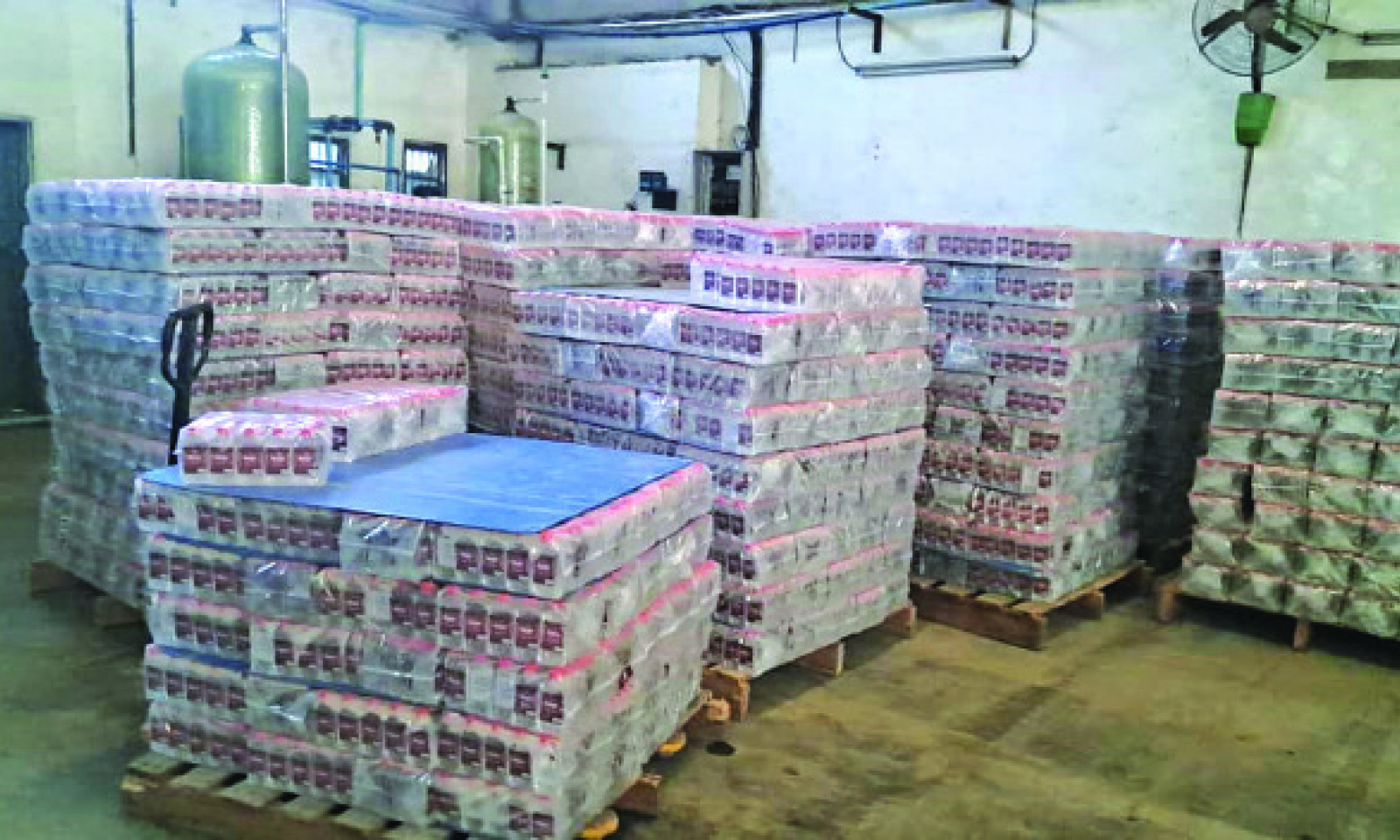
Raymond Jaravaza, Sunday News Reporter
ILLICIT alcohol flooding the villages of Heany Junction in Umguza District, Matabeleland North Province and easily accessible even to underage drinkers, is fuelling a surge in cases of Gender-Based Violence (GBV) in the area.
The illicit brew is not only sold in licensed outlets but also by fellow villagers at anytime and anywhere, making drinking an all-night activity every day of the week.
This was revealed by Mrs Patience Ncube Sibanda at Heany Junction grounds on Tuesday, where villagers, Government officials, gender activists, traditional leaders and survivors of gender-related violence gathered to commemorate the 16 Days of Activism Against Gender-Based Violence (GBV).
Every year, the Government of Zimbabwe, in partnership with the United Nations and the global community, observes the 16 Days of Activism Against GBV from 25 November to 10 December.
Mrs Sibanda said her husband is a prime example of someone who drinks illicit alcohol known as njengu and becomes aggressive towards her and their children.
“The father of my children and husband is very sweet when he comes home after drinking amasese (opaque beer), but I have noticed that he gets a bit aggressive when he drinks njengu. Njengu is being sold right in the villages and is accessible even to children.
“So, we are seeing a rise in Gender-Based Violence here at Heany Junction. The most common cases of GBV that we witness in our villages are when husbands assault their wives and their children as well and the men often do that when they are drunk,” said Mrs Sibanda.
She said in her village in Ward 6, Umguza District, they have put in place a mechanism that allows victims of GBV to report to the local leadership.
“If, for example, a wife is assaulted by her husband or a girlfriend by her boyfriend, they can report the cases to a local village leader who will then call the abuser and address the reasons for that kind of behaviour,” she said.
“Police are called when the woman has sustained injuries, but we have realised that most cases are withdrawn before the court delivers verdicts. The reason for the withdrawal of cases is that most women depend on their husbands or boyfriends to take care of them and the children.”
Mrs Sibanda called upon the Zimbabwe Republic Police (ZRP) to raid homesteads where illicit alcohol is sold.
“Instead of going to work in the morning and fending for their families, most of the men start drinking alcohol as early as 7am.
“Their failure to be breadwinners is one of the reasons they end up resorting to violence when asked by their wives to buy food for the family,” she said.
In line with the objective to spread awareness against GBV and celebrate efforts by other players in the field and survivors, the event drew scores of villagers to share their stories and advise one another on the negative effects of the vice.
Mr Peter Mabhena, a 66-year-old villager who moved to Heany Junction in 2015, said there is a growing trend of young couples being caught in the web of GBV.
“I always tell young men who beat up their wives to imagine how they would feel if the roles were reversed and they were the victims of the violence,” he said.
“These young men spend their days drinking and expect their spouses to respect them even when they fail to take care of their families.”
The international theme for this year’s commemorations is: “UNITE! To End Digital Violence Against All Women and Girls.”
Local Councillor Busisiwe Brown said a majority of villagers are perpetrating digital violence by sending nude pictures of ex-lovers on social media without realising that they are committing a crime.
“Most villagers don’t realise that they are breaking the law by sending nude photos of their former partners on social media out of spite when relationships go sour.
“We are here today to speak out against all forms of gender-based violence, from the physical form to digital violence against women and girls.
“Men are also victims of GBV and their cases must be heard and dealt with, as we cannot avoid taking action simply because it’s men who are being abused,” said Clr Brown.
She said she was particularly worried about growing cases of digital violence against women perpetrated by other women.
“We have seen cases where a woman finds nude pictures of a love rival in her husband or boyfriend’s phone and then starts circulating those pictures as a way of embarrassing the other woman.
“That form of digital GBV is also a crime, and we would like to advise women to desist from engaging in such actions as it will land them in prison,” she said.
Last week, to mark the start of the campaign to end GBV, a roadshow was conducted in the morning at Sokusile Business Centre and Makokoba in Bulawayo.
This year’s focus is on advocating for collective action to dismantle the structural, cultural and institutional barriers that perpetuate violence and exclusion.