Online Reporter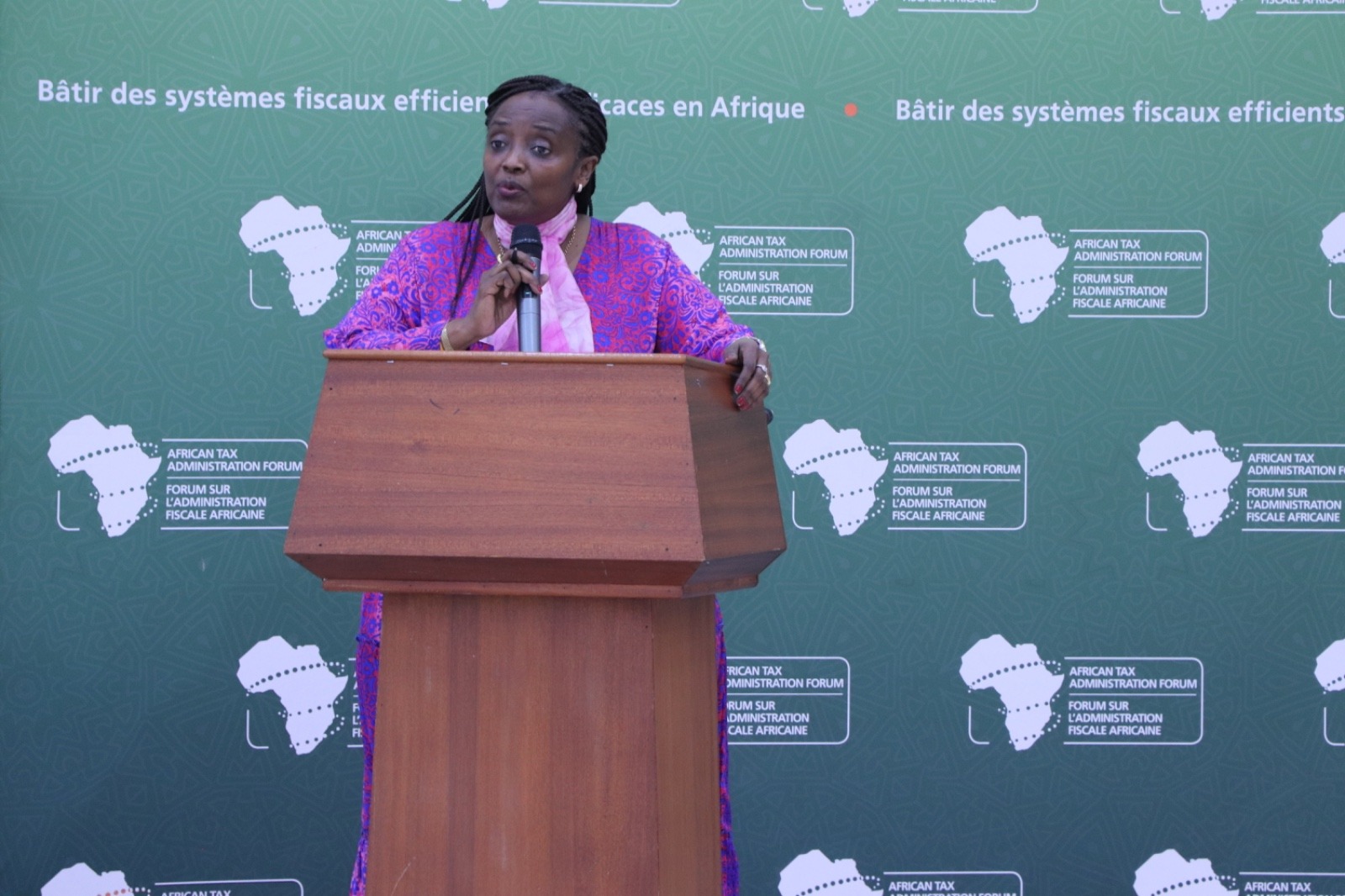
Prosper Ndlovu
THE fight against Illicit Financial Flows (IFFs) is not only about money leaving Africa, but also about the domestic leakages and weak compliance systems that erode national tax bases and undermine the promise of the African Continental Free Trade Area (AfCFTA).
Executive secretary to the African Tax Administration Forum (ATAF), Ms Mary Baine, said this on Tuesday as she opened the 2025 Inaugural Experts’ Roundtable on Illicit Financial Flows in Pretoria, South Africa.
The roundtable brought together leading regional experts and practitioners who have shaped and supported ATAF’s work on tackling IFFs across the continent.
ATAF is a regional tax lobby organisation that offers tax expertise and support to its member countries, including Zimbabwe, in the form of training, short courses, technical assistance.
In her remarks, Ms Baine highlighted that Africa’s ambition under the Compromiso de Sevilla, an agreement signed by nearly all United Nations member states at the Fourth International Conference on Financing for Development (FfD4) in July 2025, to raise all countries above a 15 percent tax-to-GDP (gross domestic product) ratio, move the continental average to 18 percent, and mobilise an additional US$10 billion in domestic revenue by 2030, depends on strong, modern, data-driven tax administrations.
“Illicit financial flows are not just a cross-border problem; they start at home. If our domestic compliance systems cannot close the leaks in our own economies, we will struggle even more against sophisticated schemes across borders,” Ms Baine said.
“That is why ATAF is investing in strong, data-driven tax administrations as Africa’s first line of defence.”
The Compromiso de Sevilla is a commitment to provide a renewed global framework for financing the Sustainable
Development Goals (SDGs), addressing issues like the US$4 trillion financing gap, debt crises, and reforming the international financial system.
Key aspects include increasing funding from multilateral development banks, improving tax transparency, and mobilizing resources for development.
Over the past 15 years, Ms Baine said ATAF’s programmes and expert network have already helped African countries achieve US$5.2 billion in additional assessments and US$2.3 billion in actual collections, demonstrating that African solutions, led by African expertise, can deliver tangible results for domestic resource mobilisation.
The Experts’ Roundtable will now become a core ATAF platform for reflection, peer learning and innovation, starting with IFFs, and expanding over time to issues such as digitalisation, compliance management, legal frameworks, data governance, risk analytics and taxpayer services.
By anchoring global conversations in African realities and evidence, ATAF continues to position itself as the continent’s strategic hub for tax knowledge, technical excellence and impact at scale.
Ends