Online Reporter
Tapiwanashe Mangwiro
THE International Monetary Fund (IMF) has commended Zimbabwe for the progress made in its ongoing policy reforms, aimed at improving economic performance and fostering long-term stability, according to its 2025 Article IV Consultation report.
The endorsement from one of the world’s most influential multilateral lenders represents a significant vote of confidence in Zimbabwe’s evolving economic trajectory.
An IMF staff team led by Wojciech Maliszewski assessed Zimbabwe’s macroeconomic situation from June 4 to 18. In its report, the team praised the authorities for their efforts to curb inflation, strengthen the Zimbabwe Gold (ZiG) currency, and lay the groundwork for sustainable growth.
The IMF highlighted the milestones achieved under Zimbabwe’s continuous policy reform programme, which is expected to entrench macroeconomic stability and promote inclusive growth.
The Government is implementing a suite of economic reforms, supported by tight fiscal and monetary policies designed to manage inflation and stabilise the economy. These include maintaining a high bank policy rate, controlling government expenditure and limiting credit availability. The overarching goal is to curb inflation, stabilise the exchange rate and promote sustainable economic growth.
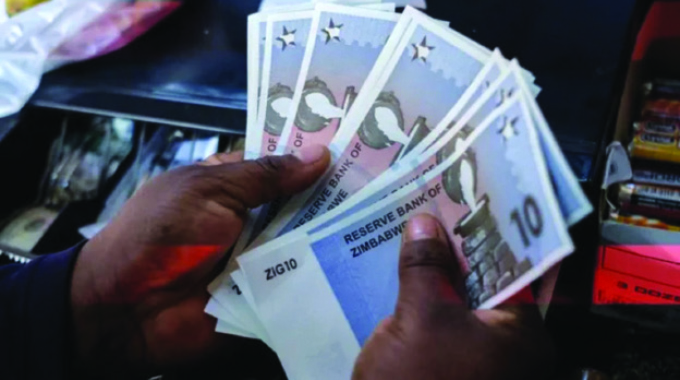
“Zimbabwe is experiencing a degree of macroeconomic stability despite lingering policy challenges,” said Mr Maliszewski, noting that the transfer of quasi-fiscal operations from the Reserve Bank of Zimbabwe (RBZ) to the Treasury, along with tighter fiscal and monetary policies, has helped stabilise the ZiG.
After years of hyperinflation, the volatility of the local currency has eased. Month-on-month inflation averaged just 0.5 percent between February and May 2025, while the gap between the formal willing-buyer willing-seller (WBWS) exchange rate and the parallel market has narrowed to around 20 percent.
“The IMF’s recognition of Zimbabwe’s monetary discipline is a pivotal endorsement. By halting quasi-fiscal operations and tightening liquidity, authorities have anchored inflation expectations and restored confidence among businesses and households. This sets the stage for sound financial planning across the economy,” said economist Gladys Shumbambiri-Mutsopotsi.
Echoing this sentiment, economist Dr Prosper Chitambara added:
“Stabilising exchange rates sends a powerful signal to investors. The IMF’s praise for a stabilised ZiG and a more transparent WBWS mechanism suggests that Zimbabwe is on track to attract both domestic and foreign capital.”
Buoyed by macroeconomic stability, the IMF projects gross domestic product (GDP) growth of six percent in 2025.

This follows a sharp slowdown in 2024, when drought reduced agricultural output by 15 percent and lower commodity prices affected mining.
However, improved rainfall this season, rising global gold prices, and increased mining output are driving a strong recovery. Zimbabwe’s current account has also strengthened, supported by higher export earnings and a narrowing parallel market exchange rate premium.
“Improved climate conditions and buoyant gold prices have injected fresh momentum into key sectors. Agriculture and mining are the backbone of Zimbabwe’s economy, and their resurgence is critical for sustaining momentum,” said Dr Chitambara.
The IMF also noted a sharp rise in revenue to 18 percent of GDP in early 2025, attributed to measures such as reduced VAT reliefs and the taxation of Covid-19-era allowances. However, increased public sector wages, capital expenditure for regional summits, and legacy debt servicing have placed pressure on the budget.
The Fund’s near-term recommendation is for Zimbabwe to close the fiscal gap without resorting to monetary financing or further arrears accumulation, while safeguarding essential social spending.
“Raising revenues is only part of the story. The real test lies in rationalising expenditure, strengthening public spending controls, and ensuring that resources reach priority areas. The 2026 Budget will be pivotal in demonstrating Zimbabwe’s commitment to fiscal prudence,” said Ms Shumbambiri-Mutsopotsi.
Looking ahead, the IMF recommended enhancing the WBWS market through transparent price-setting and a gradual shift towards a market-determined exchange rate. Introducing an effective RBZ deposit facility, phasing in indirect monetary instruments, and managing volatility through selective foreign exchange interventions will further strengthen the central bank’s policy toolkit.
These measures are designed to support Zimbabwe’s long-term goal of transitioning to a mono-currency system by 2030.
“The transition to a single currency demands solid market infrastructure. Transparent exchange mechanisms and full utilisation of Authorised Dealers for export proceeds will promote wider acceptance of the ZiG and reduce dollarisation,” said Dr Chitambara.
Beyond macroeconomic policy, the IMF stressed the importance of governance reforms, particularly within the Mutapa Investment Fund and State-owned enterprises, to mitigate fiscal risks and enhance transparency.
The IMF said strengthening audits, reporting, and disclosure standards for State institutions aligns with international best practices and signals to creditors that Zimbabwe is serious about accountability.
Ms Shumbambiri-Mutsopotsi echoed this view:
“Improved governance is the cornerstone of re-engagement with international partners. Clear, credible financial statements will pave the way for concessional financing and debt restructuring, unlocking resources for development.”
The IMF affirmed its readiness to resume discussions for funding support once decisive policy measures have been implemented. The global lender also pledged to continue providing technical assistance in revenue mobilisation, expenditure control and macroeconomic statistics.
Although commercial funding support remains on hold due to debt arrears and sustainability concerns, the Fund’s active engagement reflects its confidence in Zimbabwe’s reform trajectory.
With macroeconomic stability gaining traction, growth prospects strengthening, and a coherent policy framework in place, the country’s outlook appears increasingly promising. The IMF’s positive assessment paints an encouraging picture — particularly at a time when Zimbabwe’s economy is showing signs of sustained recovery after years of volatility.