Online Reporter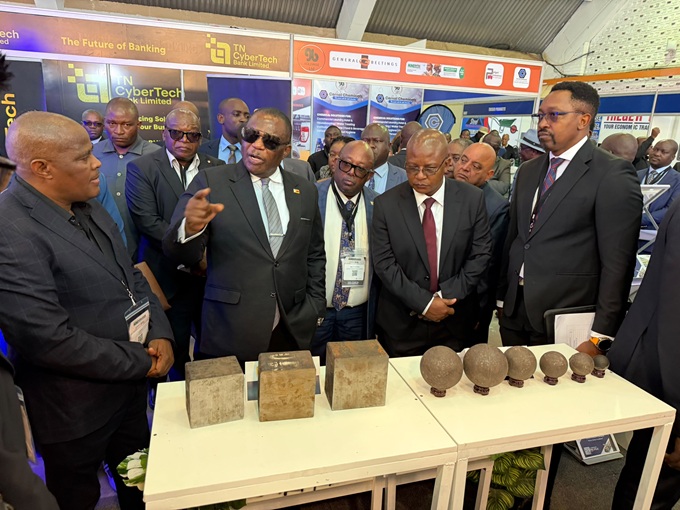
Nqobile Bhebhe [email protected]
THE 29th edition of Mine Entra draws to a close today in Bulawayo having served as a pivotal platform for government officials, mining executives, geologists and industry experts to dissect the opportunities and challenges facing Zimbabwe’s mining sector.
Over the past two days, a clear consensus emerged at the symposium that mineral exploration, critical minerals, investment and local content are the essential pillars required to secure the industry’s long-term growth.
Speakers at the inaugural Exploration Symposium and Suppliers Symposium underscored the urgent need for Zimbabwe to accelerate exploration to unlock its vast, untapped resource base.
They argued that doing so is critical not only to attract fresh investment and secure future production but also to bolster local manufacturing, thereby maximising value addition and ensuring broader economic benefits from the country’s mineral wealth.
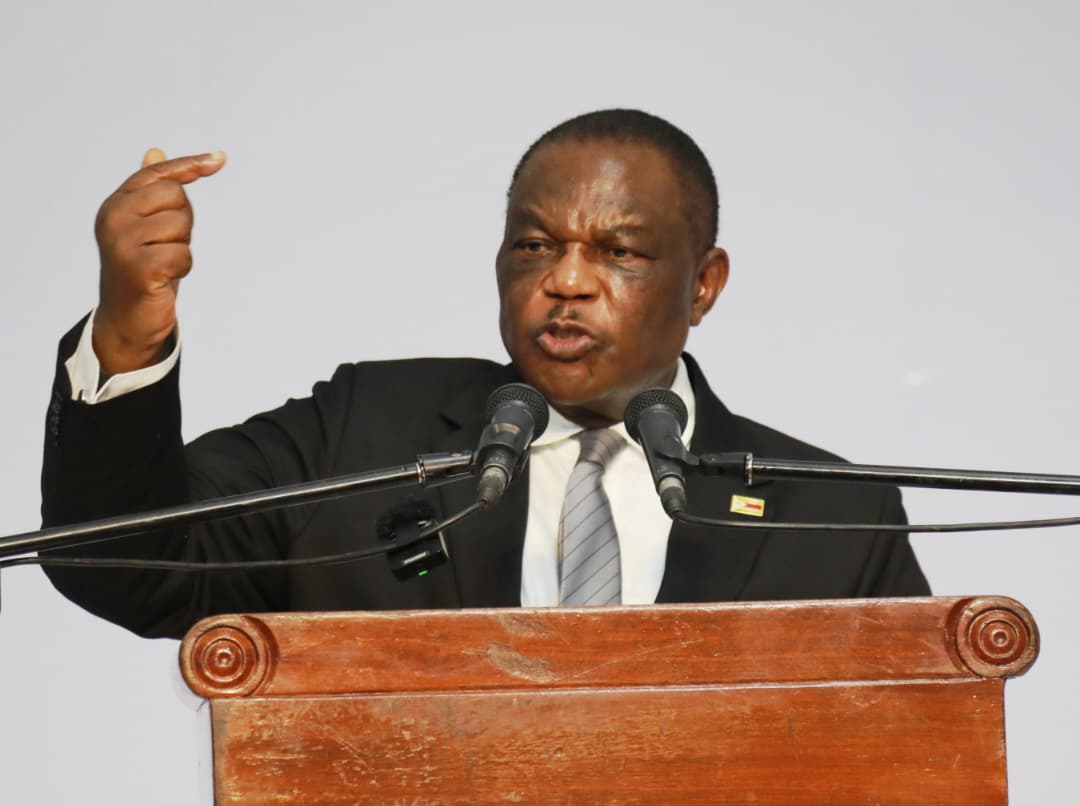
Vice-President Dr Constantino Chiwenga on Thursday set the tone, framing the global shift toward advanced technologies and clean energy as a transformative moment.
He noted that critical minerals including lithium, rare earth elements, graphite, nickel and cobalt are no longer just commodities, they have become strategic resources essential to electric vehicles, renewable energy systems, batteries, artificial intelligence and semiconductors.
“Global demand for critical minerals is rising as nations accelerate towards the Fourth Industrial Revolution,” said Dr Chiwenga.
“These resources now underpin digital transformation, advanced manufacturing, electric mobility, and clean energy. Those who secure these resources today will lead tomorrow’s global economy.”
While acknowledging Zimbabwe’s vast reserves of these minerals as a historic opportunity to become a major player in the global value chain, the Vice-President issued a stark warning.
“We cannot benefit from resources that remain undiscovered, poorly understood, or inadequately quantified. Exploration is the foundation upon which this ambition depends.”
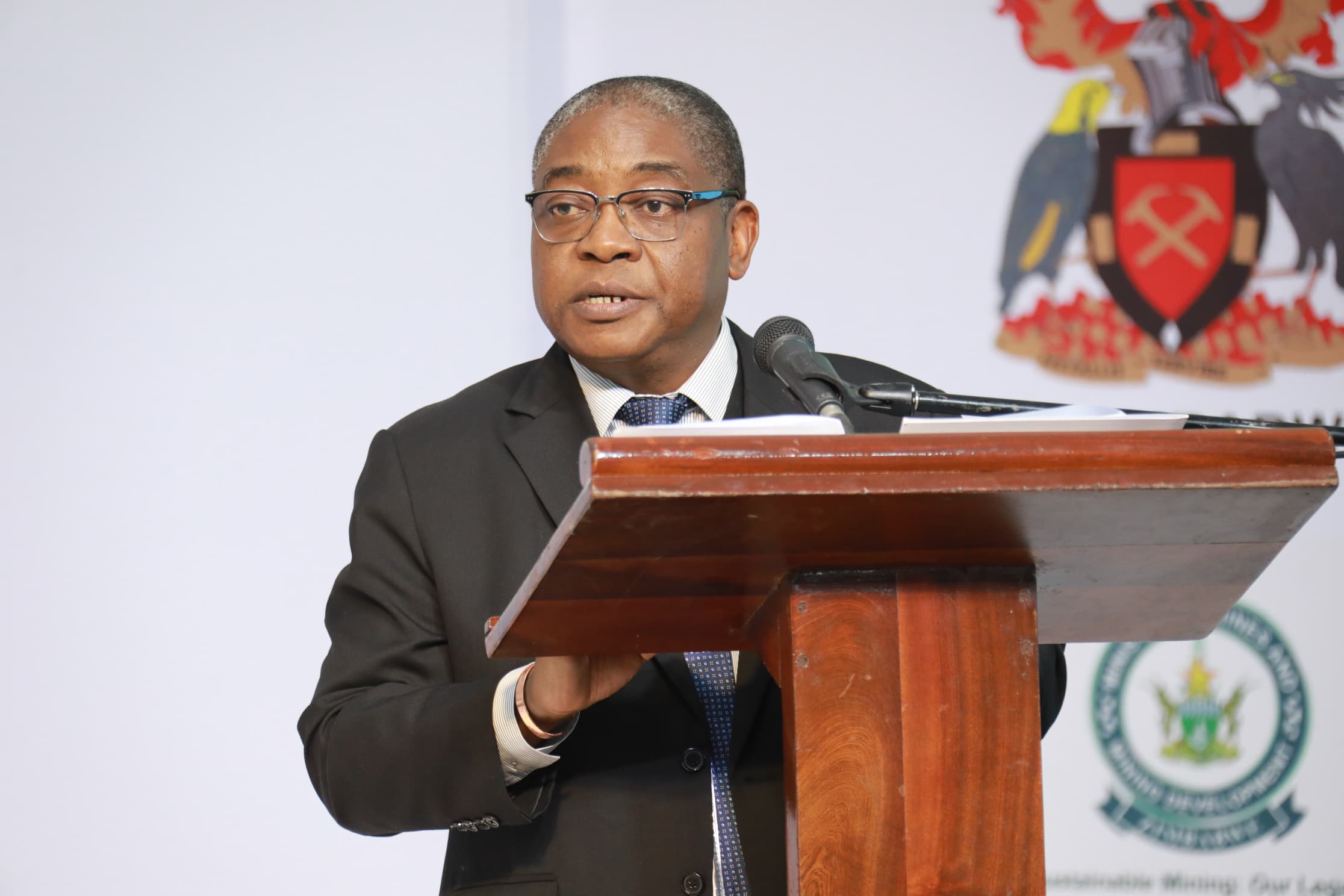
Reinforcing this message, Chamber of Mines of Zimbabwe President, Mr Fungai Makoni described exploration as the bedrock of a sustainable mining industry.
He cautioned that while the sector has seen significant growth over the past decade, much of this expansion has been driven by existing operations rather than new discoveries.
“Exploration is the lifeblood of mining. Without sustained investment, there can be no new mines, no expansion of mineral resources, no long-term production growth and ultimately, no sustainable industry.
“If Zimbabwe is to realise its ambition of becoming a globally competitive mining destination and maximise the value of its mineral wealth, exploration must remain a national priority.”
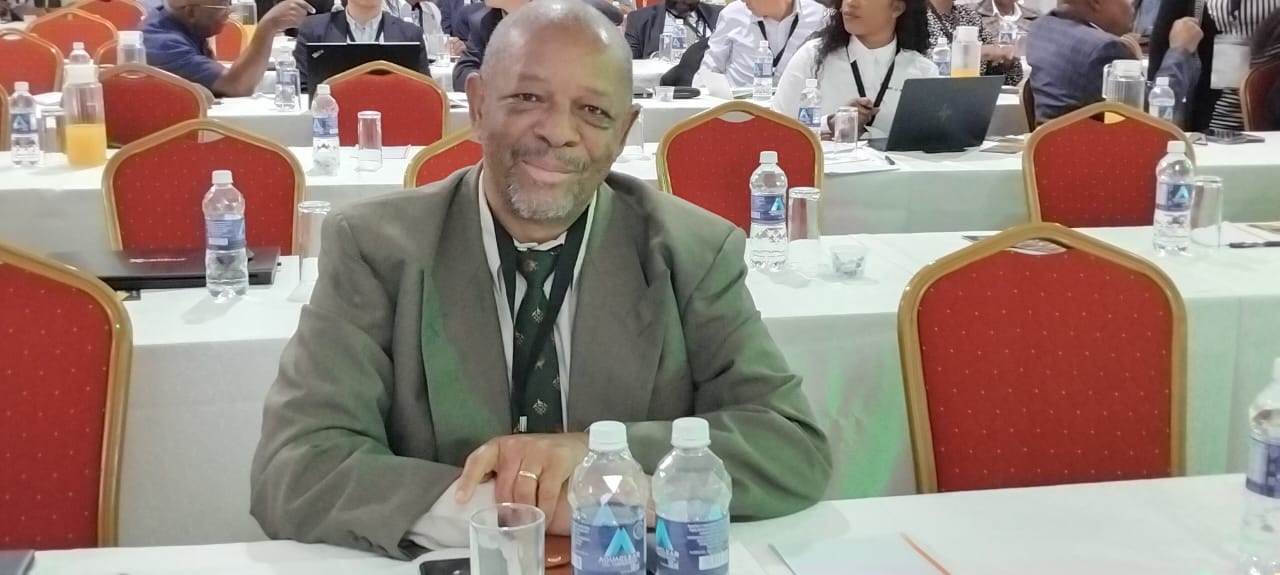
Geologist Mr Kennedy Mthethwa said while celebrating the country’s recent emergence as Africa’s leading lithium producer now accounting for 7 to 8 percent of global output from five operational mines he warned that existing deposits are finite.
“We are very happy to say that we are now producing 7 to 8 percent of global lithium from our five mines,” Mr Mthethwa noted.
“But my question to you is this: after these mines are depleted, where are the next lithium mines?”