Chronicle Editor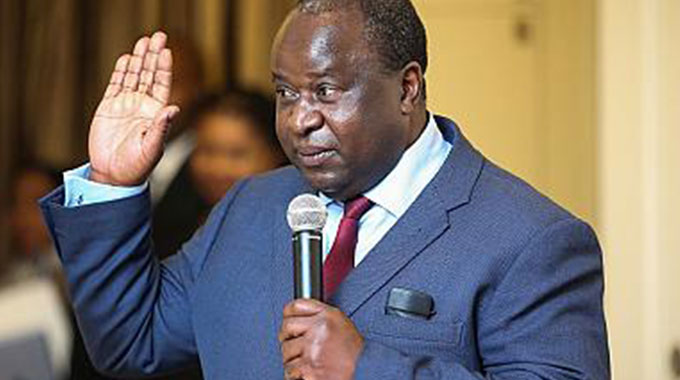
SOUTH Africa’s Minister of Finance Tito Mboweni used his appearance during a virtual parliamentary plenary on Wednesday to quash speculation regarding the $4.3-billion International Monetary Fund loan and its implications for the fiscus, calling this nothing more than “urban legend”.
The adjustments appropriation bill debate, which took place on Wednesday morning, came after National Treasury announced on Monday evening that the IMF executive board approved a loan to South Africa to fight the Covid-19 pandemic, which at current exchange rates amounts to around R70 billion.
Almost immediately, the news was met with speculation by politicians and members of Parliament on social media, questioning why South Africa would need to utilise a loan from the IMF when it was already dispensing a stimulus package. Mboweni used his response to the debate to “emphasise” that the R500-billion stimulus package was composed of different elements, including the R200-billion national loan guarantee scheme, “to keep the oil working on the wheels of the economy”.
He added: “There is an urban legend that the R500-billion package has disappeared. Nothing could be further from the truth. How could R500 billion disappear? There is nothing of the sort. We are working with various entities to give that a better boost.”
Mboweni also took a moment to condemn reports about possible acts of corruption in some of the contracts awarded in respect of Covid-19 treatment. He said he was in discussions with National Treasury Director-General Dondo Mogajane to see how procedures could be tightened in this regard.
“The feeding frenzy going on now in the country, that every tender and contract that that is issued is equal to corruption, is incorrect. It’s incorrect. To assume that a R125-million tender is intended as a gift to somebody else is incorrect,” Mboweni said.
The finance minister said government needed to demystify the public’s perceptions on the loan facilities South Africa has pursued, including the IMF $4.3 billion at an interest rate of 1%, the New Development Bank emergency facility of $1 billion, the African Development Bank loan of R5 billion and ongoing talks for assistance with the World Bank.



 Online Reporter