Business Reporter
The International Monetary Fund (IMF) has reached a staff-level agreement with Zimbabwe on the first review of its 10-month Staff-Monitored Programme (SMP), marking a significant step in the country’s efforts to clear arrears and re-engage with international creditors.
A Staff-Monitored Programme (SMP) is an informal, non-financing agreement between the IMF and a member country.
Successfully meeting the targets of an SMP is often the first step toward more formal IMF financial support and, critically, helps pave the way for debt restructuring and arrears clearance with other international financial institutions.
An IMF team led by Mr Wojciech Maliszewski visited Harare from 9 to 18 June 2026 for discussions with Zimbabwean authorities. The agreement, which is subject to approval by IMF Management, comes as the country’s economy demonstrates resilience despite global headwinds including the Middle East conflict.
Programme implementation through end-March was “broadly satisfactory”, with all quantitative targets met, including those on the primary budget balance, net official international reserves, Reserve Bank of Zimbabwe credit to the non-financial public sector, new external non-concessional borrowing, and ZiG monetary base growth.
However, the IMF noted that one indicative target on protected social and priority spending was missed, highlighting the need for improved budget execution and timely support to vulnerable groups.
Zimbabwe’s economy grew by 8.3 percent in 2025, with momentum continuing into early 2026 driven by a rebound in agriculture, strong mining activity and favourable gold prices. Real GDP growth is projected at approximately 5 percent for 2026, although this is expected to moderate to 4.2 percent in 2027 under the baseline scenario.
Inflation has remained low at about 5.1 percent for 2026, despite higher energy prices, reflecting tight monetary conditions and relative exchange rate stability. The current account is expected to remain in surplus, supported by mining and agricultural exports and remittance flows.
The IMF warned that downside risks remain, including the potential impact of a projected El Niño event, which could moderate growth to the 2-3 percent range, alongside the risk of escalation in the Middle East conflict.
Fiscal performance through March was stronger than expected, supported by robust revenue collection and conservative budget execution. The IMF welcomed the authorities’ commitment to maintain spending within the approved 2026 national budget while saving additional revenues to build buffers for potential food-security needs in 2027.
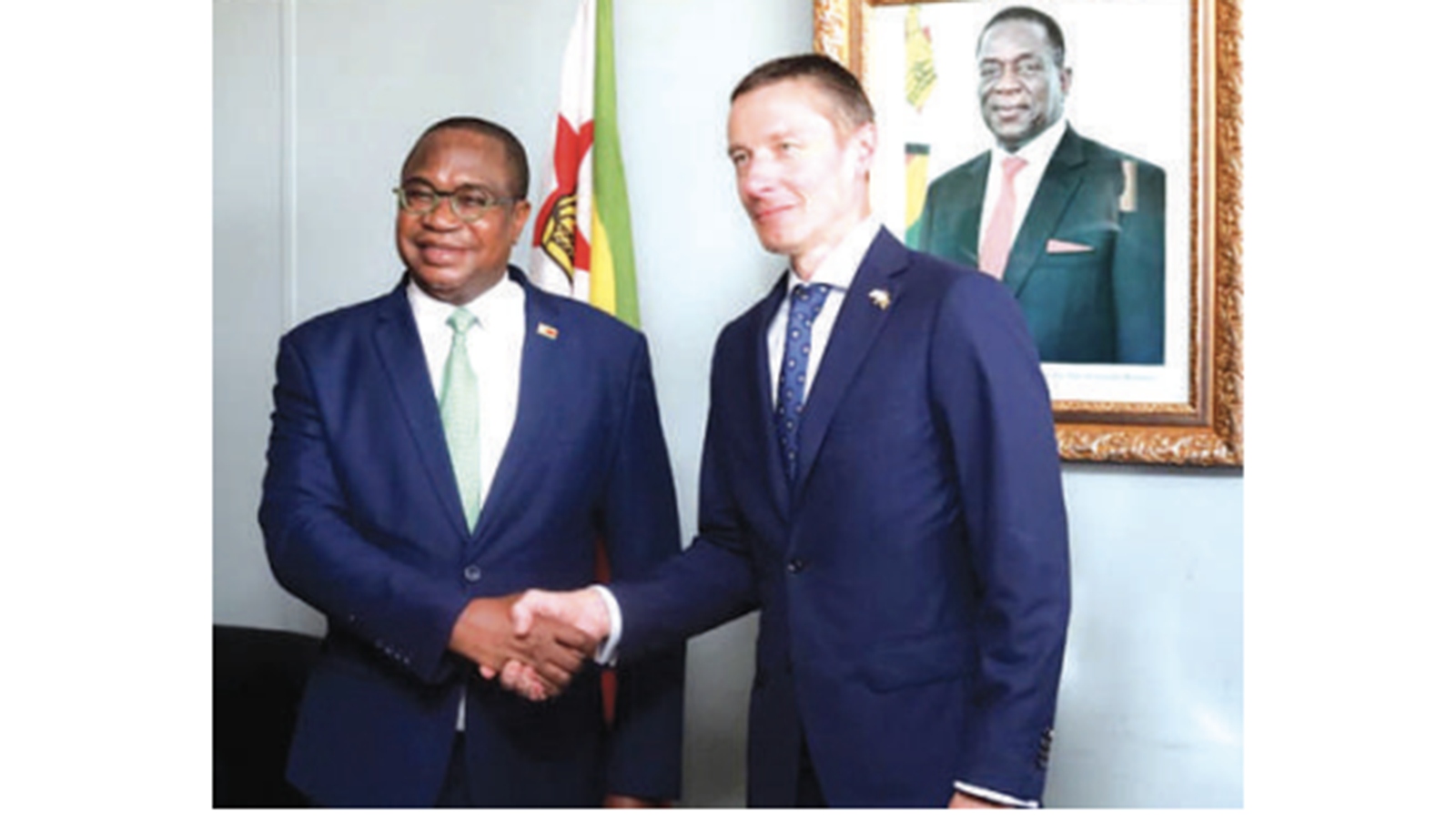
IMF reaches staff-level agreement with Zimbabwe on first review of stabilisation programme