admin
admin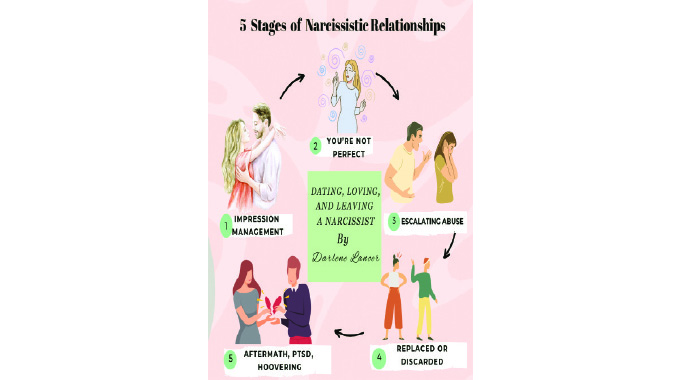
Dr Chido Rwafa Madzvamutse-Mental Wellness
As discussed in previous articles, mental health is defined as a state of well-being in which an individual realises his or her potential, can cope with the normal stresses of life, can work productively and fruitfully, and can make a meaningful contribution to their community.
Our personality traits influence how we see ourselves, how we see and interact with others, and our ability to form and maintain healthy relationships.
Narcissism is becoming a term that is often used but sometimes misunderstood and the impact of narcissism on relationships is often neglected.
What is narcissism? Do I have
narcissistic personality traits?
1. Do you feel more important than others or more superior than others in your life and do you get irritated and upset if you feel people are not treating you as you deserve?
2. Do you crave praise and admiration?
3. Do you often find yourself bragging about your achievements, or exaggerating your successes to look good to others?
4. Do you struggle with feeling for others, recognising and meeting the needs of others?
5. Do you often take advantage of others or manipulate others to get your way and if you cannot get your way. Do you become angry, harsh, or critical?
6. Do you often feel sad or discouraged if you fail to get consistent recognition and praise?
7. Do you find yourself blaming everyone else for the mistakes and failures you have made?
8. Do you avoid situations or challenges where you may fail and do you secretly struggle with a fear of failing and losing respect and admiration?
How does narcissism affect
relationships?
Narcissistic traits can make it difficult to form and maintain healthy relationships with partners, family members, and friends.
It is difficult to care about someone who constantly disregards the emotions of others and is incapable or unwilling to meet the needs of others. Consequently, the impact of narcissism on relationships can be:
Emotional turmoil and chaos
in the relationship
Someone struggling with narcissism may swing between placing loved ones on a pedestal and showering them with praise and then suddenly changing and treating the same person with contempt. This creates a chaotic environment for that relationship and can be emotionally traumatising and exhausting.
Emotional, verbal, and
physical abuse
Someone with narcissistic personality traits can become abusive to their partner or family members, especially if they feel they are not getting the praise and admiration they deserve. Manipulation, domination, and control cannot build a healthy relationship.
Selfishness and self-centredness
It is difficult to be in a relationship with a person who is not empathic or considerate of the needs of another. Relationships should be reciprocal and mutually beneficial.
Abnormal power dynamics
The constant demand for praise by someone with narcissistic traits and the work required of their partner family member or friend to provide this praise and admiration can create a skewed power dynamic in the relationship. It is also emotionally and mentally exhausting.
Gas lighting
The invalidation of the thoughts, emotions, and experiences of another is a common behaviour of someone with narcissistic traits and can destroy the self-esteem and confidence of the other party.
I am in a relationship with a narcissistic partner, how can I cope?
Acknowledge your emotions and experiences as valid.
Disengage from highly emotional discussions or disagreements, and manage your responses, some may be a potential trigger but you do not need to get triggered.
Accept that we do not change others, you will not be able to ever behave in a perfect way that will make your partner or family member change to become a better person, that is their choice.
Set and communicate firm boundaries for your emotional health and well-being.
Consider your options going forward, is this a healthy, life-giving relationship?
If you think you or someone that you know may be experiencing a mental health problem linked to narcissism, please contact your nearest healthcare provider and get help.
Association of Health Care Funders of Zimbabwe (AHFoZ) article written by Dr Chido Rwafa Madzvamutse, consultant psychiatrist.
Feedback (Dr Chido Rwafa Madzvamutse +263777727332) (www.ahfoz.org; [email protected])



 Online Reporter