

 admin
admin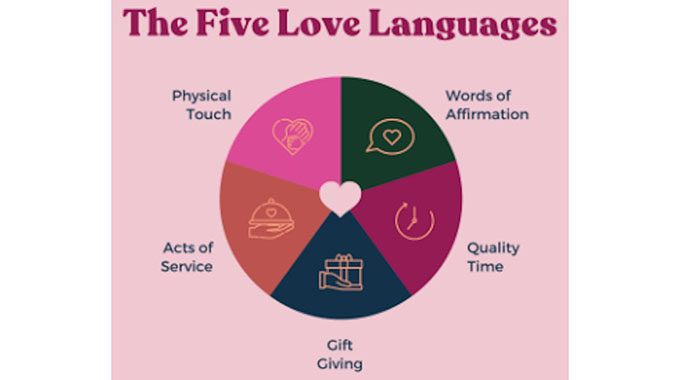
Laina Makuzha
“Everybody needs love…” so goes a song by Israel Houghton that got me thinking about where I stand regarding this, and I must say I totally agree, even though there are those who may not know, realise nor admit it. Relationships of various types play a vital role in our lives, as humans we are naturally relational. That just means acknowledging the “interconnectedness of human nature” and the important role that relationships play in daily life.
Generally humans are wired to connect with others on an interpersonal and emotional level and strong, fulfilling relationships help people maintain emotional well-being and sometimes even physical and mental health. But these relationships need commitment, and work in order to shape into what we truly want them to be.
When we feel disconnected from the people we love or care about — whether family, friends or romance — life can be a lonely place and it’s no wonder some people lose all hope. However, relationship experts and counsellors have tips and advice to help maintain healthy fulfilling relationships. I always find we can never learn enough and it helps to continually seek ways to do what we can, to have sound relationships.
Marriage counsellor, international speaker and author, Gary Chapman speaks of five primary love languages that humans have in relationships and gives simple and effective ways to strengthen your connections, in order to experience greater joy and harmony in all of your relationships.
Chapman believes people speak different love languages and from his many years of marriage counselling, he concludes that there are five emotional love languages — five ways that people speak and understand emotional love.
Chapman believes that, once you identify and learn to speak your spouse’s primary love language, you will have discovered the key to a long-lasting, loving marriage.
The Five Big Ideas
Love is seen in so many ways by different people. Some loath it, some believe in it and yet others sit on the fence about it. One unspoken myth was that if we are really in love, it will last forever. However, truth is, once the experience of falling in love has run its course, we return to the world of reality and begin to assert ourselves. This is where some people are shocked and might agonise or be conflicted about the changes they feel or changes they see in their spouse.
Some couples believe that the end of “bliss’ or “in-love” or honey moon phase as some would call it, means they have only two options: a life of misery with their spouse or jump ship and try again with someone else.
However, if we can recognise the “in-love” experience for what it was — a beautiful but temporary emotional high — we can be better prepared to then pursue and cement the long lasting “real love” with our spouse.
One way to build stronger relationships is through paying attention to your partner- for instance your partner’s complaints are the most powerful indicators of their primary love language.
Relationship experts have often stressed that there’s nothing more powerful in a relationship than loving your partner even when they’re not responding positively. Unconditional love seems therapeutic and can result in tremendous change in a partner.
Chapman’s 5 Love Languages are Words of affirmation, Quality time, Receiving gifts, Acts of service and Physical touch
Chapman is convinced that keeping the emotional love tank full is as important to a marriage as maintaining the proper oil level is to an automobile. When your spouse’s emotional love tank is full and they feel secure in your love, the whole world looks bright and your spouse will move out to reach their highest potential in life.
Verbal compliments, or words of appreciation, are powerful communicators of love.
Giving verbal compliments is one way to express words of affirmation to your spouse. Another dialect is encouraging words. We must first learn what is important to our spouse. Only then can we give encouragement. Sometimes our words say one thing, but our tone of voice says another.
Love is a choice and cannot be coerced.
Each of us must decide daily to love or not to love our spouses. If we choose to love, then expressing it in the way in which our spouse requests will make our love most effective emotionally.
People tend to criticise their spouse most loudly in the area where they themselves have the deepest emotional need. Don’t make the mistake of believing that a love language that appeals to you, has the same value or impact on your spouse.
If your mate’s primary love language is quality time, your spouse simply wants you, being with them, spending time. Spending time with your mate communicates that you care about each other, that you enjoy being with each other, that you like to do things together.
One of the most common dialects is that of quality conversation. By quality conversation, Chapman means sympathetic dialogue where two individuals are sharing their experiences, thoughts, feelings, and desires in a friendly, uninterrupted context. One great thing about this book is it offers very practical ways that one could even implement and experience the change and positive results.
We can choose to live today free from the failures of yesterday.
The essential ingredients in a quality activity are: At least one of you wants to do it, and that the other is willing to do it. Both of you know why you are doing it — to express love by being together, doing fun stuff together.
A gift is something you can hold in your hand and say, “Look, he was thinking of me,” or, “She remembered me.”
Sam Thomas Davies, an English-born Swedish content expert puts it this way: “Physical presence in the time of crisis is the most powerful gift you can give if your spouse’s primary love language is receiving gifts and says most sexual problems in marriage have little to do with physical technique but everything to do with meeting emotional needs.
By acts of service, Chapman means doing things you know your spouse would like you to do.
If your deepest pain is the critical, judgmental words of your spouse, then perhaps your love language is words of affirmation.
Chapman suggests three ways to discover your own primary love language:
- What does your spouse do or fail to do that hurts you most deeply? The opposite of what hurts you most is probably your love language.
- What have you most often requested of your spouse? The thing you have most often requested is likely the thing that would make you feel most loved.
- In what way do you regularly express love to your spouse? Your method of expressing love may be an indication that would also make you feel loved.
Almost never do two people fall in love on the same day, and almost never do they fall out of love on the same day. Chapman calls this “The disequilibrium of the ‘in-love’ experience.”
Even though everybody needs love – love may not be the answer to everything, but it surely creates a climate of security in which we can seek answers to those things that bother us.



 Online Reporter