Judith Phiri
THE Minister of Finance, Professor Mthuli Ncube, has proposed reducing the Intermediated Money Transfer Tax (IMTT) rates on both local and foreign currency-denominated transactions as part of measures to ease the tax burden on businesses and individuals.
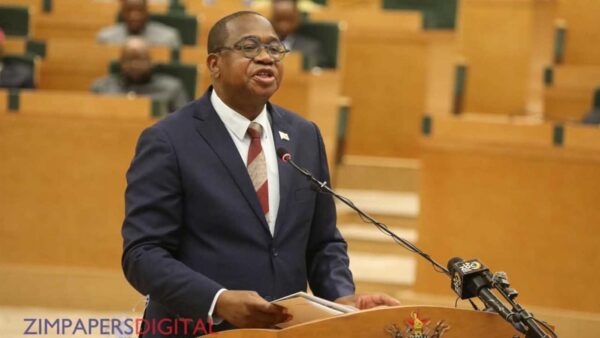
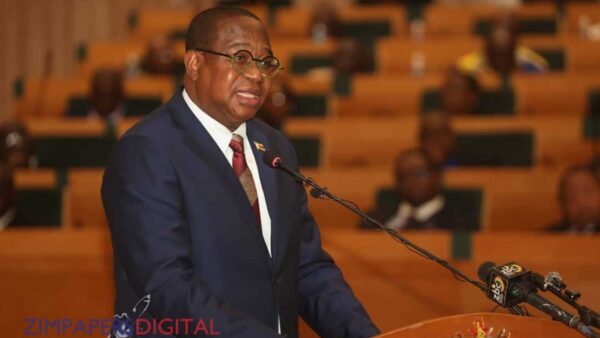
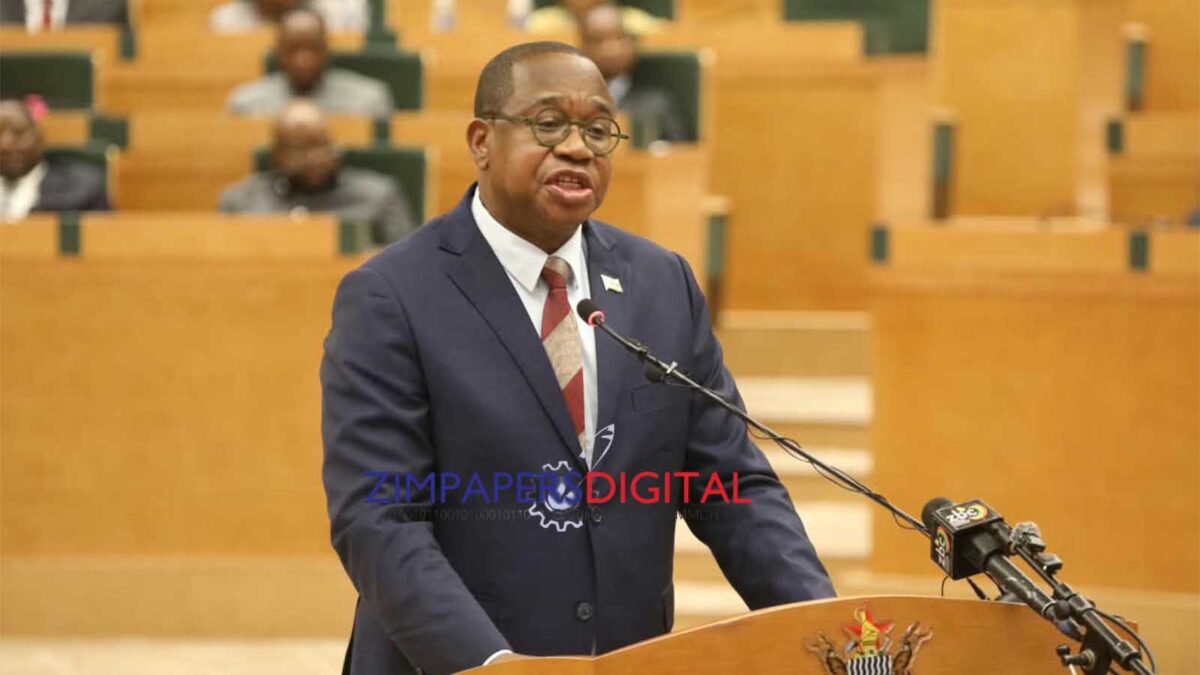
Presenting the 2027 National Budget at the New Parliament Building in Mount Hampden, Harare, on Thursday, the Minister said, in line with Government’s commitment to gradually review IMTT, he was proposing to adjust the rates downwards.
“I propose to adjust the IMTT rates as follows: reduce the rate on ZiG-denominated transactions from 1,5 percent to 1,25 percent and reduce the rate on foreign currency-denominated transactions from 2 percent to 1,75 percent,” he said.
Commenting on the proposed changes, economic analyst Reginald Shoko said the IMTT reduction was aimed at encouraging the use of ZiG by making digital transfers in the local currency cheaper than those in US dollars, thereby supporting de-dollarisation.
He said the adjustment would also provide relief to consumers and small businesses through lower charges on mobile money and bank transfers.
Zimbabwe National Chamber of Commerce (ZNCC) Matabeleland Chapter former vice-president and businessman Louis Herbst said the reduction in IMTT rates was a positive step and demonstrated Government’s willingness to progressively review the cost of transacting within the economy.
“Reducing the rate on ZiG transactions from 1,5 percent to 1,25 percent and foreign currency transactions from 2 percent to 1,75 percent offers some relief to businesses and consumers.
“I believe this process should continue progressively. Lower transaction costs can encourage greater use of formal financial channels, stimulate digital payments, improve liquidity and support SMEs,” he said.
Mr Herbst said the ultimate objective should be to make it easier and more affordable for money to circulate within the economy.
He said increased economic activity, formalisation and a broader tax base could, in the long run, be just as valuable to Government as higher rates of taxation.
Progressive tax reform, supported by economic growth, was a win for both Government and citizens, he said.
The reduction in IMTT rates is expected to bring several potential economic benefits, including lowering the cost of doing business, as companies will pay less tax on electronic money transfers.
This could help reduce operational expenses, particularly for small and medium-sized enterprises (SMEs) that conduct frequent transactions.
Consumers could also benefit by retaining more of their money when making electronic payments and transfers, potentially improving their disposable incomes.
Lower transaction costs could further encourage the use of digital payment platforms, as high charges have the potential to discourage individuals and businesses from using formal banking channels.
SMEs, which often operate on tight profit margins, could also benefit from reduced transaction costs, allowing them to redirect resources towards stock purchases, business expansion and other operational requirements.
Other potential benefits include improved financial inclusion, as lower transaction costs could make formal financial services more accessible and affordable, particularly for low-income earners and informal traders.
By reducing the cost of moving money, the measure could also improve cash flows across businesses and stimulate commercial activity.