Chronicle Editor
Stanford Chiwanga, Online News Editor
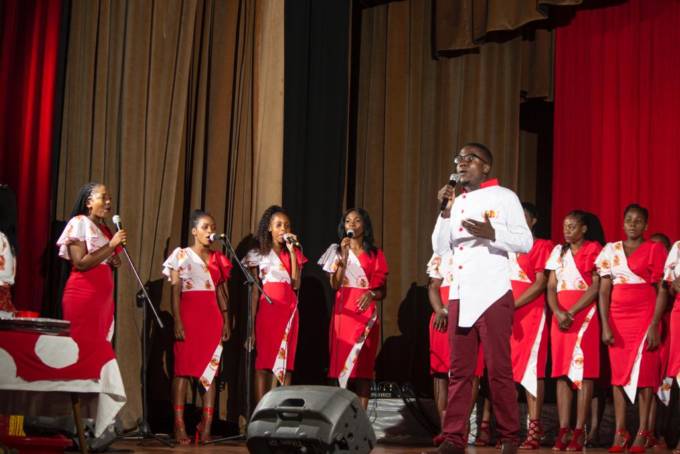
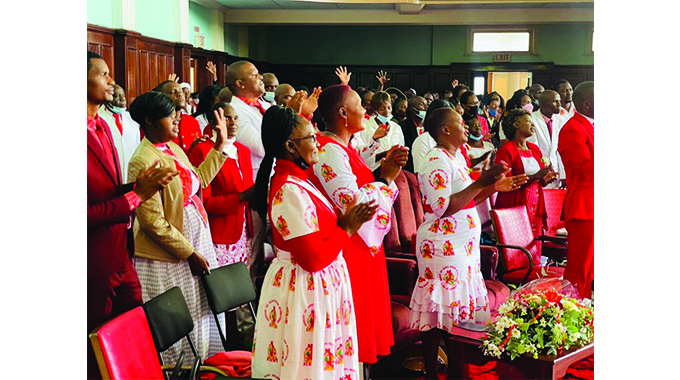
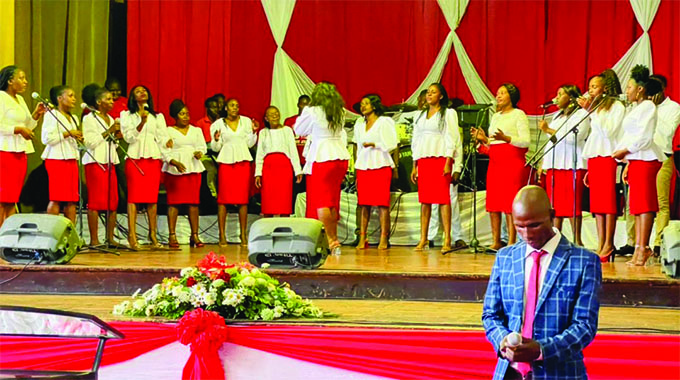
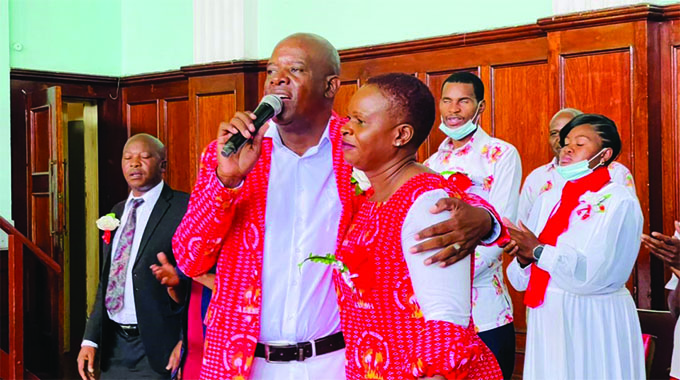
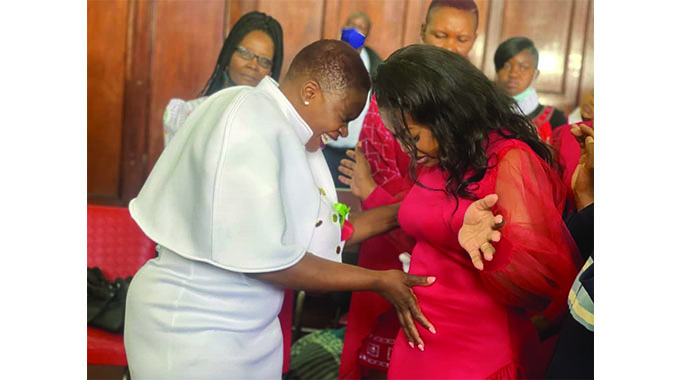
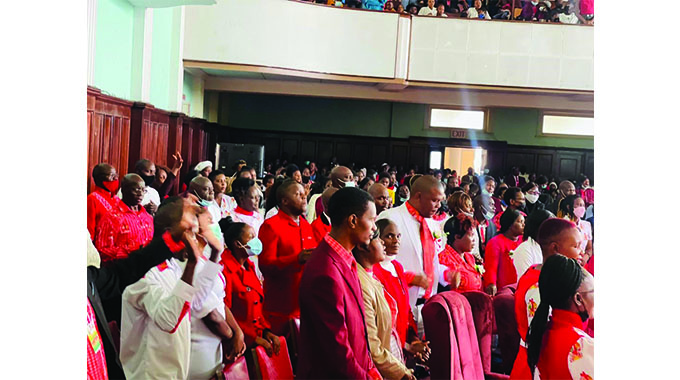
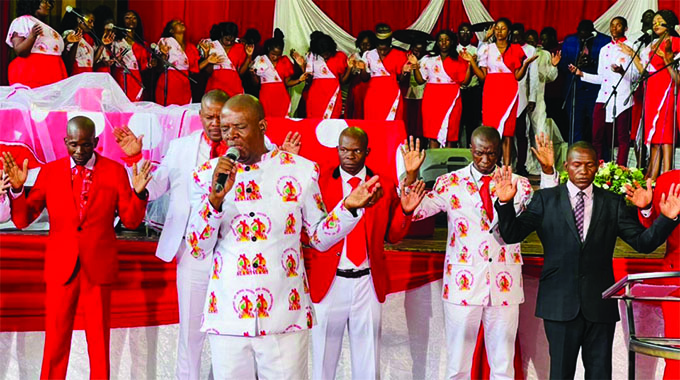
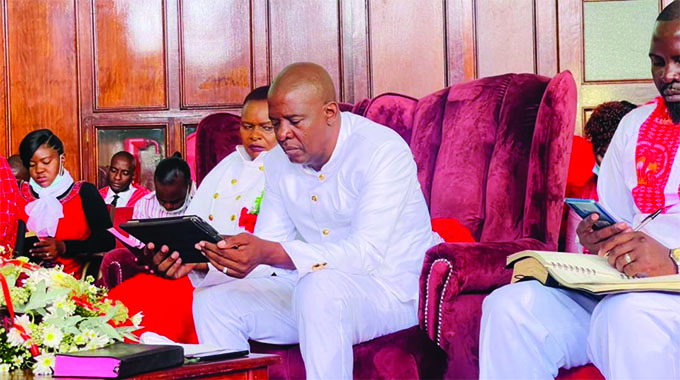
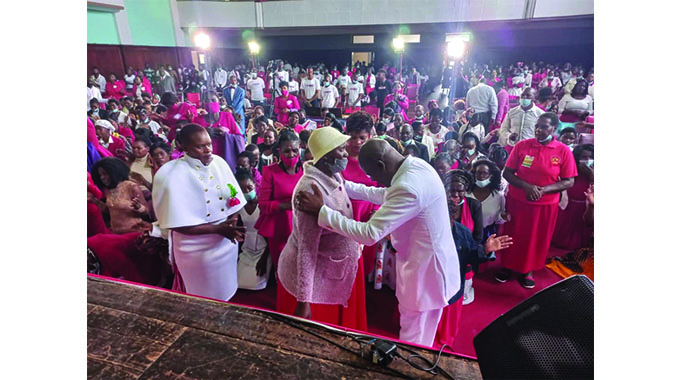
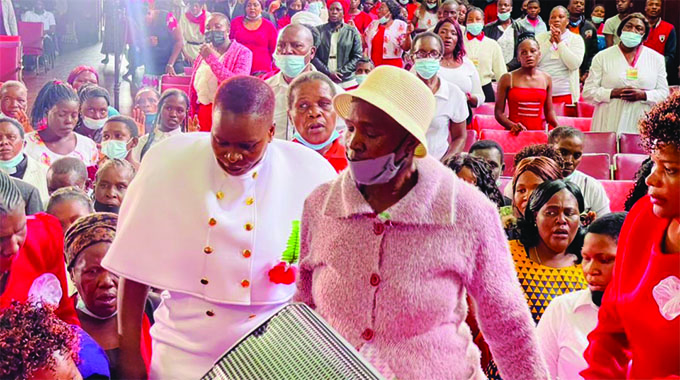
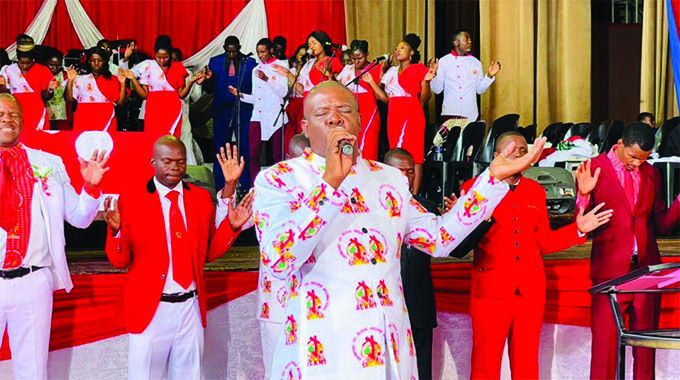
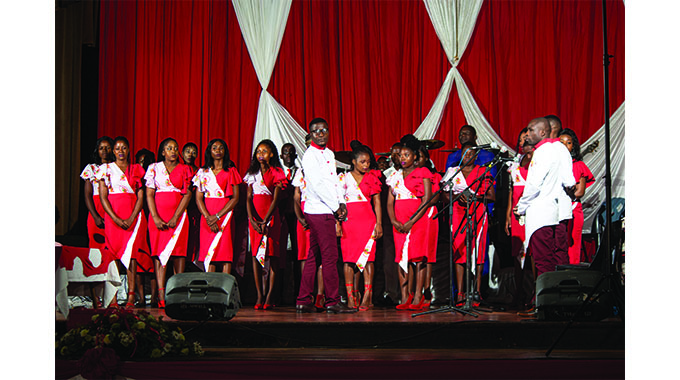
ABUNDANT Life Ministries church last weekend held its Easter conference at the Bulawayo Large City Hall where the headline preacher was founder and lead pastor, Prophet Itai Ukama.
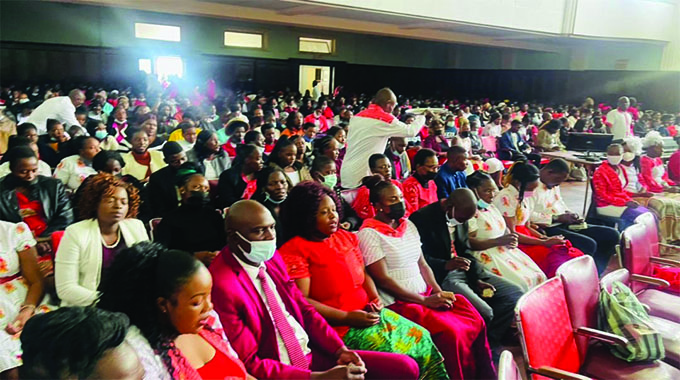
Over 500 people attended the conference.
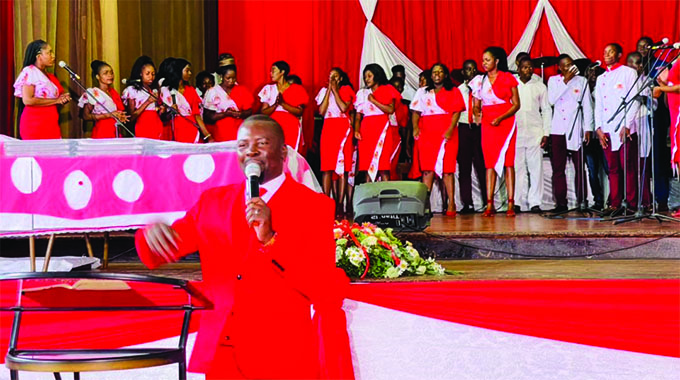
The conference was punctuated with praise and worship, prayers, preaching, healing, miracles and prophesies.
It started on Friday 15 April and ended on Sunday, 17 April.
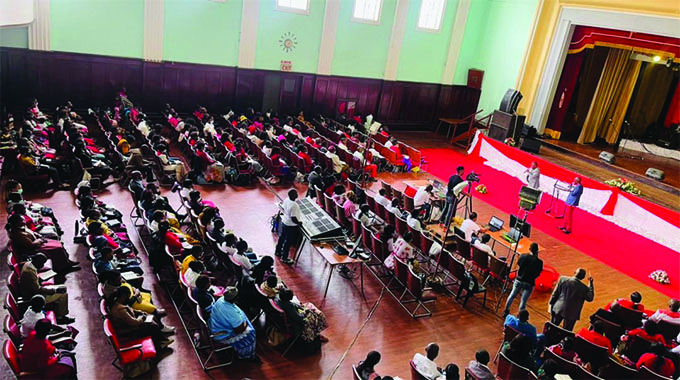
The theme of their fellowship was “Talitha cumi”, which means little girl arise.
Easter, also called Pascha or Resurrection Sunday, is a Christian festival and cultural holiday commemorating the resurrection of Jesus from the dead, described in the New Testament as having occurred on the third day of his burial following his crucifixion by the Romans at Calvary in 30 AD.
It is the culmination of the Passion of Jesus, preceded by Lent (or Great Lent), a 40-day period of fasting, prayer, and penance.
The English word Easter, which parallels the German word Ostern, is of uncertain origin. One view, expounded by the Venerable Bede in the 8th century, was that it derived from Eostre, or Eostrae, the Anglo-Saxon goddess of spring and fertility.

This view presumes—as does the view associating the origin of Christmas on December 25 with pagan celebrations of the winter solstice—that Christians appropriated pagan names and holidays for their highest festivals. Given the determination with which Christians combated all forms of paganism (the belief in multiple deities), this appears a rather dubious presumption.
There is now widespread consensus that the word derives from the Christian designation of Easter week as in albis, a Latin phrase that was understood as the plural of alba (“dawn”) and became eostarum in Old High German, the precursor of the modern German and English term. The Latin and Greek Pascha (“Passover”) provides the root for Pâques, the French word for Easter.
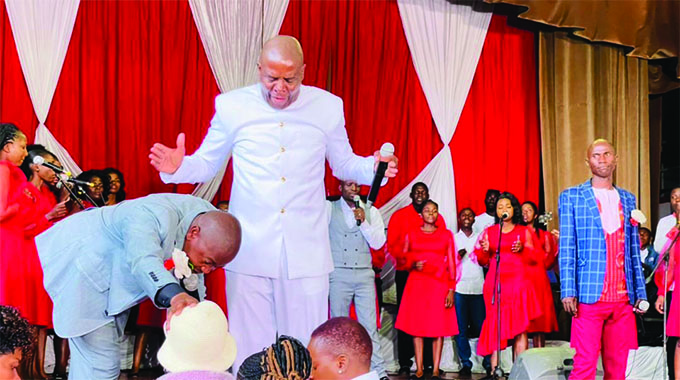
“There is controversy around Easter. Some say it is a pagan holiday and it celebrates a pagan god, but for us, it is a time to celebrate our redemption. It is the most important holiday, more than Christmas,” said Prophet Ukama.
Fixing the date on which the Resurrection of Jesus was to be observed and celebrated triggered a major controversy in early Christianity in which an Eastern and a Western position can be distinguished. The dispute, known as the Paschal controversies, was not definitively resolved until the 8th century.
In Asia Minor, Christians observed the day of the Crucifixion on the same day that Jews celebrated the Passover offering—that is, on the 14th day of the first full moon of spring, 14 Nisan (see Jewish calendar). The Resurrection, then, was observed two days later, on 16 Nisan, regardless of the day of the week.
In the West the Resurrection of Jesus was celebrated on the first day of the week, Sunday, when Jesus had risen from the dead. Consequently, Easter was always celebrated on the first Sunday after the 14th day of the month of Nisan. Increasingly, the churches opted for the Sunday celebration, and the Quartodecimans (“14th day” proponents) remained a minority.
The Council of Nicaea in 325 decreed that Easter should be observed on the first Sunday following the first full moon after the spring equinox (March 21). Easter, therefore, can fall on any Sunday between March 22 and April 25.
Eastern Orthodox churches use a slightly different calculation based on the Julian rather than the Gregorian calendar (which is 13 days ahead of the former), with the result that the Orthodox Easter celebration usually occurs later than that celebrated by Protestants and Roman Catholics. Moreover, the Orthodox tradition prohibits Easter from being celebrated before or at the same time as Passover.
In the 20th century several attempts were made to arrive at a fixed date for Easter, with the Sunday following the second Saturday in April specifically proposed. While this proposal and others had many supporters, none came to fruition. Renewed interest in a fixed date arose in the early 21st century, resulting from discussions involving the leaders of Eastern Orthodox, Syriac Orthodox, Coptic, Anglican, and Roman Catholic churches, but formal agreement on such a date remained elusive.
Prophet Ukama is of the view that the date does not matter, what matters is the celebration of the blood that was shed by Jesus Christ for our salvation.
“The strength of the church is centred around the death and resurrection of Jesus Christ. Easter is the time that we celebrate the death and resurrection of Jesus Christ. He died for us, he substituted himself for us. That is all that matters at the end of the day, celebrating our salvation is not pagan. We do not subscribe to pagan beliefs and traditions, our practices and ways are founded in the Bible,” Prophet Ukama said.



 Online Reporter