Online Reporter
Pictures by Joshua Muswere
Chrome gleamed under the midday sun as a 1970s Ford Cortina stood proudly alongside a matte-black BMW M4, offering a striking snapshot of how far Bulawayo’s motoring culture has evolved.
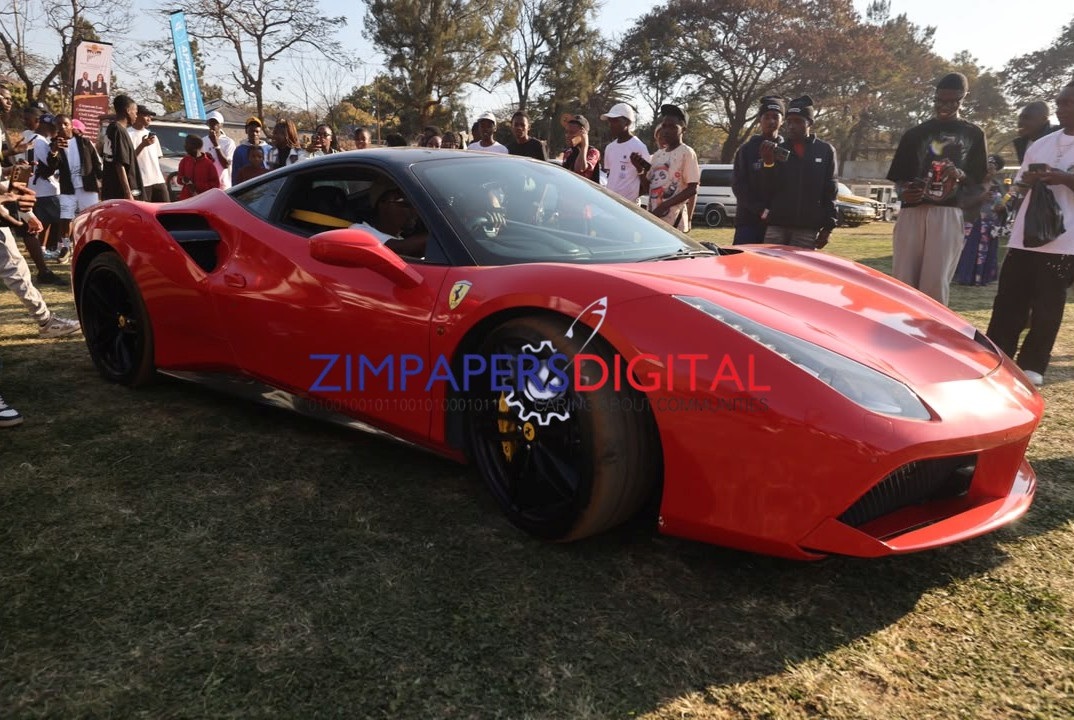
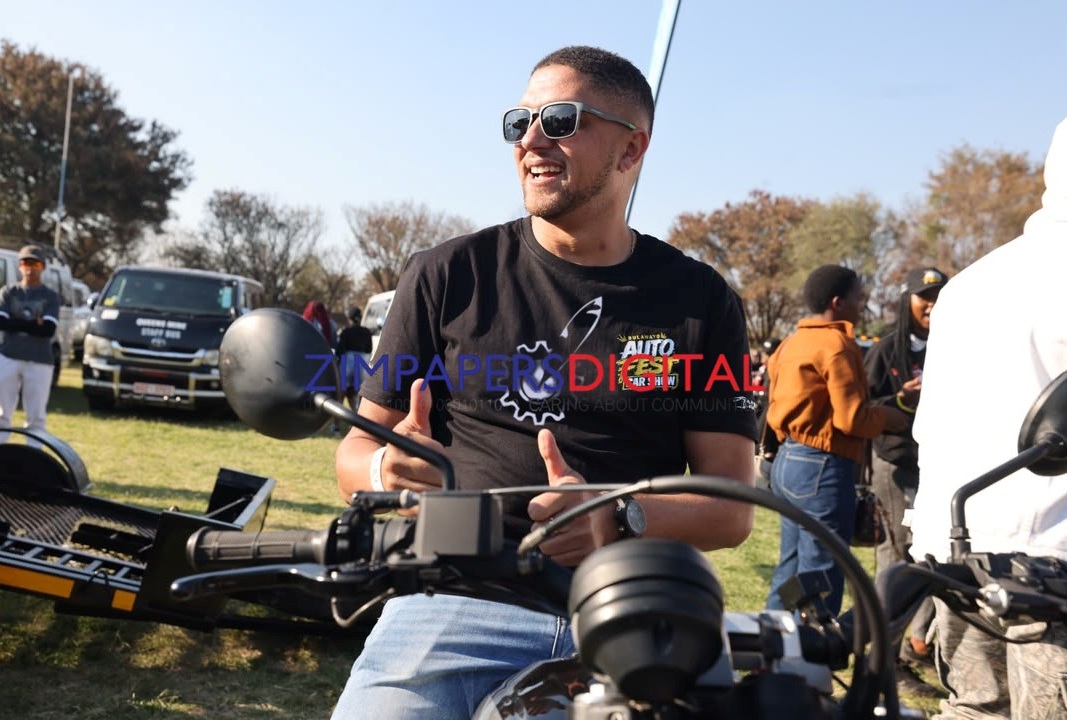
At Hartsfield Shisanyama, the rumble of engines, the sound of music and the buzz of excited conversations transformed the popular entertainment venue into a spectacular automotive showcase as AutoFest brought together classic cars, modern performance machines and motoring enthusiasts from across the city.
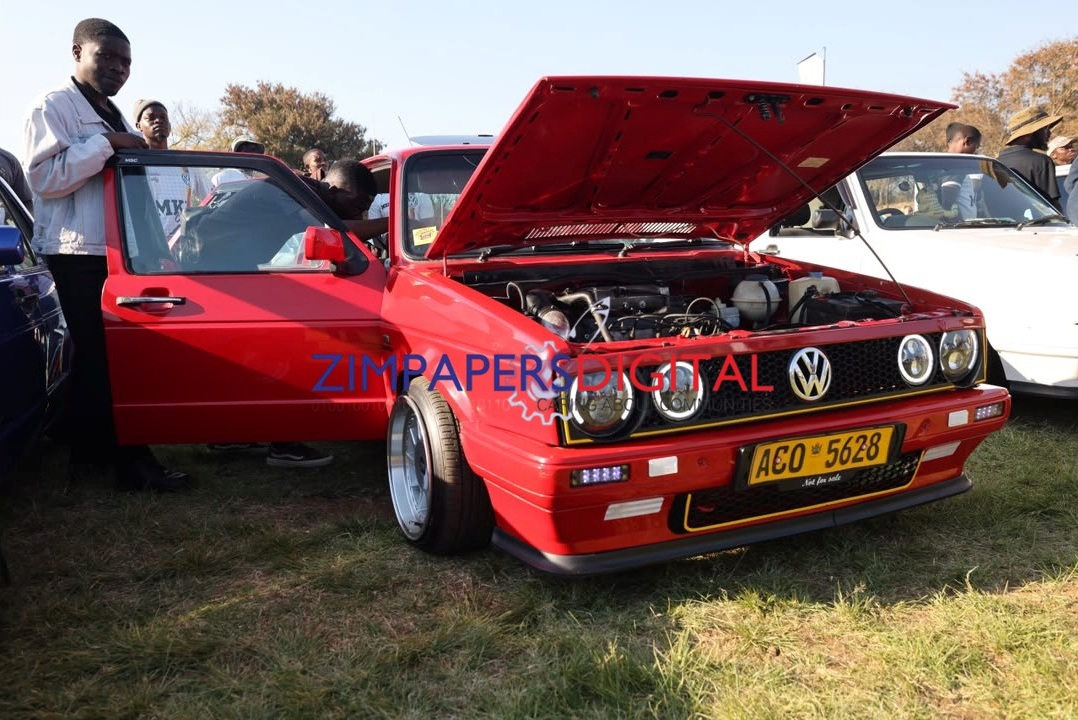
For a few hours, Hartsfield became Bulawayo’s biggest car runway, where the old met the new and generations of motorists and enthusiasts found common ground in their shared passion for cars.
The vintage section provided a trip down memory lane, with beautifully preserved and restored vehicles drawing crowds eager to admire the craftsmanship that has kept some of the country’s motoring history alive.
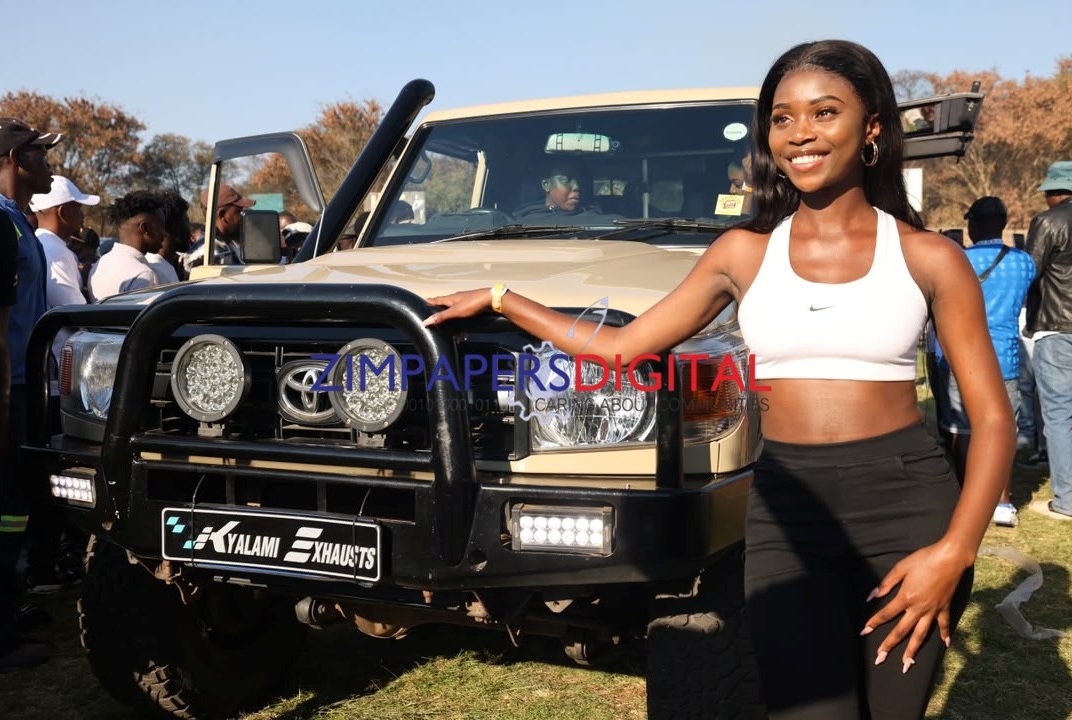
Parked not far away were modern luxury and performance vehicles, their aggressive body kits, polished rims and carefully detailed interiors attracting a younger generation of enthusiasts.
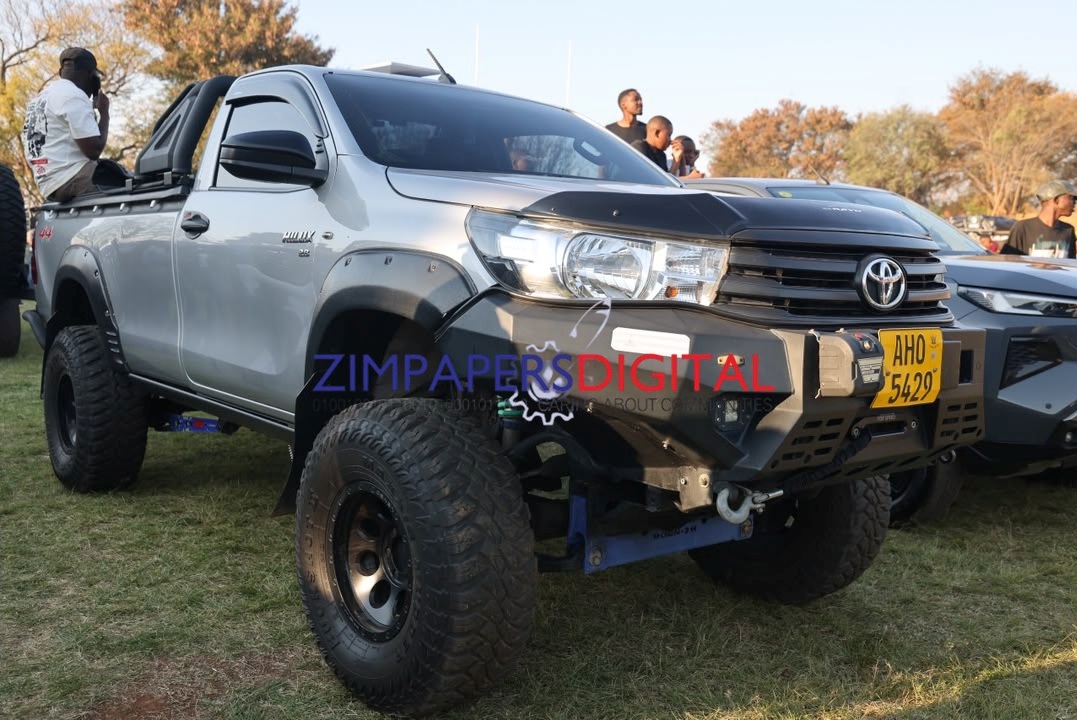
The contrast was striking.
A classic Ford Cortina, representing an era when simplicity and mechanical character defined motoring, could be admired alongside powerful modern machines equipped with technology and performance features that would have seemed unimaginable decades ago.
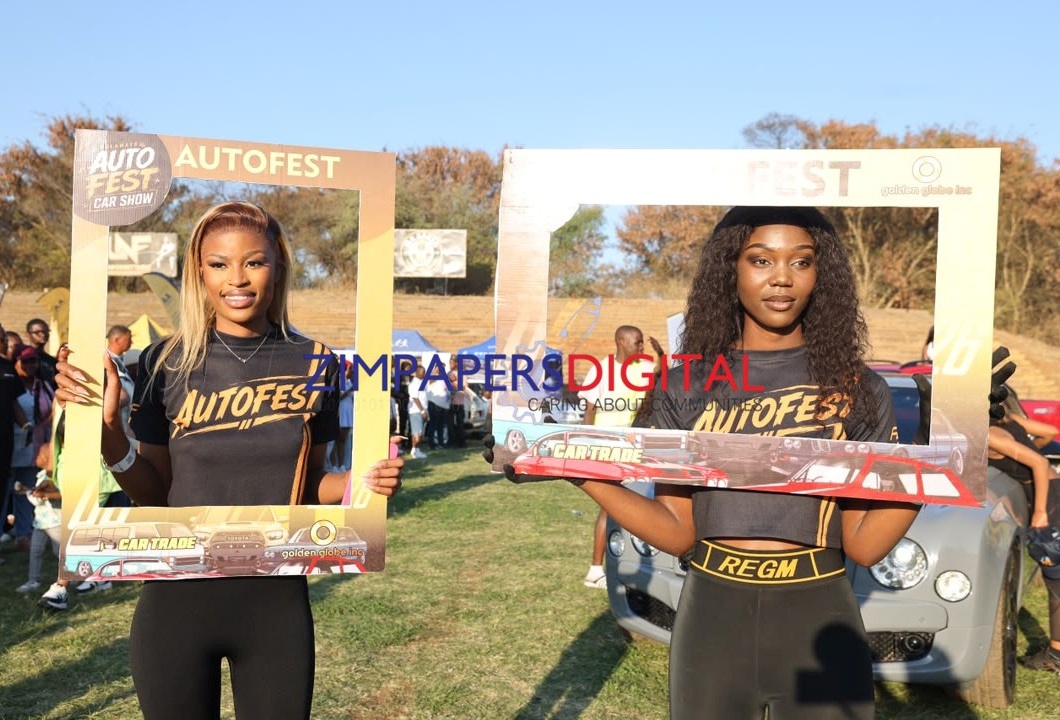
For many visitors, however, AutoFest was not simply about horsepower, engines or expensive cars.
It was a social gathering that brought together people with a common passion and gave them an opportunity to exchange ideas, admire each other’s work and celebrate the creativity that goes into maintaining, modifying and restoring vehicles.
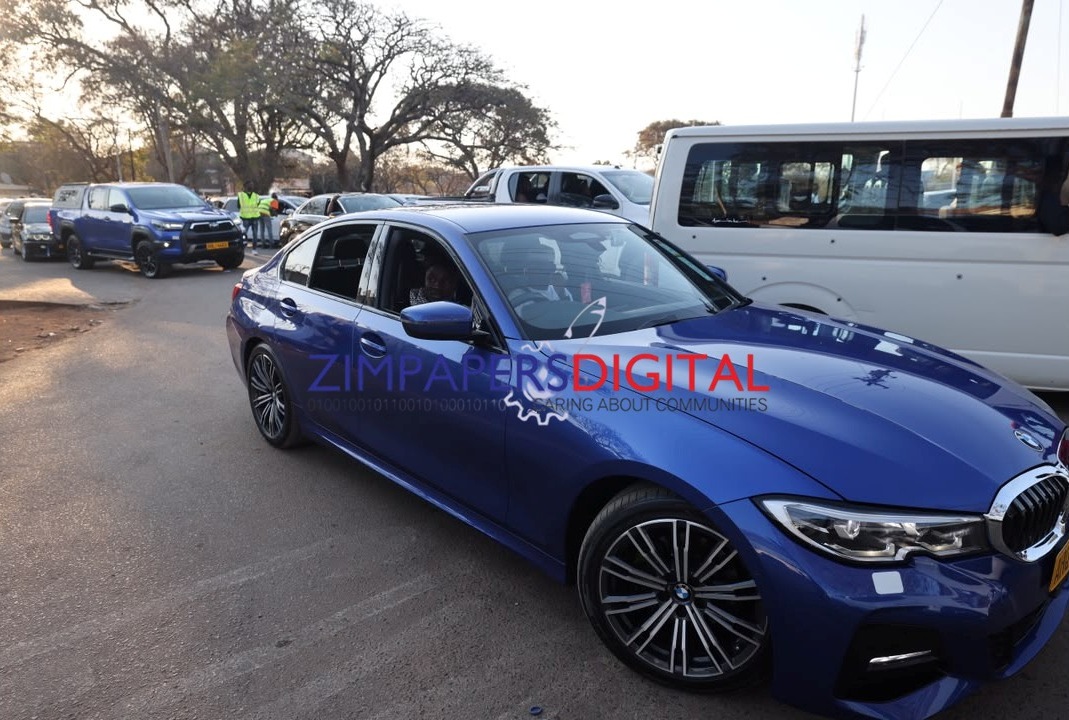
Teenagers walked around with their phones raised, recording videos and taking photographs of cars they had previously only seen online, while older visitors reminisced about the vehicles that defined their younger years.
Even grandmothers could be seen stopping to admire some of the classic Chevrolets and other vintage models on display, demonstrating the broad appeal of the event.
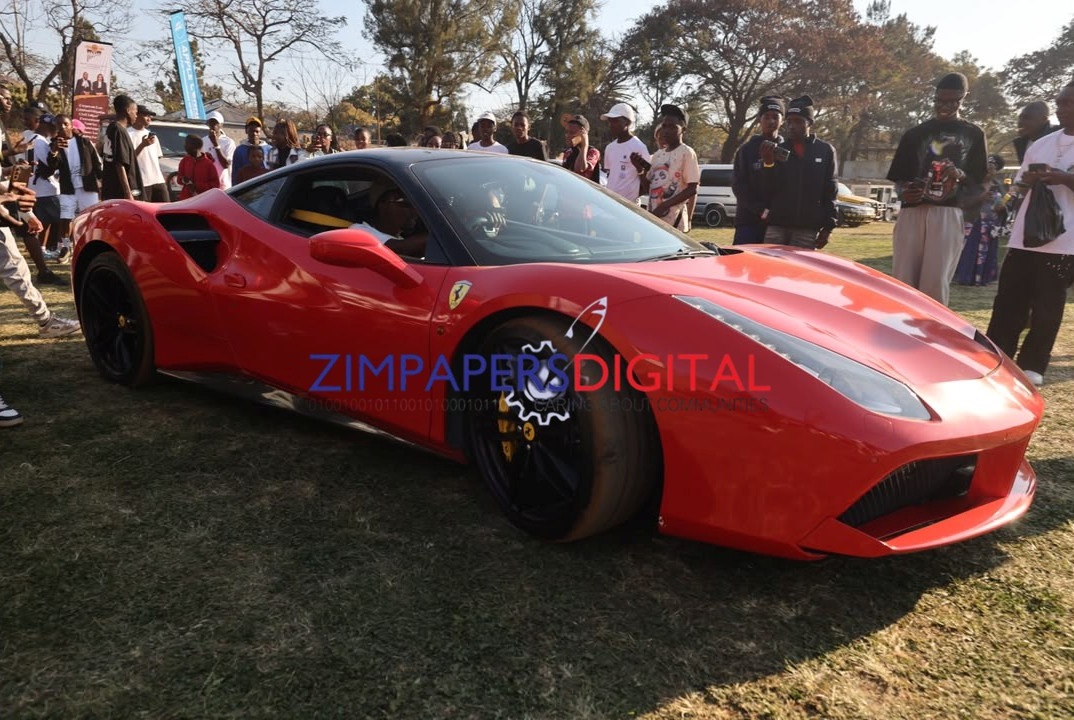
The atmosphere was further elevated by DJs, food vendors and the occasional roar of an engine, creating a festival-like environment that extended beyond the cars themselves.
For vehicle builders and detailers, the event also provided an opportunity to showcase their work to a wider audience.
From painstakingly restored classics to carefully customised modern vehicles, every car on display told a story of investment, patience and personal expression.
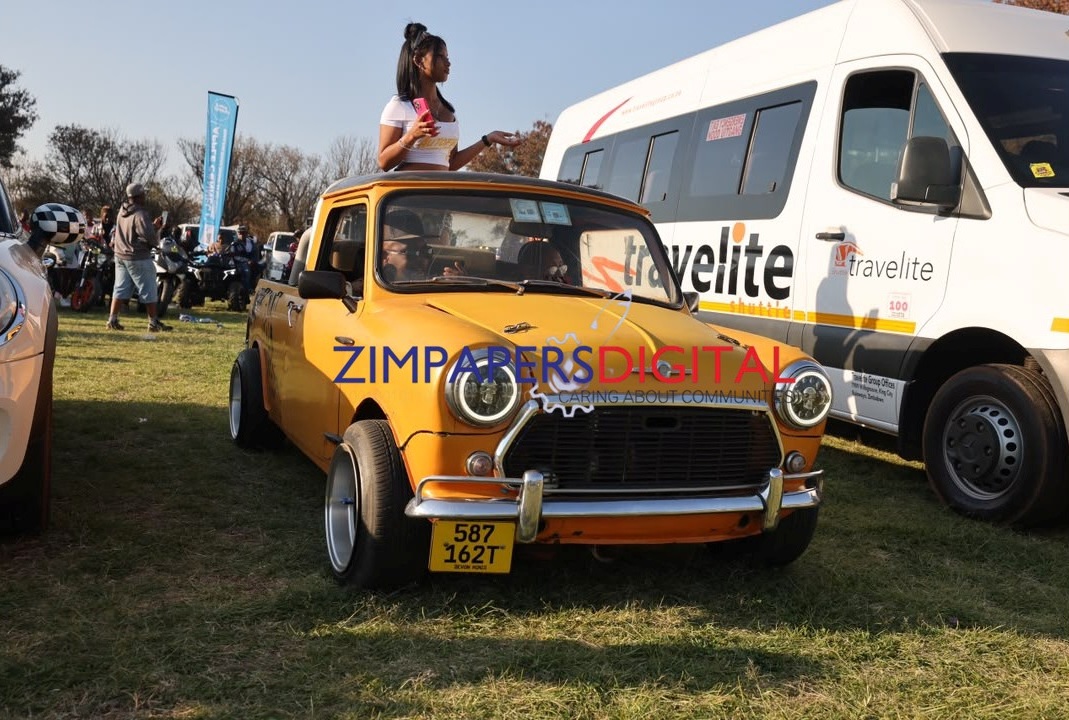
AutoFest also highlighted the growing role of young people in Bulawayo’s motoring scene.
For a generation that has grown up watching international car shows and automotive content on social media, the opportunity to see high-quality builds in person offered a chance to turn an online interest into a real-life community.
Young enthusiasts could interact with experienced builders, learn about different modification techniques and exchange ideas on everything from paintwork and detailing to wheels, suspension and engine performance.
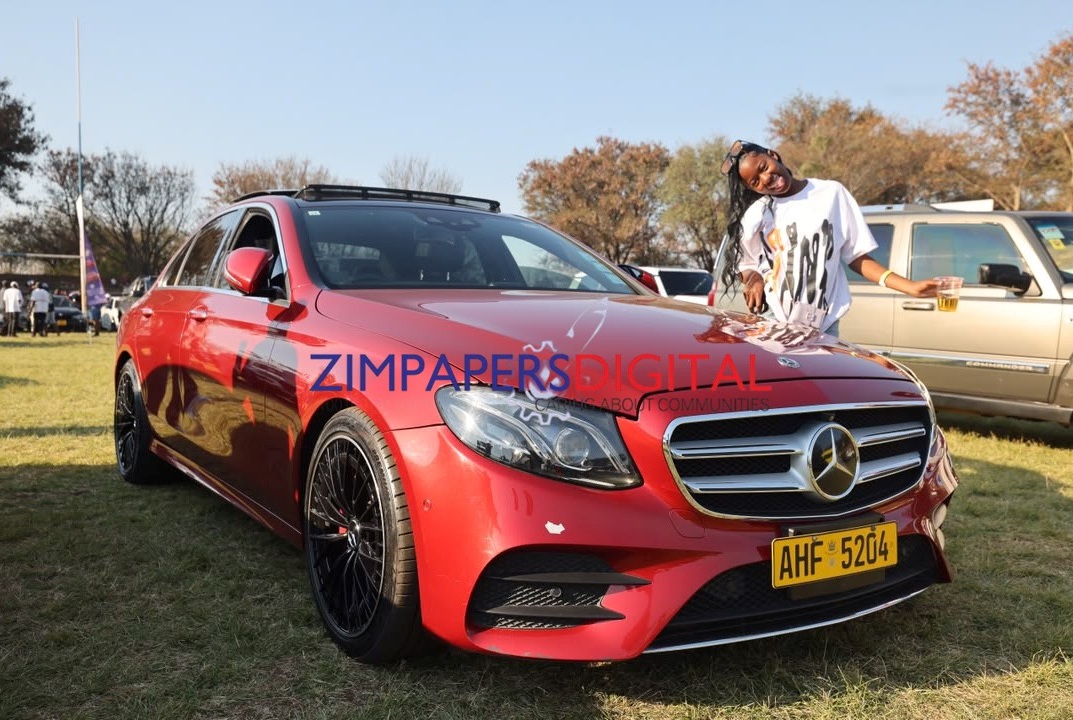
The event also created a platform for local businesses operating within the wider automotive ecosystem, including vendors and service providers who were able to engage directly with potential customers.
In many ways, AutoFest represents the changing face of car culture in Bulawayo.
What was once largely confined to private garages, backstreets and informal gatherings is increasingly finding its way into organised public events where enthusiasts can showcase their passion in a more structured environment.
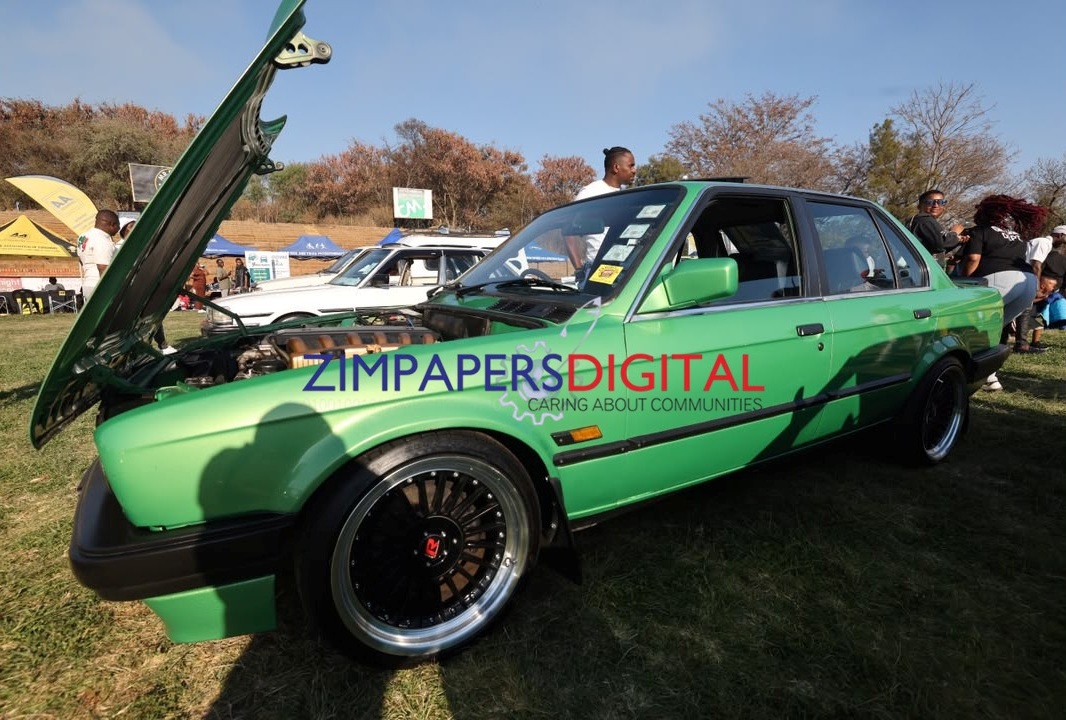
The presence of both restored classics and modern luxury vehicles also demonstrated that Bulawayo’s automotive identity is not defined by one particular generation or style.
For some, it is about preserving history.
For others, it is about performance, individuality and keeping up with contemporary trends.
And for many, it is simply the joy of owning, driving and talking about cars.
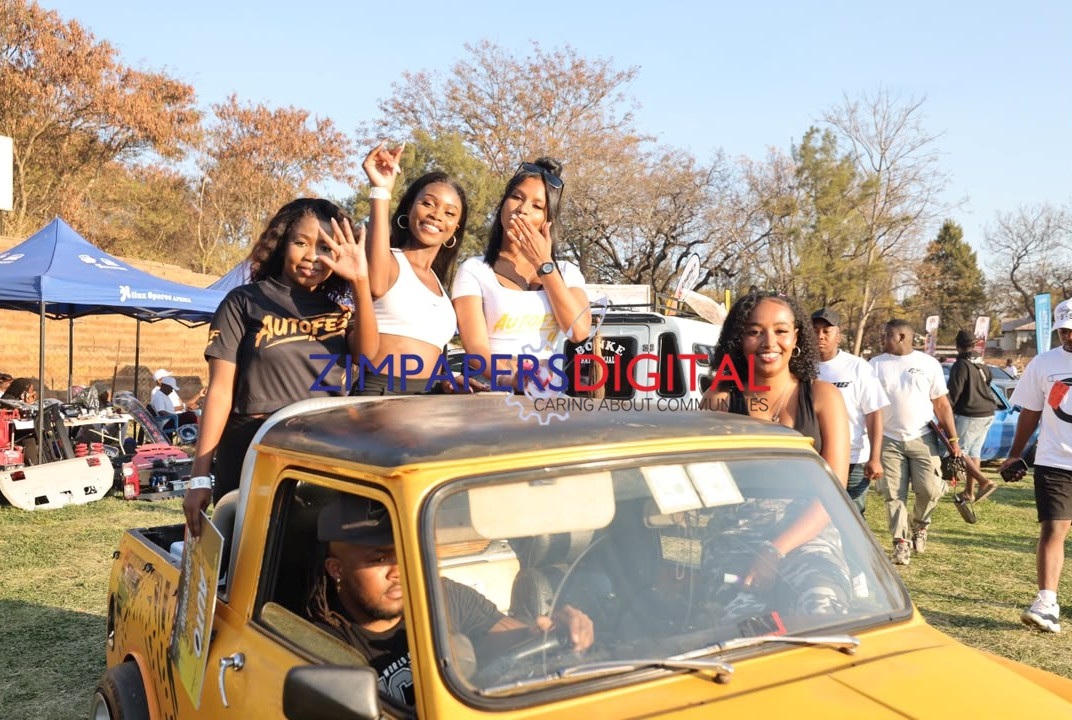
As the afternoon progressed and the heat of the day began to ease, the crowds continued to move between the vehicles, taking final photographs and exchanging stories before the event gradually wound down.
The engines eventually fell silent, but the conversations continued.
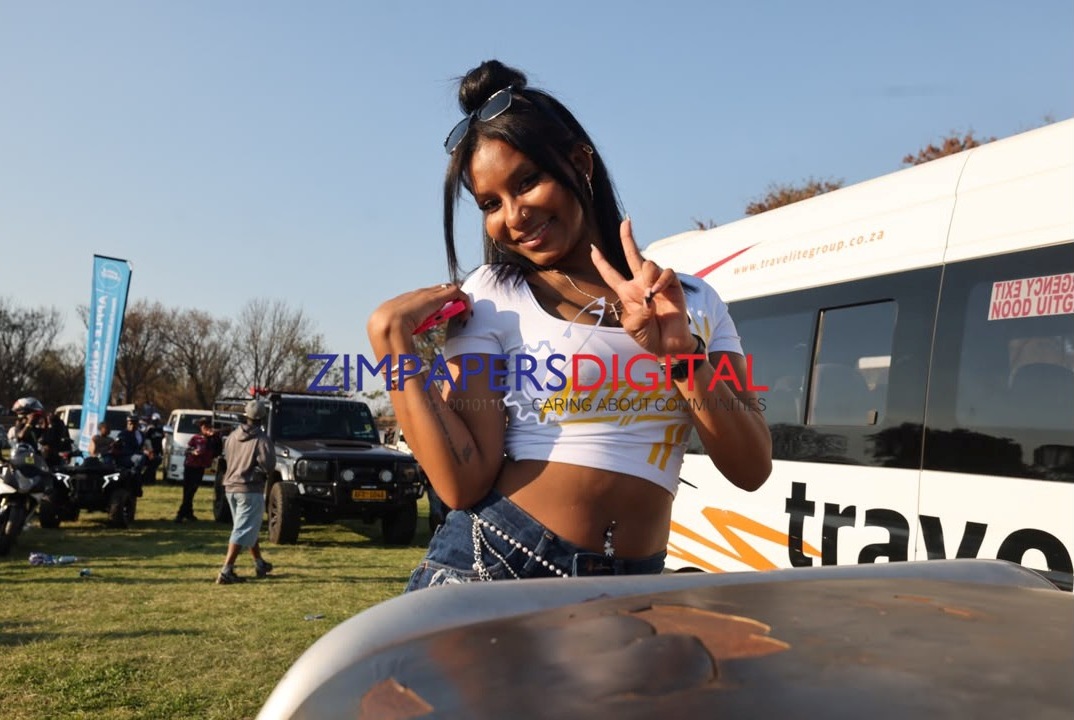
AutoFest showed that Bulawayo has more than an appreciation for cars. It has a growing community of builders, collectors, detailers, drivers and enthusiasts willing to invest time and resources into developing the city’s motoring culture.
With the right platforms and continued support, events such as AutoFest could help position Bulawayo as an important hub for automotive and car culture in Zimbabwe.
As engines cooled at dusk and the last vehicles began leaving Hartsfield, one thing was clear — Bulawayo is moving, and its car culture is moving with it.