admin
adminSimon Tapfumaneyi
IN my considered opinion, the ever-changing times and current austerity measures naturally engender opportunities for growth and evolution. The Zimbabwean ethos mainly emphasises the attainment of education, skills and knowledge as prerequisites for gainful employment.Successive generations are continuously exhorted to excel academically and, if possible, proceed to university before pursuing careers in formal employment.
Those who reach the pinnacle of their academic careers are venerated and highly distinguished. Such persons are regarded as successful because of the good jobs they are bound to have, including the ability to provide for family and friends.
So, the mantra is: Acquire good education and get a job.
Parents, teachers, relatives, churches and societies collectively reinforce and reiterate this notion. It is well-inculcated in students. Almost all of us have been exposed to this and it rings all too familiar.
Education is of unquestionable value, make no mistake about this.
However, the learning process itself is endless and goes beyond academic qualifications. Everyone must endeavour to attain the highest education possible in their chosen field and endeavour to make each and every waking day a learning experience.
The stated objective of learning should not only be confined to employment seeking, but creation.
There is need for us to control our own destiny and the emphasis should be on becoming business owners and not aspire to be mere employees.
It must be considered, however, that not everyone has a flair for business. There are people whose vocation is to be of service to others in various professional capacities such as medicine, psychology, law, and engineering. Notwithstanding such vocations, the future can only be dictated through wealth creation, especially in an environment where opportunities are abound.
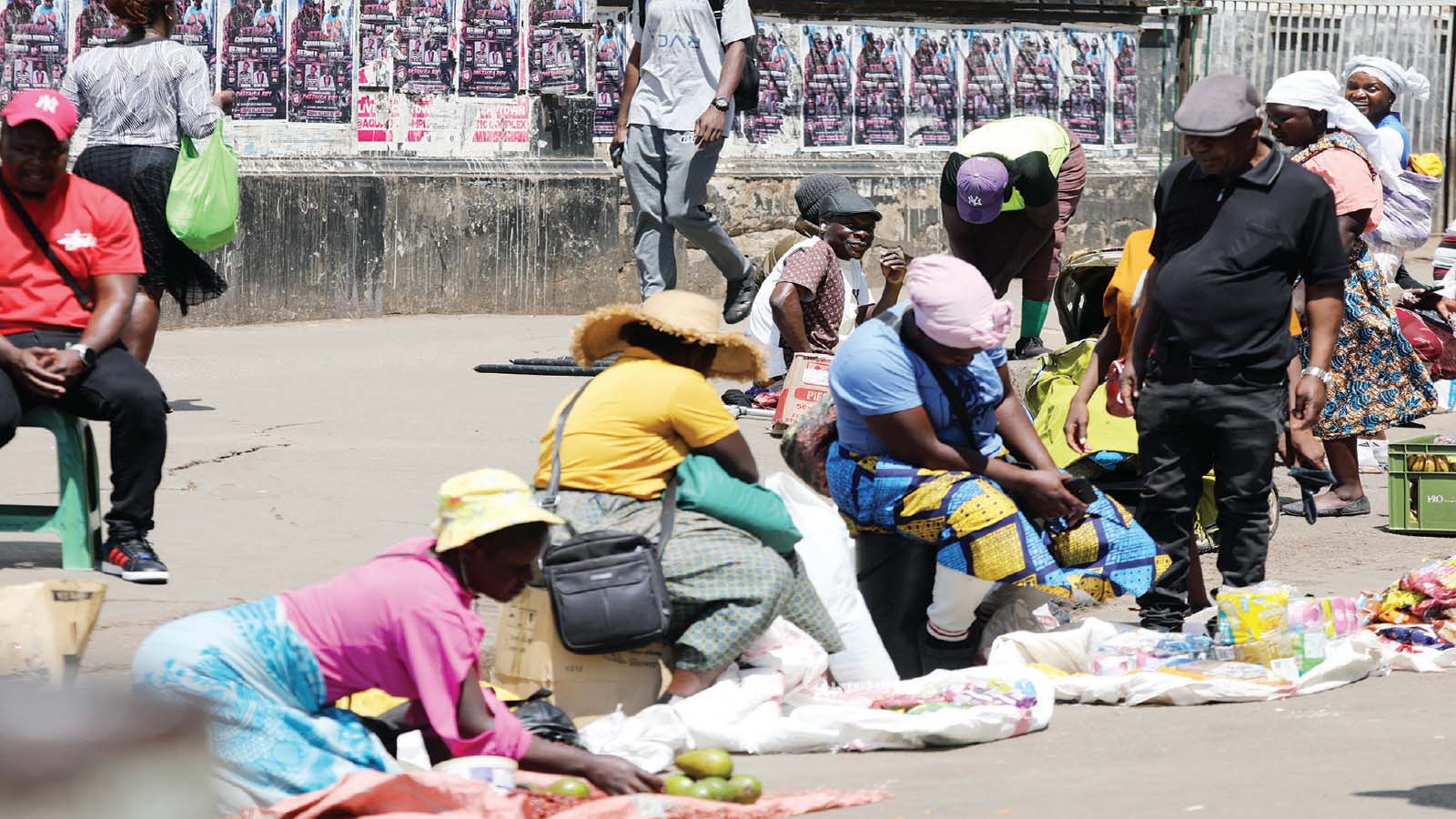
The local economy is in distress.
Unemployment is currently unsustainably high. Company closures, retrenchments, terminations, bankruptcy, stagnation and losses are continuously feeding to this unfortunate statistic. In such circumstances, demand becomes soft.
Capacity utilisation in industry currently hovers above 30 percent, while the liquidity situation has deteriorated. Agriculture and mining are under-performing in line with slowing growth in the global economy. Worryingly, the revenue collection base continues to shrink.
In sum, there are challenges at both the micro and macro level.
To Government’s credit, the blueprint that is expected to guide the economy through 2018, Zim-Asset, puts an accent on wealth creation and sets the tone for small businesses and growth. This plan has to be translated to tangible results through strategic execution.
Entrepreneurship can provide the remedy that we need to fix the economy. When we take initiatives to create wealth by leveraging on our own resources, we create a better platform for growth — sanctions or no sanctions. Relying on foreign interests and foreigners is clearly naïve.
Obviously, there is need to be proactive, assessing opportunities, exploring them, devising strategies, policies and principles.
Running enterprises individually and collectively firmly puts our future in our hands. By exercising control over our economy, we can easily engage other economies from a position of strength. Lop-sided engagement with international partners usually results in tensions, suspicions and regrets. There is need for Zimbabweans to work towards individual and national aspirations.
Being self-employed is substantially different from being an entrepreneur or business owner. A self-employed person is principally exercising his trade to sustain himself/ herself and family. His or her drive is to earn a living through the venture.
An entrepreneur is growth-focused and aggressively seeks opportunities. So, in essence, being self-employed is sustenance-based, while entrepreneurs are growth-focused. Posterity forces us to think innovatively. Our potential, however, cannot be expressed if we live in our comfort zones. When situations change, the world has to change it.
For example, when jobs are lost, there must be a mechanism to be more productive in other sectors.
Usually a victim-mentality, which is self-defeating, is not sustainable. The economy demands job-creation strategies or initiatives that feed into the fiscus. It is folly to wait for conditions to improve; the right formula is to improve the conditions ourselves.
While formal employment has fixed salaries that are often inadequate to cater for one’s needs and aspirations, entrepreneurship offers opportunities for limitless earnings and growth.
Also, the security of tenure in formal employment is subject to extrinsic variables. However it takes painstaking planning, inexhaustible work ethic, unflinching execution, and relatively enormous risk to succeed.
So, entrepreneurship offers superior rewards at individual and national levels.
The pursuit of our passion is often times best expressed entrepreneurially. Chances of success substantially rise the more we fight against adversity and turbulence.
Challenges fortify our resolve to reach our destination and the rewards make it worth the while. Our entire existence should be directed to our purposes and passions. Identifying, nurturing, consolidating and maximising expressions of our passions in enterprises is both conceivable and attainable.
Our education system should equip students with knowledge, skills and competences on how to run their enterprises at an early age.
Specific inclinations, potential and thrusts can be identified and reinforced laying a firm foundation for the establishment of business entities in their own right.
Presently, our education system is churning out graduates that are both unemployed and unemployable. Gone are the days of obsessing with education for employment when the jobs are illusory and non-existent.
Zimbabwe is richly endowed with wealth and talent that has to be leveraged for the benefit of the nation.
Simon Tapfumaneyi is a former CEO of a health insurance firm. Feedback: [email protected]


 Online Reporter