Chronicle Editor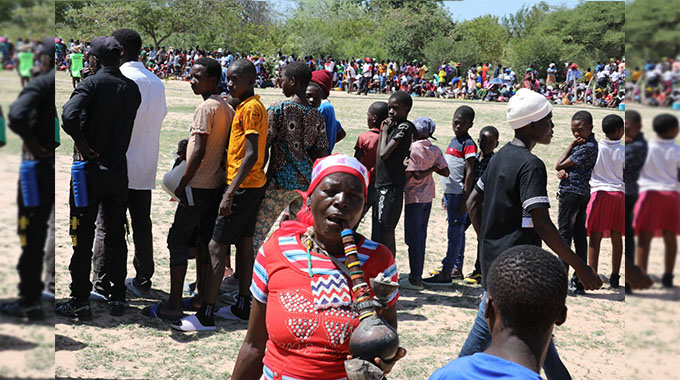
Nqobile Tshili, [email protected]
WHILE Shisha smoking has been popularised at urban night spots, particularly among women, the traditional pot tobacco smoking culture among the Tonga people in Binga district, known as Inchelwa, is at risk of extinction as younger generations abandon traditions. Elderly women are typically the ones who smoke from the pot, which is filled with conventional tobacco laced with sorghum.
They have expressed concern that the culture is not being sustained as younger people lose interest, with some senior members of the community calling themselves the “last generation that will smoke this”.
However, some refute the idea that the practice is on the brink of extinction, arguing that younger women still smoke Inchelwa, but do not do so in public places.
The Tonga community has been praised for sustaining its culture, which the National Aids Council has credited for the low HIV infection rates in Binga district.

However, modernity and Christianity seem to be eroding the core identity of the BaTonga people as some abandon traditions passed down through generations, including Inchelwa smoking.
An elderly woman, Georgina Mulenge, revealed that while she began smoking Inchelwa at a young age, younger generations have discarded this cultural practice.
“I feel strong when I smoke. It strengthens my body. But because they are now going to school and churches, the youth no longer want to take part in this anymore. We might be the last generation that will smoke this,” said Mulenge, who demanded US$1 to explain their cultural practice.
Mulenge’s concern is shared by others in the community. They worry that the pot smoking culture may not be sustained as younger generations lose interest. However, they are also keen to dispel misconceptions, like the stereotype that they smoke mbanje (marijuana).
“This is conventional tobacco laced with sorghum. This is for recreational purposes and I started doing this when I was still a young girl and I don’t think there are any health hazards. I have been doing this for a very long time. But now it’s only us who smoke, not these young ones. So, it’s a culture that is going to die with us,” she said.

David Mungombe, a renowned expert on Tonga culture, stressed that the risk of extinction looms, not only over Inchelwa, but also over a myriad of traditional practices. This is particularly concerning in a community that has long been celebrated for its steadfast commitment to cultural preservation.
“It is dying because there are few young people into it because of new beliefs and Christianity. Young smokers are into cigarettes instead of Inchelwa. It’s really a point of concern because that type of method is good in terms of purifying nicotine as opposed to these new smoking trends, which may even be hazardous to them,” said Mangombe.
He observed that the waning pride among the younger generations toward certain unique aspects of Tonga culture is concerning. To address this, his organisation is initiating cultural awareness programmes. He advocates for a broader recognition within the community, highlighting that culture not only defines identity, but also holds potential as a valuable tourism asset.
“We have plans to conduct awareness by educating the public about its good parts and the bad parts of modernity. Even Ngoma Buntibe’s existence is also being threatened because most young people don’t know how to use those trumpets. They don’t know how to play music using those trumpets and are just embracing modern or other people’s cultures without appreciating its impact on our culture,” he said.

Mangombe has pointed to the influence of Christian institutions as a factor in the erosion of their cultural heritage.
However, Binga District Development Co-ordinator, Land Kabome Siansole, who is also a native of Binga, remains optimistic. He holds a firm belief that their culture will endure and continue to thrive for future generations.
“Inchelwa is the smoking of tobacco in the pot and this is done during the appeasement of spirits. It is done by women, they actually put tobacco when they communicate with ancestors. But they also do it for leisure and recreational purposes, and it will continue like this from generation to generation,” said Siansole.
He dismissed claims that young people no longer smoked Inchelwa.
“Young women do it there and it’s only that this is a public place and they might not do it. But come after 20 years, you will find someone doing it,” he said.
Ngoma Buntibe, a traditional dance deeply intertwined with the fabric of Tonga culture, plays a significant role in various communal occasions. Whether in times of mourning, expressions of gratitude, or joyous celebrations, this dance remains an integral part of the vibrant Tonga community.
“Ngoma Buntibe is done by the Tonga people after burying an elderly person. After that they beat drums as a way of paying their respect to the deceased elderly person. After a year, we then do Makande to appease the dead. Between May and July, they beat drums thanking their gods for providing them food after harvesting.
During the Independence Day festivities, the Ngoma Buntibe dance captivated the audience. The lively performance, characterised by the rhythmic beating of drums, exuberant dancing, and the booming sounds of trumpets, are a cherished tradition in the Tonga community. – @nqotshili


 Online Reporter