


 tawandamusarurwa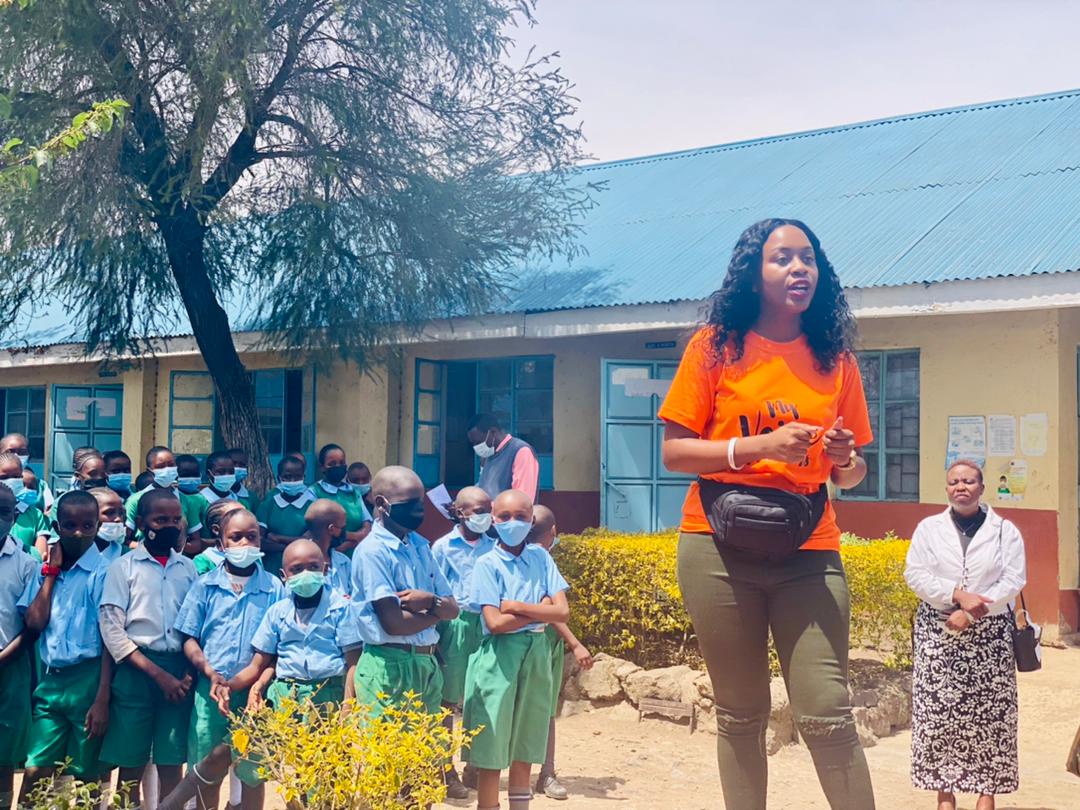
Youth Buzz
Fatima Bulla-Musakwa
FRESH from university, Ms Tarie Chirewa found herself being invited for a job interview.
About 20 minutes before her turn to be interviewed, she felt a slight flow coming down her undergarments.
When she rushed to the bathroom, she realised her menstrual cycle had been triggered earlier than she had anticipated, probably out of anxiety and nervousness.
Without any sanitary wear in her handbag, she rushed to the receptionist, hoping she could get assistance, but to no avail.
The only option was rushing to a supermarket a distance away, but, in the process, missing out on the opportunity to get a job.
On her way to the supermarket, she reflected on how the inability to purchase sanitary ware by girls and young women from disadvantaged communities hindered them from accessing various opportunities, starting with basic education.
At least one in 10 African girls miss school during menstruation.
And between the age of 10 years and 18 years, the African girl child, as she completes high school, would have missed 500 days of schooling due to menstruation.
This translates to about a year and three months of school days lost within the period, impacting negatively on the educational foundation of the girl child.
Such a sad situation pushed Ms Chirewa to play her part.
She founded Yama Foundation, which provides girls and young women with reusable sanitary pads to ensure they do not miss school during their menstrual cycle.
The foundation focuses on various areas, which include supporting girls and women with school fees, educational material and information on sexual and reproductive health and rights, as well as awareness programmes on child marriages, among other issues.
A fortnight ago, the foundation was in Masvingo, where it donated kits of reusable sanitary wear to Uzeze Primary School and Daitai Secondary School.
“With Yama kits, they will be able to attend school and plug in those 500 days they would have missed if they did not have sanitary ware. Also, our mission is to give women tools to work their way out of poverty,” she said.
“So, we don’t believe in just giving handouts but we also teach them how to make them. If you teach someone how to make these items, they will be able to sell them.”
Since 2013, Ms Chirewa’s initiatives have touched the lives of 3 000 youths, who have benefitted from other empowerment programmes, which include beekeeping, as well as potato and mushroom farming.
Yama Foundation has since expanded its footprint to Kenya.
The girls and young women who benefit from her project also train others to make reusable sanitary wear.
This, she said, was a sustainable solution for some of the girls who come from poor or child-headed households.
Besides these initiatives, Ms Chirewa also runs a health and wellness business called House of Moringa.
Today, she treasures the incident she experienced while waiting for her job interview, which inspired her work and has impacted on many livelihoods.
“That experience made me realise that we need to give back to our communities and see how we can help the next person reach their next level of success. All we need is love in this world,” she said.
Ms Chirewa, who is now 34-years-old, was raised in Southerton, Harare.
◆ Twitter: @BullaFatima



 Bongani Ndlovu
 Online Reporter