Online Reporter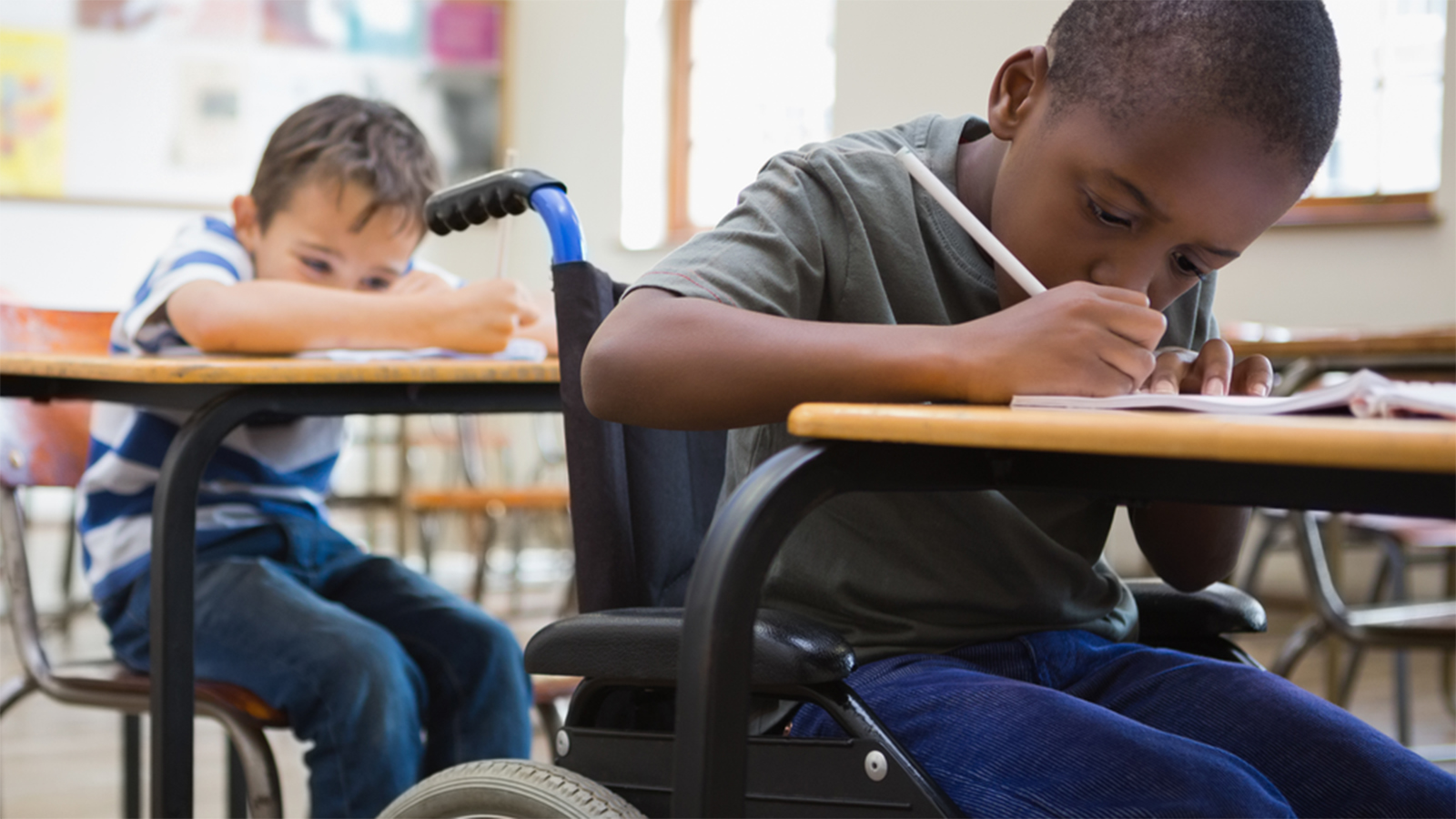
Disability Issues-Dr Christine Peta
IN classrooms across the globe, a quiet revolution is underway, one that seeks to dismantle long-standing barriers and redefine what it means to learn, teach and thrive.
The drive of this movement is for inclusive education for learners with disabilities, a cause that challenges outdated norms and demands a more equitable future.
Inclusive education is an approach that ensures all schoolchildren — regardless of ability, background or disability — learn together in the same classrooms with equal access to quality education.
It emphasises the removal of barriers to learning and the creation of environments where every learner feels valued, supported and is able to thrive.
The five key principles of inclusive education are:
Every learner matters: All children have the right to education, and no one should be excluded.
Diversity is strength: Differences among learners are seen as opportunities for enriching learning.
High expectations for all: Every learner is capable of learning and achieving.
Accessible learning environments: Schools must remove physical, social and academic barriers.
Collaborative support: Teachers, families and communities work together to support inclusive practices.
Inclusive education is, therefore, not about simply placing children with disabilities in mainstream classrooms.
It is about transforming schools to accommodate diverse learning needs and fostering environments where every learner feels valued, supported and empowered.
This means rethinking the curriculum design, teaching strategies and assessment methods.
Universal design for learning, for instance, promotes flexible learning environments that can be customised to suit individual needs.
Assistive technologies, from screen readers to speech-to-text software, also play a vital role in bridging gaps.
Inclusion is not just technical; it is also deeply human.
It requires empathy, patience and a commitment to equity.
Teachers must be equipped not only with skills but also with the mindset to embrace diversity as a strength rather than a challenge.
In inclusive classrooms, schoolchildren with and without disabilities learn side by side, building friendships and breaking down prejudices.
Studies show that inclusive education benefits all learners, improving academic outcomes, social skills and empathy.
However, there is need for cultural attitudes to shift, because in some communities, disability is still viewed through the lens of shame or pity.
Furthermore, in some African contexts, disability is associated with evil spirits, witchcraft and the breaking of traditional taboos.
Some parents still hide their children at home, thus violating their right to education.
Advocacy and awareness campaigns are essential to change such practices and promote acceptance.
We also need to strengthen data collection. Without accurate data on disability and education, policymakers may not be able to make informed decisions or track progress effectively.
Despite these challenges, countries like Zimbabwe, South Africa, India and Brazil have made great strides in inclusive education through legislative reforms and grassroots initiatives.
The Government of Zimbabwe — in partnership with local and international development organisations, and organisations of persons with disabilities — is working tirelessly to support families, train teachers and develop inclusive curricula. Technology can also open new doors.
Online learning platforms, virtual classrooms and artificial intelligence-powered tools can help learners with disabilities access education in ways previously unimaginable.
The journey towards inclusive education is long, but every step counts.
With each barrier broken, we move closer to a world where every learner, regardless of ability, can write their own story of success.
Dr Christine Peta is a disability, public health, policy, international development and research expert. She can be contacted on [email protected]