Online Reporter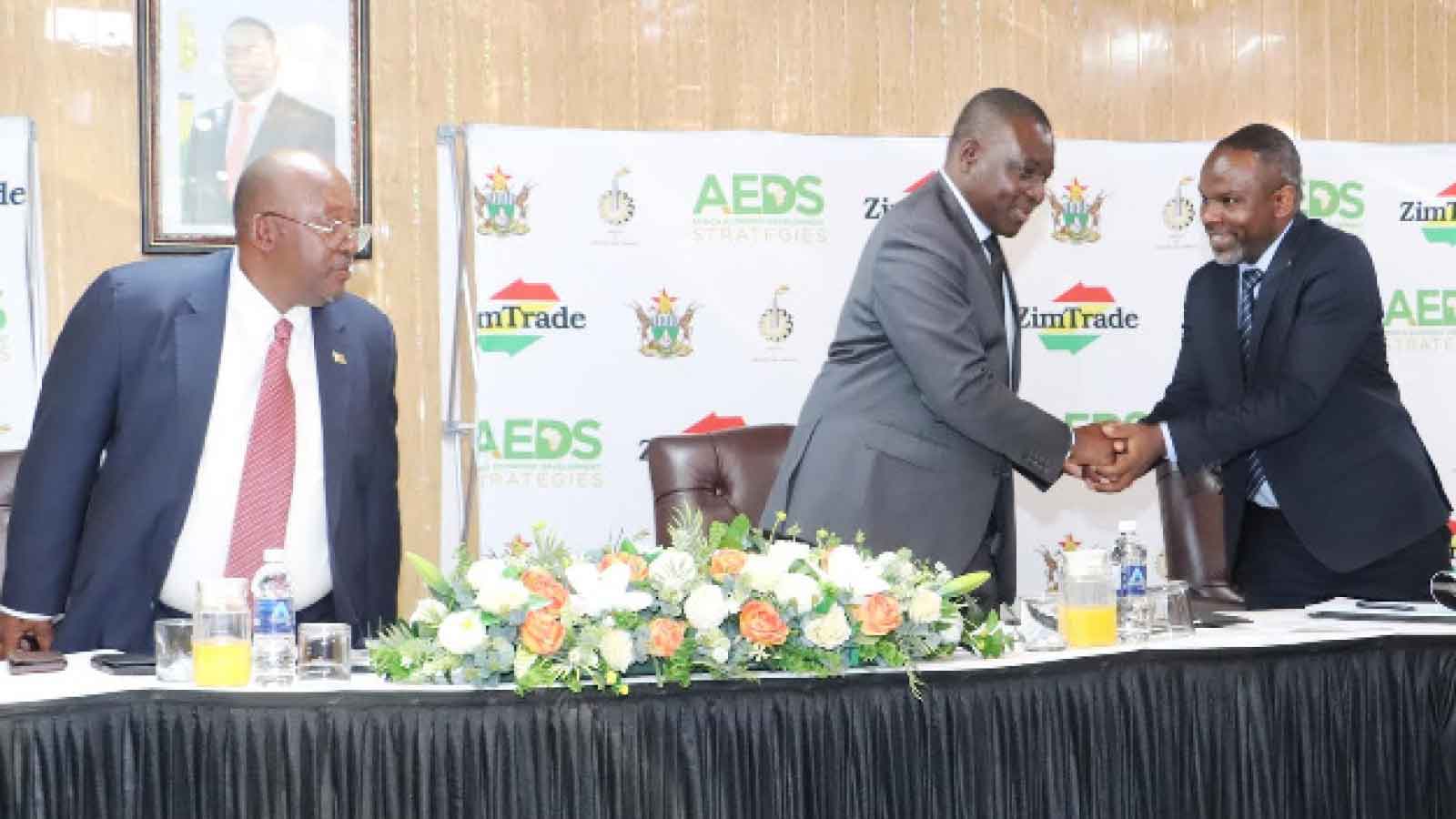
Business Reporter
THE two-day inaugural Zimbabwe Industrialisation Conference and Expo 2026, which kicks off today, is grounded in an evidence-based approach aimed at shaping effective national economic policies.
This was said by the Ministry of Industry and Commerce Permanent Secretary, Ambassador Tadeous Chifamba.
The ministry, in partnership with local economic development think tank Africa Economic Development Strategies (AEDS) and ZimTrade, is hosting the conference.
Speaking at a media briefing yesterday regarding the conference’s alignment with national development goals, Ambassador Chifamba highlighted that the country’s manufacturing sector has registered notable expansion in recent years.
This growth, he noted, is demonstrated by fresh capital investments in factory expansions and a steady rise in export volumes.
“The ZICE conference is informed by an evidence-based approach to national policy,” Ambassador Chifamba said, emphasising that the timing of the event, to be held at the Harare International Conference Centre, is critical to maintaining and building upon recent gains in the industrial sector.
ZICE will be officially launched by President Mnangagwa and will coincide with the presentation of the State of the Industry and 2027 Prospects report done by the AEDS.
According to the Ministry of Industry and Commerce, the primary objective of the conference is to leverage data and real-world industrial output to accelerate current growth momentum.
Over the past few years, Government interventions and private-sector re-tooling have contributed to increased capacity utilisation across key manufacturing sub-sectors.
By bringing together policymakers, industry captains and regional trade representatives, ZICE aims to address remaining operational bottlenecks while unlocking new domestic and export opportunities.
Ambassador Chifamba reiterated the Government’s commitment to creating an enabling environment that supports local value addition, boosts export competitiveness, and attracts further industrial investment.
Addressing the critical topic of funding industrial development, AEDS executive director Professor Gift Mugano said:
“The issue of patient capital is very critical…This conference has a conversation, focusing on a thematic area on how we finance inter-service care.
“I won’t pre-empt, but I want to be very clear that we have also noted that in pension funds, there have been a lot of investments that are put into infrastructure properties and that is a source of patient financing in capital.
“And you are also aware that pension funds control large stakes in banks. We want to have a renewed conversation with pension fund holders and part of our panellists and speakers to come up with a view to say how we should then direct funding to industry.”
As part of the State of Industry study, AEDS identified bankable projects in priority areas to share with these banks.
Turning to alternative funding models, Prof Mugano highlighted value chain financing using the tobacco sector as an example.
He noted that about 90 percent of tobacco industry funding comes directly through value chain partners rather than commercial banks.
To replicate this success, the upcoming conference will feature dedicated sessions on agricultural and mining value chain development, focusing on value addition and beneficiation to draw in similar investments.
Prof Mugano said while industrial financing remains a major challenge, leveraging these structured value chain partnerships offers a game-changing, disruptive approach to driving national industrialisation.
Ambassador Chifamba said the conference extends beyond urban centres, also targeting rural industrialisation to drive local economic growth.
By establishing manufacturing and value-addition processing in rural communities, the government aims to curb rural-to-urban migration while creating localised job opportunities.
“Over the next five years, because we are pursuing a target called Vision 2030, we want to see industrialisation playing its part towards realisation of that vision,” Amb Chifamba said.
Highlighting the role of technology, Ambassador Chifamba stressed that digital innovation is vital to modernising Zimbabwe’s industrial landscape.
He noted that the country’s industrial sector is actively transitioning towards an evidence-based, AI-assisted knowledge economy powered by modern ICT infrastructure in line with the Fourth Industrial Revolution.
To explore these developments, the conference will host a dedicated dinner session featuring leaders from key ICT institutions.
Panellists will examine existing infrastructure, identify operational bottlenecks, and outline strategies to bridge technological gaps so that Zimbabwean industry keeps pace with global advancement.
Leading the press conference, Information, Publicity and Broadcasting Services Minister Zhemu Soda outlined the conference’s objectives to align media coverage with its key goals.