Online Reporter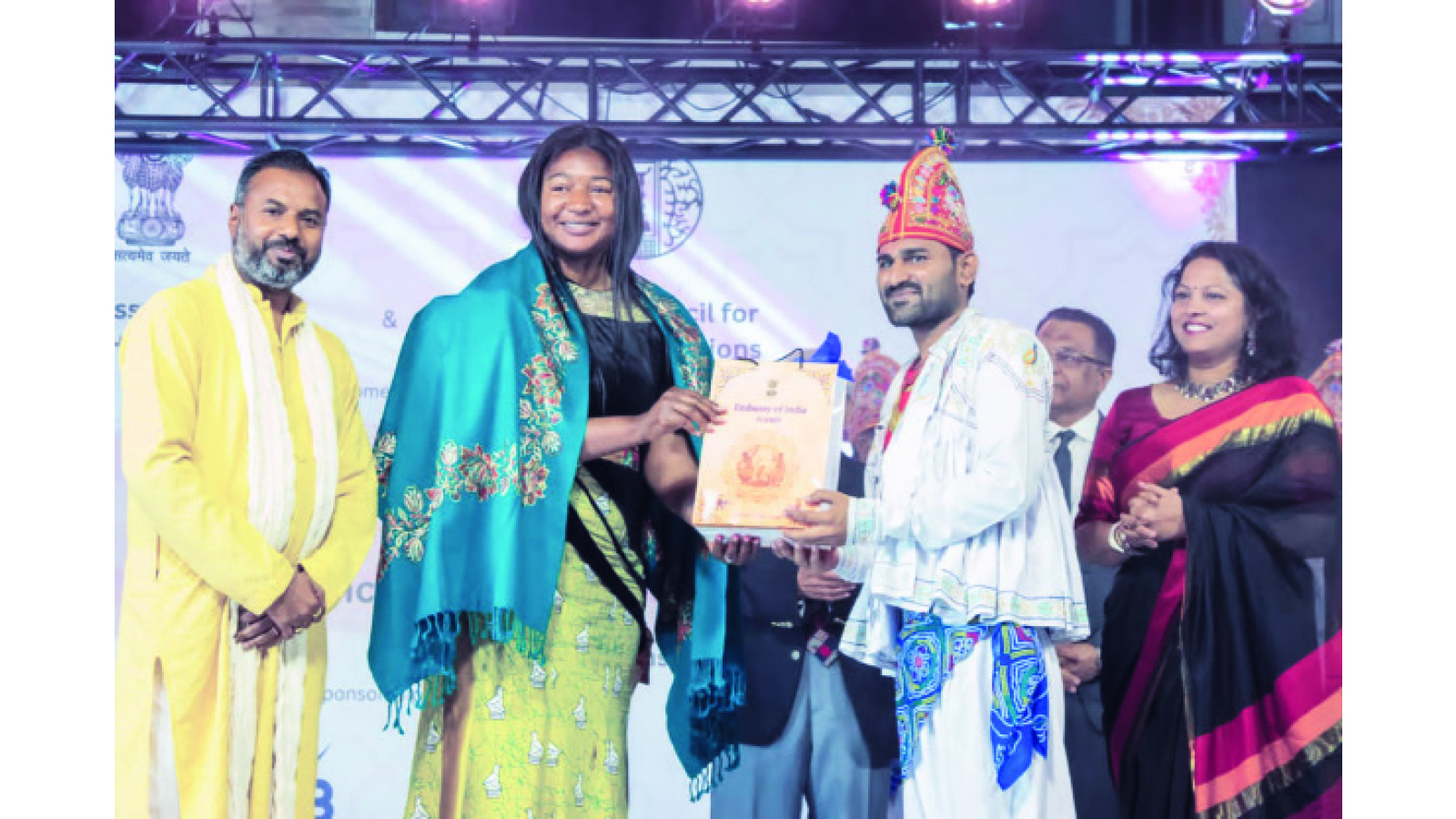
Obey Musiwa and Takunda Gambiza
Zimpapers Entertainment Hub
THE Embassy of India in Harare recently hosted Lok Kala Sandhya (Folk Dance Evening) featuring a flagship performance by the 11-member Sanskruti Dance Academy from Gujarat, sponsored by the Indian Council for Cultural Relations.
Building on these reflections, the event underscored how centuries-old cultural and economic exchanges have evolved into a modern partnership, with the Indian community’s enduring presence in Zimbabwe serving as a living bridge between the two nations.
In his address, Indian Ambassador to Zimbabwe, Bramha Kumar emphasised the deep-rooted cultural and historical links between India and Zimbabwe.
The presence of a large and lively Indian Diaspora in Zimbabwe since the early 19th Century brings our people together to celebrate the cultural values of both our countries.
“Since the time of the liberation struggle of Zimbabwe, India and Zimbabwe become politically connected too,” said Ambassador Kamar.
Ambassador Kamar said the embassy commemorates the Gujarati Diaspora’s success in enriching Zimbabwe’s economy and preserving Indian ethos. “Gujarat, a prominent Indian province known for its trade and industry in the west coast, has historically been a forwarding hub for Indian traders to other coastal areas of Arabian Sea and also to the East Coast of the Indian Ocean.
“This is how the values of Indian culture spread in the countries of the Middle East and East Africa.”
Sports, Recreation, Arts and Culture Deputy Minister Emily Jesaya said nearly 10 000 persons of Indian origin form a vibrant, peaceful and integral part of the nation’s fabric.
“India and Zimbabwe share centuries-old historical people-to-people contacts with a strong cultural linkage since the time of the Munhumutapa kingdom.
“Let me mention that many of our Indian friends played an active role in our struggle for liberation from colonial rule,” she said.
She emphasised that President Mnangagwa awarded the Royal Order of Mutapa to Mr Devanand Popatlal, a distinguished Indian-origin figure, for his role in Zimbabwe’s freedom struggle.
“Particularly, we have very close connections with Gujarat as it was in the early 19th century when many Gujarati traders came to Zimbabwe and made it their home.
“They have been an integral part of peaceful and friendly Zimbabwean society,” said Deputy Minister Jesaya.
Recently, the Embassy of India in Harare opened its doors to a vibrant celebration of culture and friendship through the event Lok Kala Sandhya, a Folk Dance Evening hosted at India House which highlighted the flagship performance by a 11 member Gujarati Folk and Dance Group from the Sanskruti Dance Academy, whose visit was made possible by the Indian Council for Cultural Relations (ICCR).
The programme began with a warm opening that emphasised the enduring cultural ties between the two nations by Deputy Minister Jesaya.
The dignitaries and audience celebrated not only the artistry of the performers but also the spirit of cultural diplomacy, which continues to strengthen bonds of friendship and mutual respect between India and Zimbabwe