
Trust Freddy-Herald Correspondent
GOVERNMENT has set a 2029 deadline to ban the use of indigenous timber for tobacco curing, part of a dual-pronged technological and afforestation roadmap aimed at saving the country’s dwindling woodlands.
This shift comes as the Forestry Commission unveils a massive, 10-year strategic plan to establish 400 000 hectares of fast-growing woodlots to serve as an alternative fuel source.
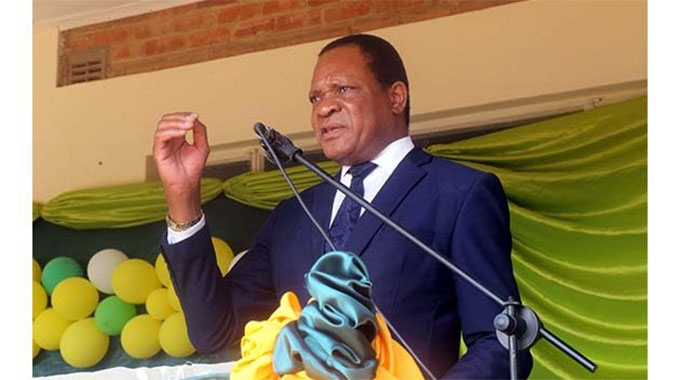
Speaking at the inaugural Joint Forestry Indaba last Friday, the Minister of Lands, Agriculture, Fisheries, Water and Rural Development, Dr Anxious Masuka, directed that the billion-dollar tobacco industry must decouple from natural forest destruction within five years. The indaba, hosted by the Tobacco Industry and Marketing Board, ran under the theme, “Sustainable Forestry and Tobacco Production.”
It brought together key players in the tobacco industry, including farmers, contractors, and senior Government officials.
“Within the context of the Tobacco Value Chain Transformation Plan, I have directed that by 2029, we will cease using indigenous trees for curing,” Dr Masuka said. “This is doable.”
He revealed that the transition relies on innovation at the Tobacco Research Board (TRB) at Kutsaga to develop high-efficiency curing systems.
“I also look forward to reducing our environmental footprint through innovation at the Tobacco Research Board at Kutsaga. We must develop more efficient curing systems that use less firewood per kilogramme of tobacco.”
Forestry Commission Director-General George Manyumwa identified fast-growing eucalyptus as the “near-term solution” to halt the annual loss of 60 000 hectares of indigenous woodland. The plan requires the planting of 25 000 to 38 000 hectares annually to provide a sustainable energy buffer for 150 000 small-scale farmers.
“Eucalyptus woodlots can be established close to farming areas, creating a sustainable energy buffer that reduces pressure on our natural forests,” Mr Manyumwa said.
The Minister of Environment, Climate and Wildlife, Dr Evelyn Ndlovu, called for an urgent harmonisation of the forestry and tobacco sectors, warning that unsustainable curing practices now threaten the international viability of the country’s golden leaf.
“We are witnessing a period of increased international scrutiny,” she said. Deputy Chief Secretary to the President and Cabinet, Dr Willard Manungo, said tobacco production must align with the country’s NDS2 plan.