Online Reporter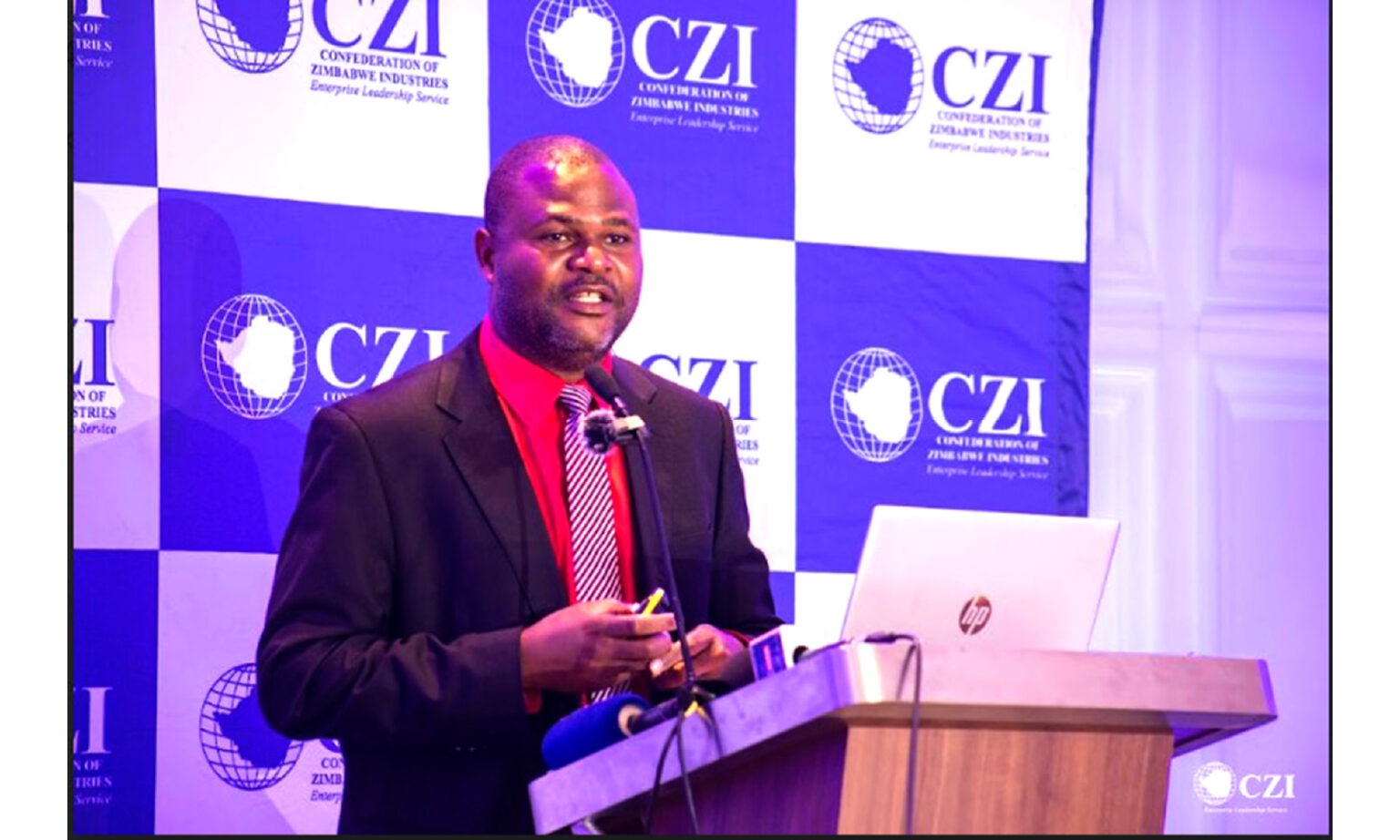
Sikhulekelani Moyo,Zimpapers Business Hub
INDUSTRY players have identified electricity as a key enabler to industrialisation, with the need to invest more in power generation to reduce idle time, which affects productivity.
According to official data, Zimbabwe’s daily generation averaged 1 244 MW in 2024, while demand was about 1 850 MW, leading to load shedding and negative impacts on industry.
In his presentation during the recently held Zimbabwe National Industrial Development Policy 2 (ZNIDP2) consultative workshop in Bulawayo, Confederation of Zimbabwe Industries (CZI), chief economist Dr Conerlius Dube said demand is projected to rise to 4 000MW under the new industrial framework, which seeks to boost industrialisation.
Dr Dube said the measures, which will be put in place under ZNIDP 2 will see an increase in the demand for electricity, hence the need to put in place measures to increase power generation.
“If the Zimbabwe Electricity Supply Authority (ZESA) Holdings, which has been put under the Mutapa Investment Fund, does not result in a very structural increase in the availability of electricity, then our measures will not be going to work,” said Dr Dube.
“What we need to see is the Mutapa Investment Fund finding ways to see that energy availability is enhanced.
“The Ministry of Industry and Commerce also has a role to play in ensuring an increase in the supply of energy. Independent power producers, they are your players, you should be asking, what are the problems affecting them, not only to wait for the Ministry of Energy and Power Development.”
Dr Dube said the Energy Policy should speak to what the industry is saying in the ZNIDP 2.
He said the economy needs to value-add its produce, including the beneficiation of minerals, which need electricity for the beneficiation plants to function.
Uninterrupted power supply has remained a major issue raised by industrialists, with experts saying that power shortages affect production and increase the cost of production as industries end up using other power sources, which are expensive.
Meanwhile, CZI has also said there is a need for infrastructure development, resuscitation of the National Railways of Zimbabwe, improved funding for industries, and also adoption of information, communication technology, which will go in line with the ZNIDP 2.
“ICT-driven industrialisation, incorporating technologies like artificial intelligence (AI) and blockchain, is essential for modernisation under ZNIDP 2,” said Dr Dube.
“The Government needs to invest in ICT infrastructure to support this digital revolution and facilitate industrial growth.”
The formulation of the ZNIDP 2 comes at a time when the Zimbabwe Industrial Reconstruction and Growth Plan (ZIRGP 2024-2025) is coming to an end, with the new framework running concurrently with the National Development Strategy 2 2026-2030