

 Online Reporter
Delegates from across Zimbabwe’s industrial and business landscape have arrived for a high-level public lecture convened to confront the growing menace of counterfeit, expired and substandard goods, a challenge industry leaders say is undermining local manufacturing and endangering consumers.
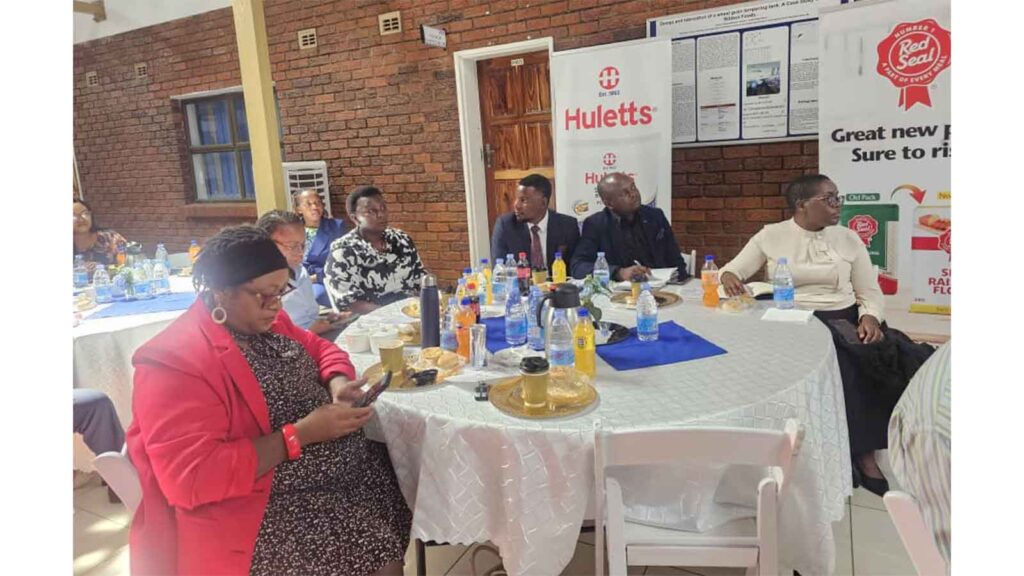
The Permanent Secretary in the Ministry of Industry and Commerce, Dr Utete Ushe, who is the guest of honour, has since arrived to officially open the event.

Captains of industry, representatives of business member organisations such as Buy Zimbabwe, and executives from leading manufacturing firms are already on site as the Zimpapers public lecture series on counterfeits gets underway.
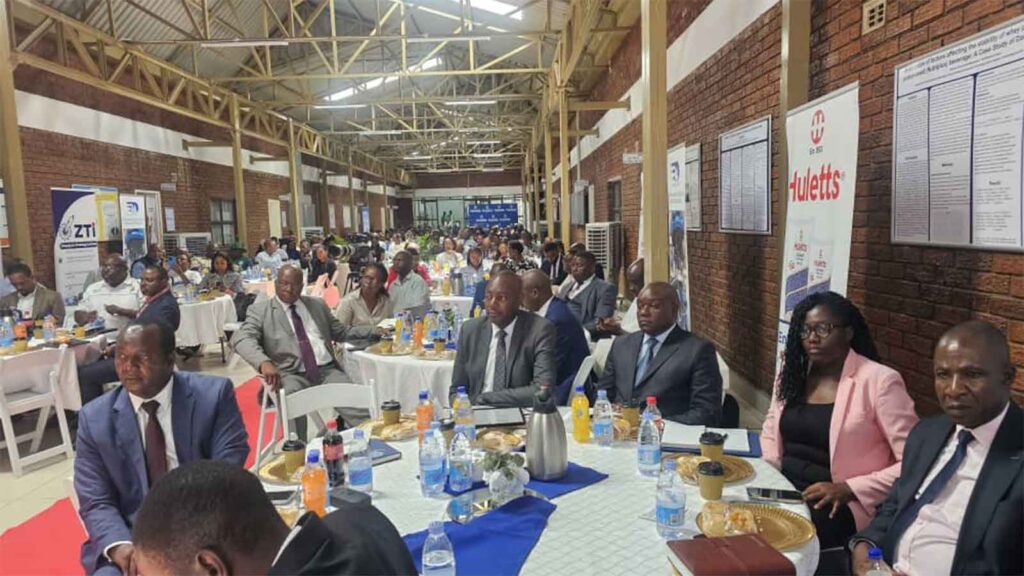
The lecture, organised by the Zimpapers Business Hub in partnership with the Harare Institute of Technology, has drawn strong backing from Zimbabwe’s manufacturing sector, which has coalesced around a common objective of protecting both industry integrity and consumer safety.
‘Mbare a hotspot for counterfeit goods’
Businesses participating in the Zimpapers Public Lecture on Counterfeit Products that is currently underway at HIT have identified Mbare as a major hotspot for the manufacturing and repackaging of fake goods.
Companies, including National Foods, Dairiboard Zimbabwe, and Varichem, have called for urgent action to end the proliferation of counterfeit products.
Other companies that sponsored the event include Eversharp, Seed Co, Varichem Pharmaceuticals, MedTech Holdings, AFDIS, Ganzim, and Huletts Zimbabwe.
The Consumer Protection Commission of Zimbabwe and Bureau Veritas are also among the sponsors.
National Foods revealed that there are counterfeit products for their popular Parlenta mealie meal brand, urging consumers to only buy from registered outlets.
Dairiboard also said some of its dairy products are being produced by counterfeiters locally, while others are entering the market as fake imports.
Varichem warned that counterfeit pharmaceutical products are widespread, thereby posing serious health risks.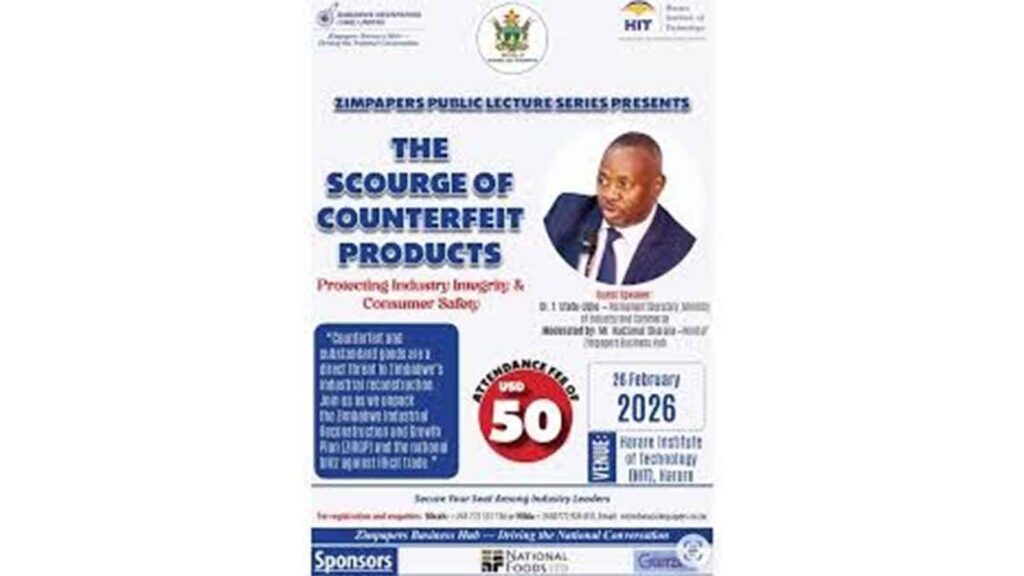
‘Electronic sector most affected by counterfeit products’
The Consumer Protection Commission of Zimbabwe Director of Research and Public Affairs, Mr Kudakwashe Mudereri says the electronic sector is the most affected when it comes to counterfeit products.
He said the fight against counterfeit goods requires joint action between regulators and industry.
Responding to questions during the public lecture, Mr Mudereri said the Commission’s mandate goes beyond protecting consumers.
“As the Commission, we are not only about consumers. We come between consumers and businesses so that we protect them all,” he said, adding that they are also collaborating with major companies to curb the surge in fake products.
“We have been working with industry to identify counterfeit products and conduct raids,” he said.
He, however, highlighted that the electronics sector is one of the worst-affected sectors. There are too many counterfeit goods in that sector. They buy refurbished phones from Dubai and China and sell them as new ones locally,” he said.
He said the food industry is also under threat.
“The food sector is under threat, especially when it comes to sugar. You catch them, they change the name or the package,” he said. “Most of these products are sold in informal markets in Mbare.”
Mr Mudereri said the Commission is pushing for tougher laws.
“We are working with our parent Ministry so that we make the penalties more punitive and deterrent. We also want to have a comprehensive piece of legislation which specifically deals with counterfeits.”
Let’s invest in strengthening industries: Dr Utete Ushe

Permanent Secretary in the Ministry of Industry and Commerce, Dr Thomas Utete Ushe has said Zimbabwe can overcome the growing threat of counterfeit goods by investing in strengthening local industries.
Speaking at the Zimpapers Public Lecture on Counterfeit Products that is currently underway in Harare, Dr Utete Ushe revealed that the global counterfeit market is valued at US$467 billion, warning that fake products undermine legitimate industries, create unfair competition and expose consumers to serious health risks.
He said counterfeit goods weaken compliant businesses and slow down industrial growth, making it critical for Zimbabwe to boost domestic production capacity.
Dr Utete Ushe expressed satisfaction with developments in the construction sector.
“I’m happy with Zimbabwe’s construction industry at the moment. Despite the construction boom, we haven’t had many buildings collapsing or killing people. In other countries, we have heard of such incidents,” said Dr Utete.
He also commended the Harare Institute of Technology (HIT) for developing cutting-edge technology such as ERRP, which is already being used by several local authorities.
“The Ministry of Industry and Commerce’s direction is to provide a platform that mobilises local investment so that we start producing original and safe products,” he said.
“We should use all the money that we are holding on to, placed under the pillow, so that we build our industries and stop relying on others. That way, we can avoid counterfeit products.”
You can do more to protect your products, business told
Businesses have been urged to take a more proactive role in safeguarding their brands and products from counterfeiters, with Advocate Moses Nkomo calling for both stronger Government coordination and greater private sector responsibility.
Speaking during a panel discussion at the Zimpapers Public Lecture on Counterfeit Products, Advocate Nkomo said Zimbabwe needs a coordinated and structured approach to intellectual property (IP) protection.
“The first thing is to have a coordinated approach,” he said, noting that while efforts to combat counterfeit products have now been codified, intellectual property matters remain scattered across various ministries and departments.
He argued that this fragmented system weakens enforcement and policy consistency.
“Government, like South Korea, can even create a whole Ministry to deal with these issues,” Advocate Nkomo said.
However, he emphasised that the burden does not rest solely on the State.
Rights holders, he said, must do more to protect their products.
“Most companies need an IP specialist to help them navigate issues,” he said.
He encouraged businesses to invest in expertise that ensures proper registration, monitoring and enforcement of trademarks and patents.


