Sikhulekelani Moyo [email protected]
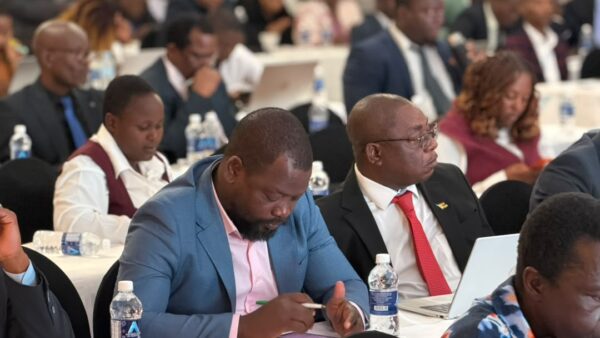
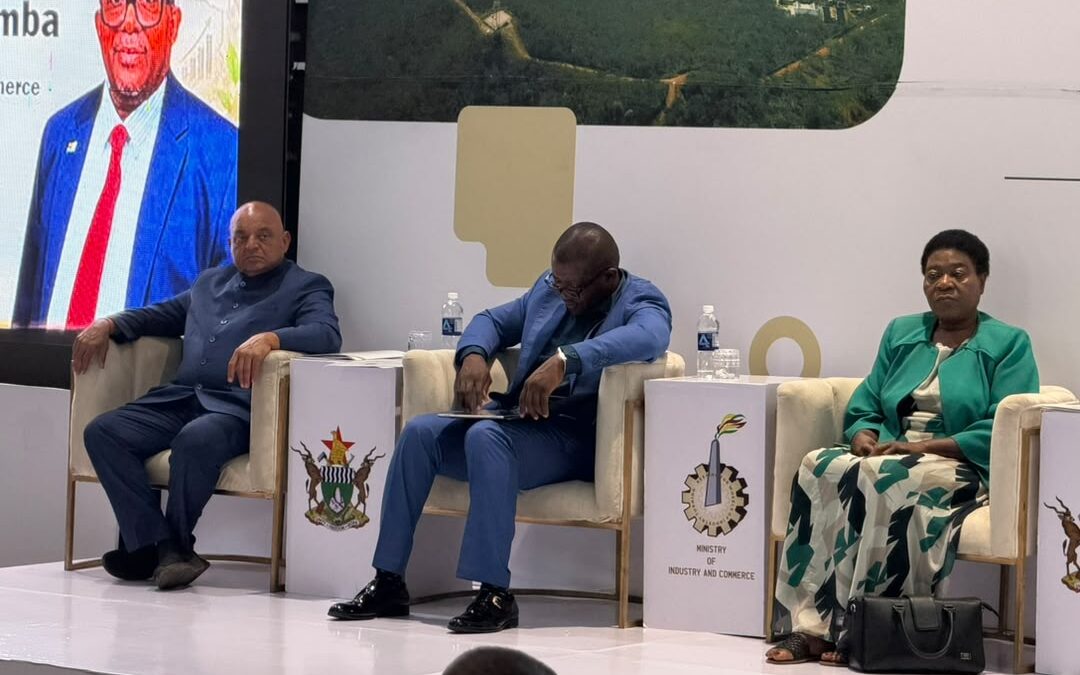
MINISTRY of Industry and Commerce Permanent Secretary Ambassador Tadeous Chifamba has called for teamwork, evidence-based planning and a whole-of-government approach to industrial transformation as the ministry holds its 2027 Strategic Planning and Review Workshop in Bulawayo.
Officially opening the workshop on Friday, Amb Chifamba said the gathering provided an opportunity to assess performance, reflect on progress and set priorities for the coming year.
“I wish to thank you for making time to participate in this important exercise which provides us with an opportunity to reflect on our performance, assess progress, the progress that we have made, and collectively determine the priorities and actions that will guide our Ministry’s work in 2027,” he said.
“Our collective responsibility is to ensure that the Ministry makes a meaningful contribution to the attainment of Vision 2030. This requires us to move beyond the business-as-usual approach.”
Amb Chifamba said his work philosophy was anchored on teamwork, mutual respect, consultation and the recognition that everyone had something valuable to contribute.
He said no individual or department had a monopoly on knowledge or solutions, urging officials to share ideas, draw on expertise and make evidence-based decisions.
“We must therefore create an environment in which ideas are shared, expertise is harnessed, and decisions are informed by evidence and collective action. In this regard, I wish to emphasise the need to move away from working in silos and strengthen collaboration within the ministry, across departments, and with our institutions and external stakeholders,” said Amb Chifamba.
“The challenges confronting industry and commerce are interconnected and cannot be addressed effectively through isolated interventions.”
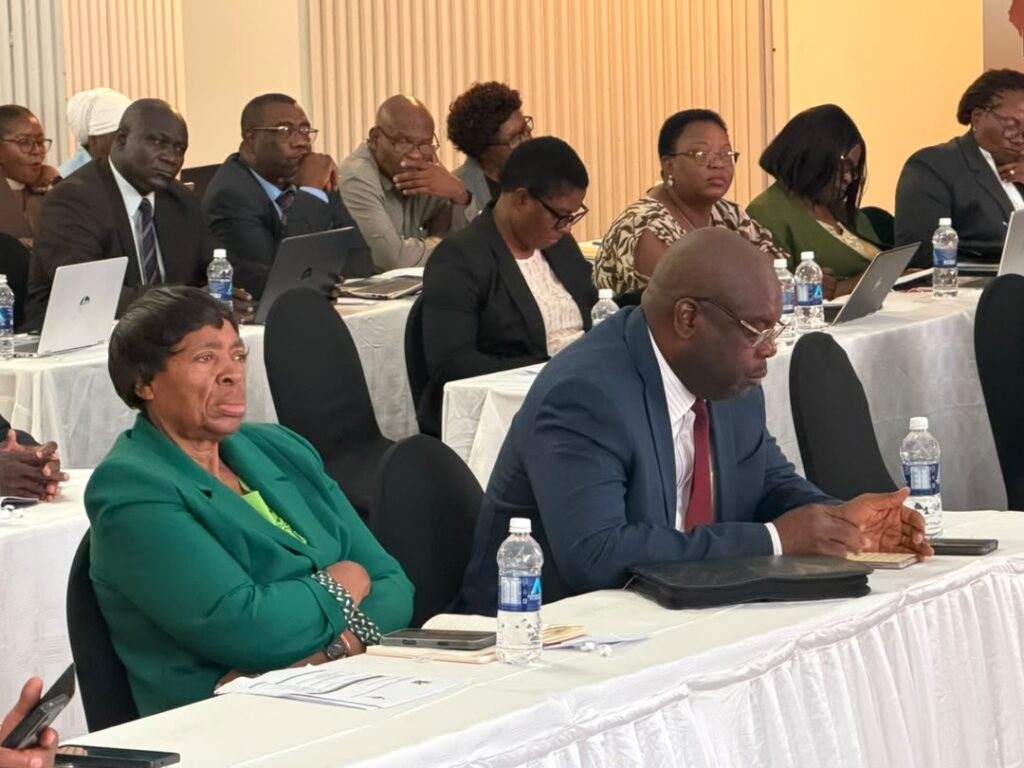
He urged ministry officials to become ambassadors of industry and commerce by understanding the operating environment of businesses, identifying their challenges and championing solutions that promote industrial growth, investment, competitiveness and economic transformation.
“We must understand the operating environment of business, appreciate the challenges they face, and actively champion solutions that promote industrial growth, investment, competitiveness, and economic transformation. This requires us to engage meaningfully with industry, listen to stakeholders, and ensure that their concerns inform our policies, programs, and interventions,” he said.
Amb Chifamba said stakeholder feedback had highlighted several challenges affecting the business environment, including regulatory efficiency, compliance costs, licensing procedures and the need to accelerate ease-of-doing-business reforms.
He said the ministry could not treat these challenges as someone else’s responsibility, even where they fell outside its direct mandate, because of their implications for industrial development and competitiveness.
He called for a whole-of-government approach based on shared accountability and collective action towards common national development objectives.
“We must proactively engage and work with the relevant MDAs to identify practical solutions, strengthen coordination, and follow through on agreed actions,” he said.
The permanent secretary also called for better preparation for conferences and negotiations, saying officials representing the ministry and Government should be appropriately selected, thoroughly briefed and guided by national interests.
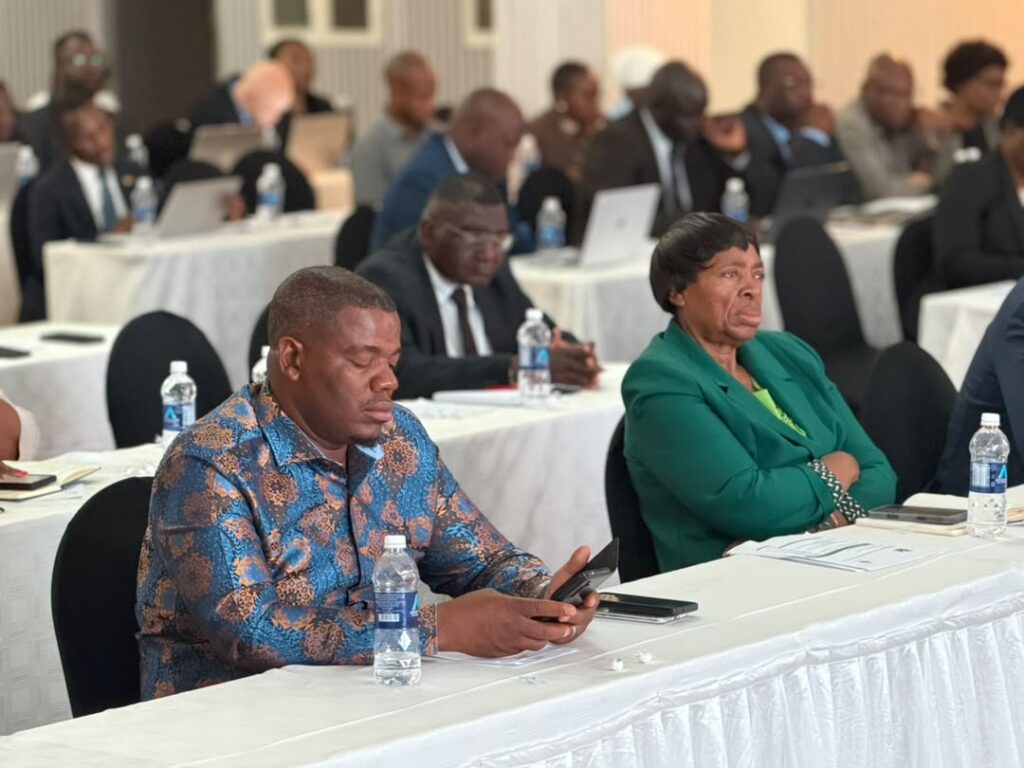
“Representation must be at the appropriate level. The officials attending such engagements must be properly briefed on the ministry’s and Government positions. Consultations should take place well in advance to ensure that the positions advanced and commitments made are consistent with our national interests and the broader government agenda,” he said.
He emphasised that strategic planning should be an ongoing management tool rather than a document prepared and shelved after a workshop.
“It must remain a practical management tool that guides our decisions, informs the allocation of resources, strengthens accountability, and drives measurable results,” he said.
Amb Chifamba said the workshop had two key objectives: reviewing implementation of the ministry’s 2026-2030 strategic plan, with particular focus on performance and lessons from 2026, and translating those lessons into clear, realistic and measurable priorities for 2027.
He urged delegates to objectively assess achievements while being frank about implementation gaps and the factors that may have constrained delivery.
The permanent secretary challenged officials to demonstrate how the ministry intended to advance industrialisation, economic empowerment, spatial development initiatives and rural industrialisation, while maximising opportunities under the African Continental Free Trade Area (AfCFTA).
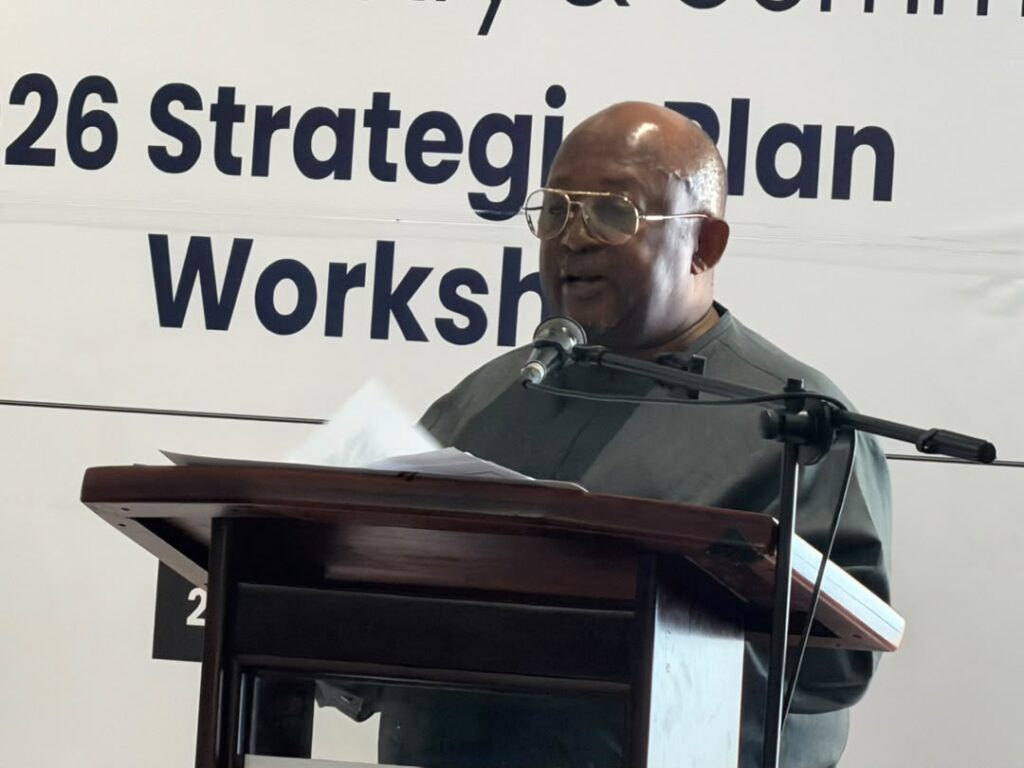
“What is our level of ambition under the African Continental Free Trade Area? Beyond participating in the agreement, what concrete measures are we pursuing to increase the competitiveness of Zimbabwean products, expand market access, strengthen regional value chains, and grow exports?” he asked.
He said the strategic plan must remain aligned with National Development Strategy 2 and Vision 2030, adding that the workshop’s success would ultimately be measured by implementation.
“The success of this workshop will not be measured by the quality of discussions alone, but by the clarity of the decisions we make and the extension to which we implement them. By the end of our deliberations, we should have a shared understanding of our 2026 performance, a prioritized and actionable program for 2027, measurable targets, clear responsibilities, realistic implementation timelines, and effective framework for monitoring progress,” he said.
In her welcoming remarks, Bulawayo Provincial Affairs and Devolution Minister Judith Ncube said the city was an appropriate venue for the strategic planning engagement because of its historical role as Zimbabwe’s industrial hub.
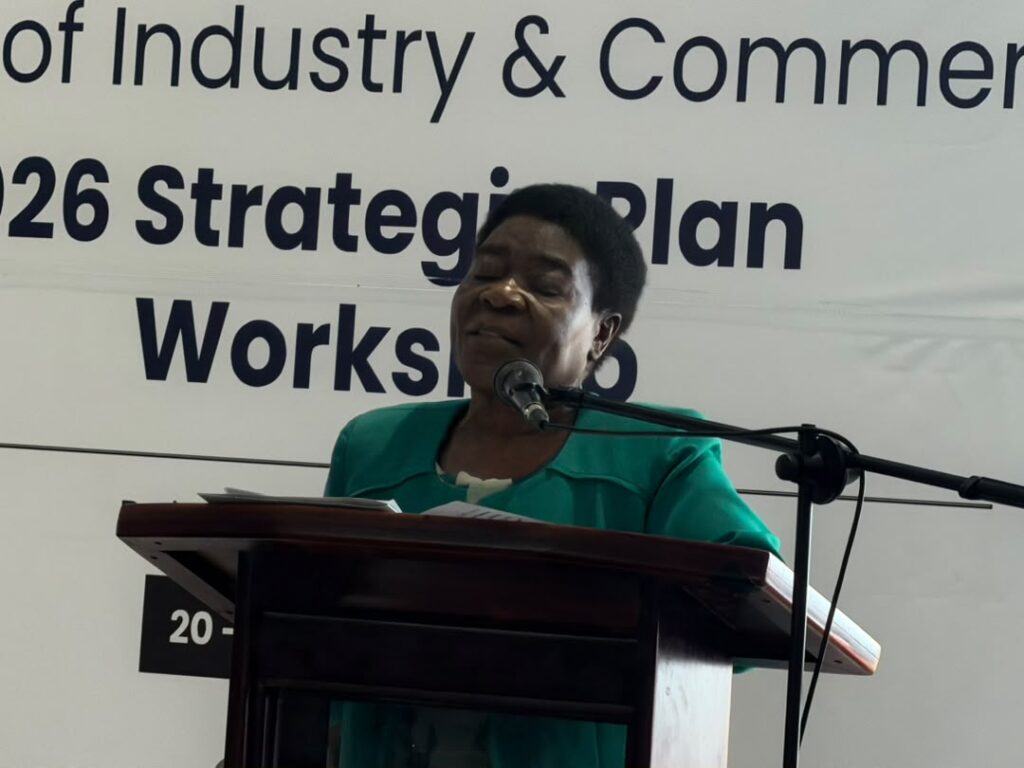
“We are deeply gratified that the Ministry has chosen Bulawayo as the hosting destination for this pivotal strategic planning engagement. Hosting this event in the historic industrial hub of Zimbabwe carries immense symbolic and practical significance as we collectively map out our industrial and commercial roadmap for 2027,” she said.
Minister Ncube said the country’s economic planning remained focused on achieving an empowered and prosperous upper-middle-income society by 2030.
She said the roadmap developed at the workshop should benefit all 10 provinces, with industrial policies reflecting the economic potential and comparative advantages of different regions.
“While this workshop takes place in Bulawayo, the strategic roadmap developed here must serve all 10 provinces of Zimbabwe. From our agricultural processing clusters to our mining, engineering, textile and commercial gateways, our industrial policies must be national in scope, competitive in execution and localised in impact,” she said.
She added that the strategy should complement the devolution and decentralisation agenda by unlocking the economic potential of each province.
“When local industries in our provinces thrive, the national economy prospers,” she said.