
Sikhulekelani Moyo [email protected]
INDUSTRY and Commerce Minister Mangaliso Nqobizitha Ndhlovu says the ministry’s 2027 planning must move beyond activities to practical actions that boost production, improve competitiveness, expand trade and create economic opportunities.
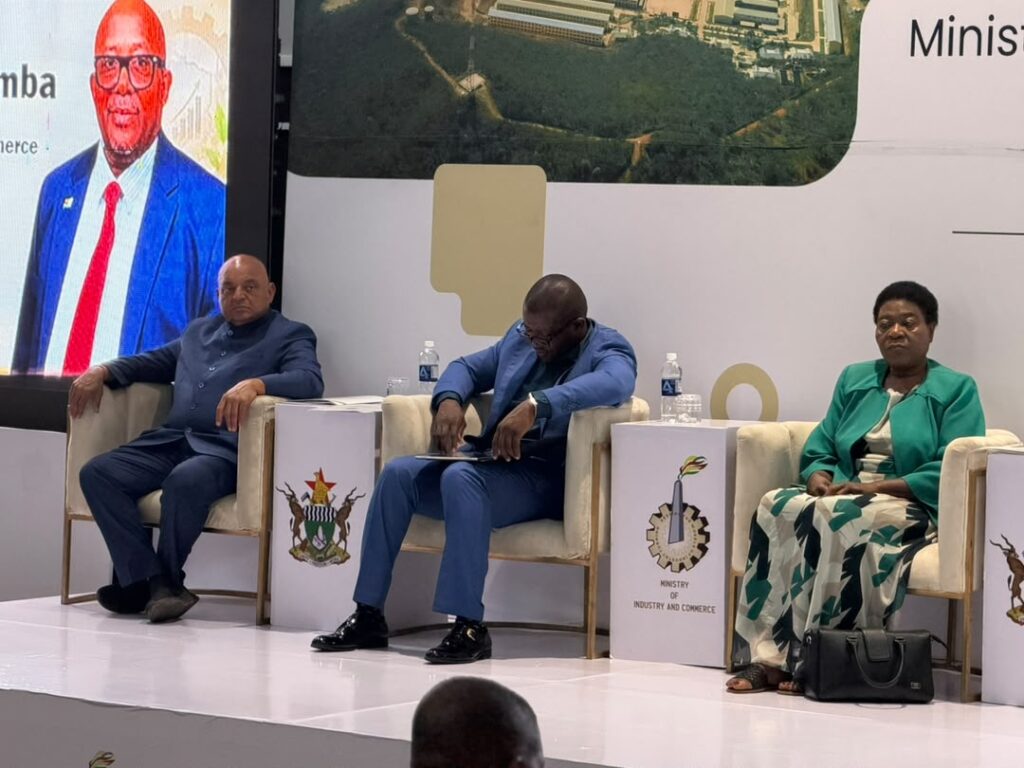
Speaking during the official opening of the ministry’s 2027 Strategic Review and Planning Workshop in Bulawayo on Friday, Minister Ndhlovu said the event provided an opportunity to review priorities and ensure that the strategic plan, annual work plans, budgets and performance contracts were aligned with the results Government expects from the ministry.
He said the ministry’s task was not simply to plan activities, but to agree on practical interventions that would strengthen production, improve competitiveness, expand trade and create opportunities for the people.

“Our work is anchored in Vision 2030 and the National Development Strategy 2, which places emphasis on inclusive and sustainable economic growth and structural transformation,” he said.
“The ministry has a central role in this national agenda. A stronger economy requires a productive manufacturing sector, a dynamic and well-regulated commercial environment, competitive local enterprises and markets in which businesses and consumers have confidence.”
Minister Ndhlovu said the planning cycle began against a backdrop of encouraging economic indicators, with Zimbabwe’s economy growing by 8,3 percent in 2025, while manufacturing capacity utilisation reached 61,2 percent in the first half of 2026, up from 57,3 percent in 2025.

He said manufactured exports stood at approximately US$593 million by August 2026, while the commercial sector continued to evolve, contributing about 10,8 percent of gross domestic product in the second quarter of 2026.
He added that new shopping and service facilities were emerging in provincial towns and along major transport corridors, alongside growth in digital trade.
“These developments are encouraging, but they must not lead to complacency. Our industries continue to face constraints relating to energy, financing, technology, logistics and production costs. We must also ensure that local products become more competitive and secure a stronger foothold in regional and international markets,” said Minister Ndhlovu.
“The priority now is to consolidate growth and translate it into sustained production, increased exports, productive jobs and broader participation in the economy.”

Minister Ndhlovu said the ministry had developed policy frameworks aligned with national priorities. These include the Zimbabwe National Industrial Development Policy 2 (2026–2030), the Local Content Strategy (2026–2035), the Consumer Protection Policy (2026–2030) and the Zimbabwe National Quality Policy (2026–2030).
“These policies have been approved by Cabinet, and are awaiting their launch this quarter. Our focus must now be on ensuring that their implementation is practical, coordinated and measurable,” he said.
He said the Zimbabwe National Industrial Development Policy 2 provided a framework for accelerating industrial growth, modernising production, strengthening value addition and improving competitiveness.
Its targets include annual manufacturing growth of 2,6 percent, a US$12 billion contribution to GDP and capacity utilisation of 60 percent by 2030.
Minister Ndhlovu said the Local Content Strategy was equally important in strengthening the capacity of Zimbabwean businesses to supply goods and services competitively, linking local producers to major value chains and retaining more value within the economy.
He called for collaboration with industry and State-owned enterprises to identify realistic local procurement opportunities, address barriers facing capable suppliers and help local firms meet the required standards, quality requirements and production volumes.
He said the Consumer Protection Policy and Zimbabwe National Quality Policy would help promote a fair and trusted marketplace by protecting consumers from unsafe products and unfair practices while ensuring compliant businesses competed on a level playing field.
“These policies must not operate as separate documents or isolated departmental responsibilities. Their impact will depend on how well we connect them through our work. Industrial development, local content, export development, standards, consumer protection, competition and commerce are interdependent,” he said.
“We must therefore plan and implement our work as one ministry, with a shared understanding of the outcomes we are expected to deliver.”
Minister Ndhlovu said the ministry must move beyond identifying constraints and focus on evidence-based responses.
Where regulatory bottlenecks delayed investment, he said, the ministry should work with the responsible institutions to resolve them. Where local suppliers struggled to meet standards, officials should identify the support required to help them comply.
He added that the ministry should improve market information and linkages for businesses struggling to access supply-chain opportunities, while strengthening coordinated enforcement against smuggling without hindering legitimate trade.
“Every intervention must have a clear purpose, a responsible lead and a way of measuring its impact,” he said.
The minister also called for disciplined performance management, saying each department and State-owned enterprise should have a work plan with clear deliverables, measurable indicators, realistic timelines and a clear understanding of the resources required.
He said performance contracts must reflect these commitments, with accountability focused on tangible results rather than administrative compliance.
“Accountability must be meaningful, not merely procedural. We need to know what has been achieved, what is delayed, why it is delayed and what corrective action is being taken. Where an approach is working, we must share it across the ministry. Where results are falling short, we must respond honestly and promptly,” said Minister Ndhlovu.