Chronicle Editor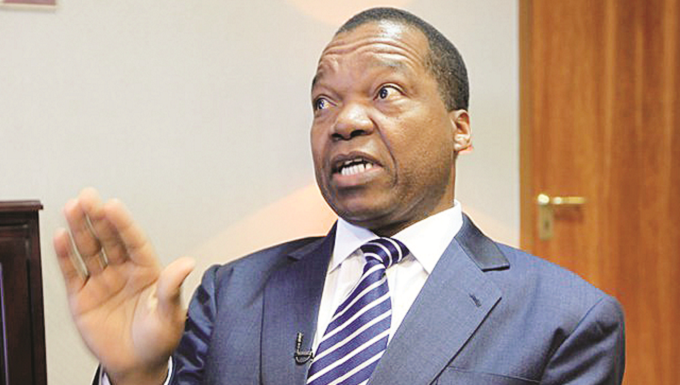
Oliver Kazunga, Senior Business Reporter
THE country’s year-on-year inflation surged by 10,16 percentage points to 31,01 percent last month as the spiralling price increases continue driven by speculative parallel market rates and persistent foreign currency shortages.
In October, Zimbabwe’s rate of inflation reached its record high since February 2009 when the country adopted a multicurrency system to reach 20,85 percent.
The country adopted a multicurrency regime to harness hyperinflation that had reached unprecedented levels between 2007 and 2008.
In its monthly report for November, the Zimbabwe National Statistics Agency (ZimStat) said the year on year inflation rate (annual percentage change) for the month of November 2018 as measured by the all items Consumer Price Index (CPI) stood at 31,01 percent, gaining 10,16 percentage points on the October 2018 rate of 20,85 percent.
This means that prices as measured by all the items CPI increased by an average of 31,01 percent between November 2017 and November 2018.”
During the period under review, year-on-year food and non alcoholic beverages inflation prone to transitory shocks stood at 42,71 percent while the non-food inflation rate was 25,40 percent.
The Consumer Council of Zimbabwe said the rise in prices has dampened spending in recent months with the cost of living rising by 4,6 percent to $697,76 for a food basket for a family of six in November compared to $666,93 in October.
ZimStat also reported that the month-on-month inflation rate in November 2018 was 9,20 percent shedding 7,24 percentage points on the October 2018 rate of 16,44 percent.
“This means that prices as measured by the all items CPI increased by an average rate of 9,20 percent from October 2018 to November 2018,” said the agency.
The month on month food and non-alcoholic beverages inflation rate stood at 14,53 percent last month, shedding 5,59 percentage points on the October 2018 rate of 20,12 percent.
The month on month non-food inflation rate stood at 6,50 percent, shedding 8,16 percentage points on the October 2018 rate of 14,66 percent.
Market watchers have said Zimbabwe’s rate of inflation is being triggered by parallel market forces and urged the Government to take measures to control inflation.
In October, the Government launched the Transitional Stabilisation Programme in a bid to set the economy on a recovery path after years of stagnation.
The economic stabilisation programme runs between now and December 2020.
Last week the African Export-Import Bank (Afreximbank) made available a US$1,5 billion to mitigate against the perceived risk associated with investing in Zimbabwe.
The facility, known as the Zimbabwe Open Facility, was signed on Friday by Reserve Bank of Zimbabwe Governor Dr John Mangudya and Afreximbank president Professor Benedict Okay Oramah on the sidelines of the Intra African Trade Fair in Egypt.
The facility is made up of US$500 million nostro stabilisation facility and a US$1 billion investment guarantee.
— @okazunga


 derick.khumalo