Chronicle Editor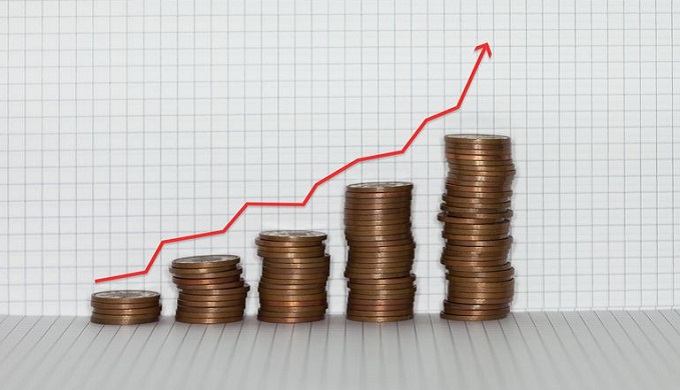
Oliver Kazunga, Senior Business Reporter
ZIMBABWE’S year-on-year inflation jumped to 20,85 percent last month from 5,39 percent in September on the back of spiralling price increases that were driven by speculative parallel market rates and persistent foreign currency shortages.
The figure is a record high since February 2009 when the country adopted a multicurrency system to tame hyper-inflationary pressures, which had reached unprecedented levels between 2007-2008.
Official statistics from the Zimbabwe National Statistics Agency (Zimstat) released yesterday also show that the month-on-month inflation in October gained 15,52 percentage points to 16,44 percent on the September rate of 0,92 percent.
“This means that prices as measured by the all-items Consumer Price Index (CPI) increased by an average of 20,85 percent between October 2017 and October 2018.
“The month-on month inflation rate in October 2018 was 16,44 percent gaining 15,52 percentage points on the September 2018 rate of 0,92 percent,” said the agency.
The rise in prices has choked spending, with the Consumer Council of Zimbabwe also reporting a 10,3 percent increase in the cost of living for October, which stood at $666,93 due to the prevailing macro-economic situation.
Zimstat also pointed out that month-on-month food and non-alcoholic beverages inflation rate stood at 20,12 percent in October 2018, gaining 19,07 percentage points on the September 2018 rate of 1,05 percent.
The month on month non-food inflation rate stood at 14,66 percent, gaining 13,81 percentage points on the September 2018 rate of 0,85 percent.
The CPI for the month ending October 2018 stood at 118.73 compared to 101.97 in September 2018 and 98.24 in October 2017.
Market analysts have stressed that the country’s rate of inflation was being triggered by parallel market forces and called on the Government to take austerity measures to tame the rate at which inflation was rising.
Early last month, the Government launched a Transitional Stabilisation Programme in a bid to set the economy on a recovery path after years of stagnation.
The economic stabilisation programme, which runs between now and December 2020, acknowledges policy reform initiatives of the new dispensation to stimulate domestic production, exports, rebuilding and transforming the economy to an upper middle income status by 2030.
The reform initiatives have been outlined in various policy pronouncements by President Emmerson Mnangagwa, from his inaugural address on November 24, 2017, as well as the 2018 National Budget Statement. — @okazunga



 Online Reporter